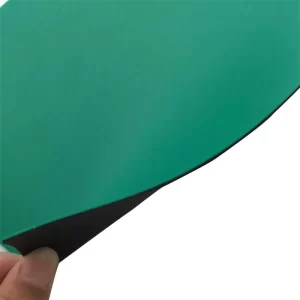
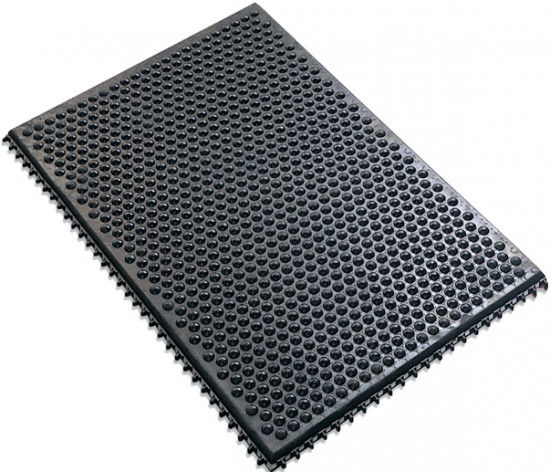
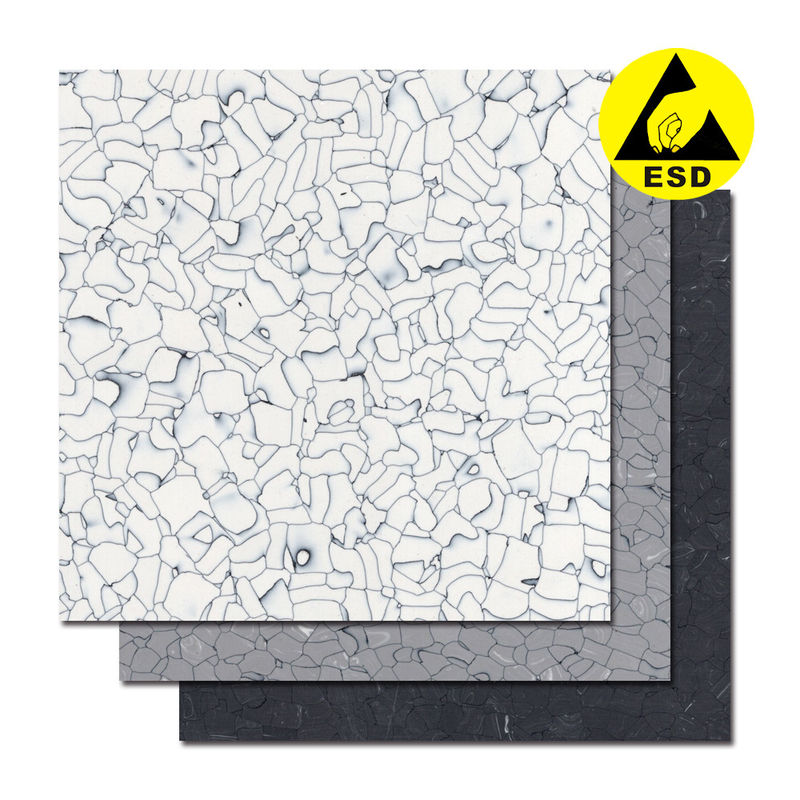
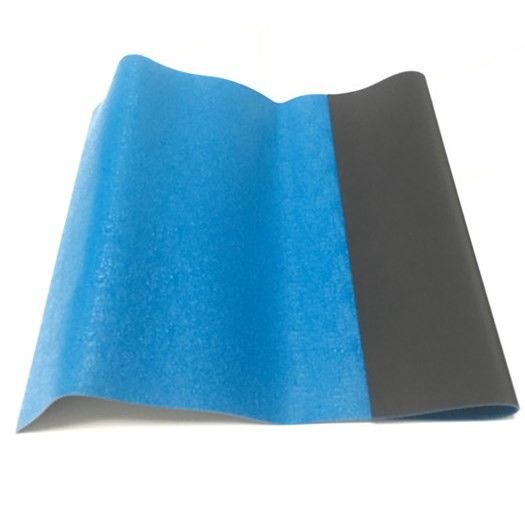
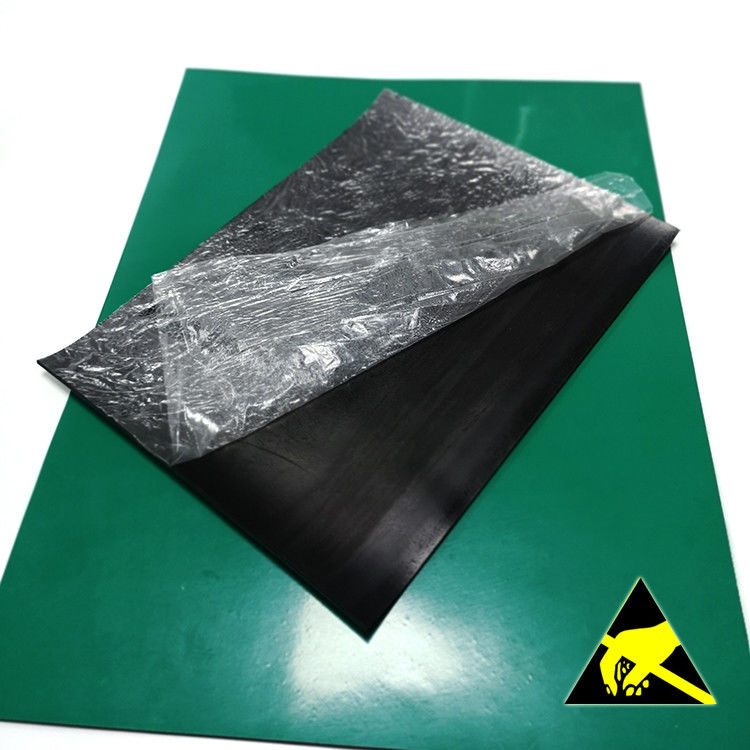
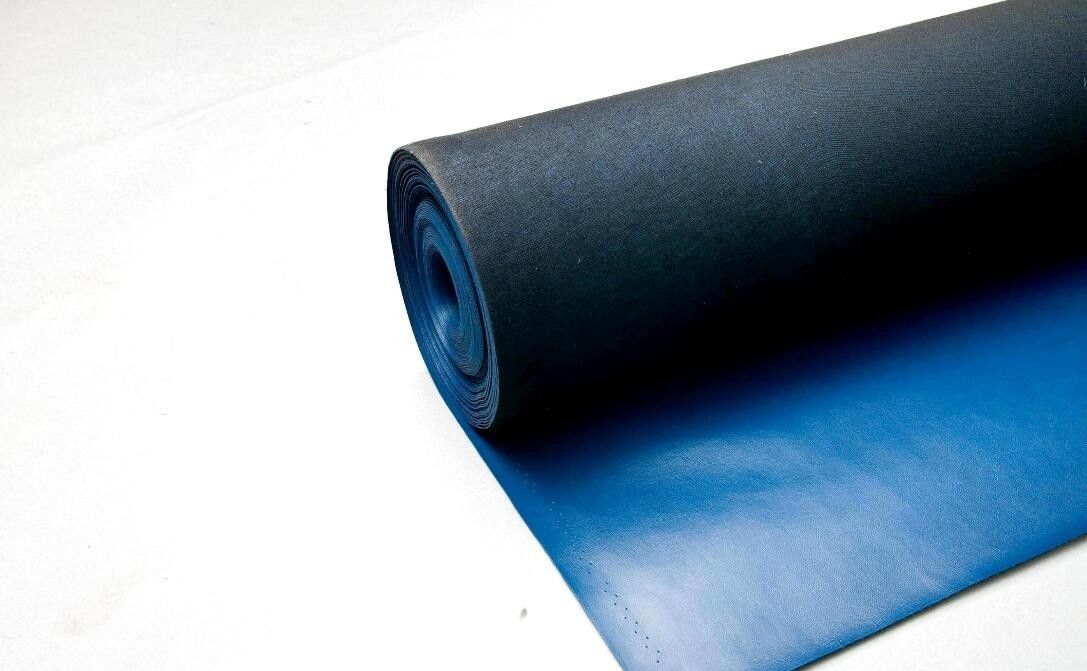
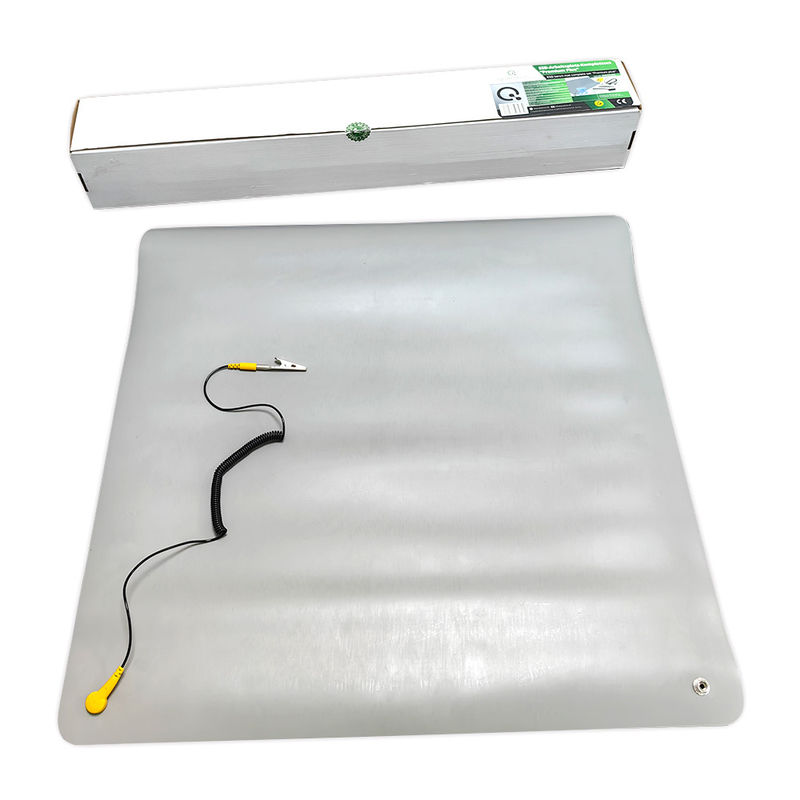
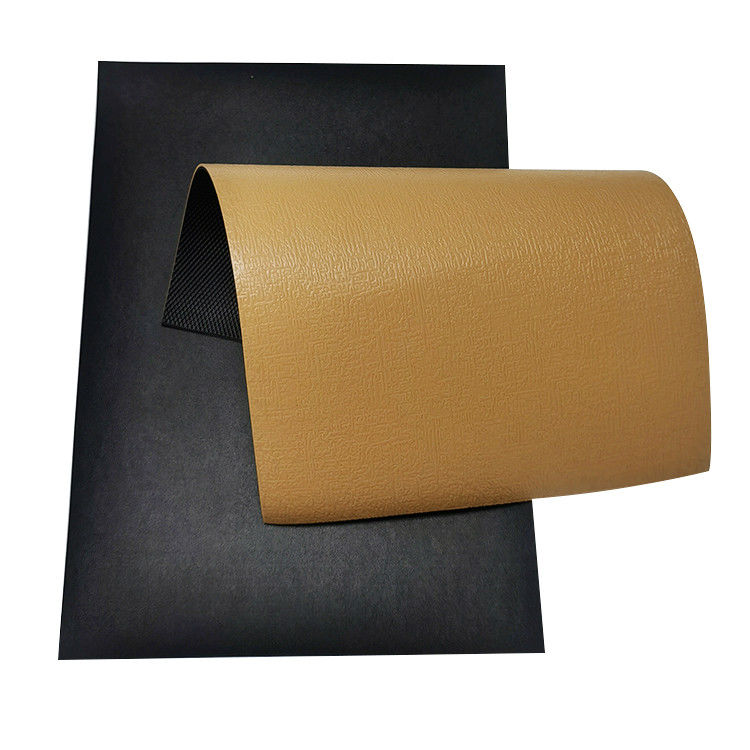
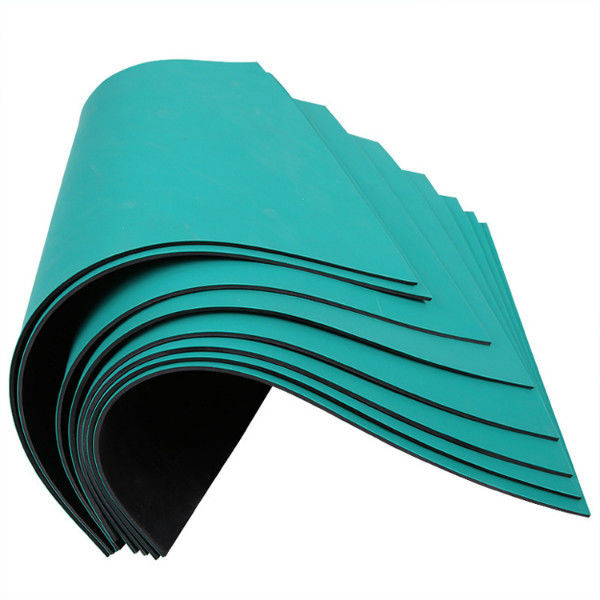
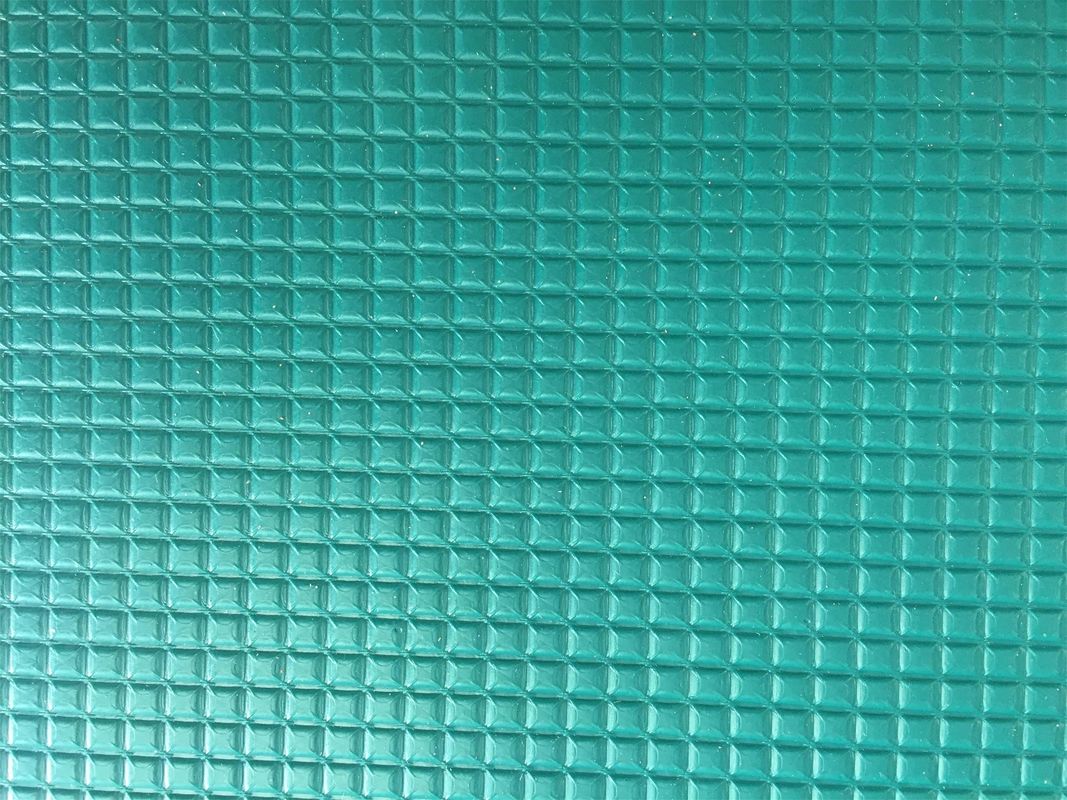
ESD rubber mats turn a bench into a grounded worksurface. A two- or three-layer dissipative rubber mat, bonded to earth through a 1 MΩ ground cord, gives every component and tool placed on it a controlled path to ground. Phil Industries stocks ESD matting and grounding kits ex-stock in Singapore.
Mat types
| Type | Construction | Best for |
|---|---|---|
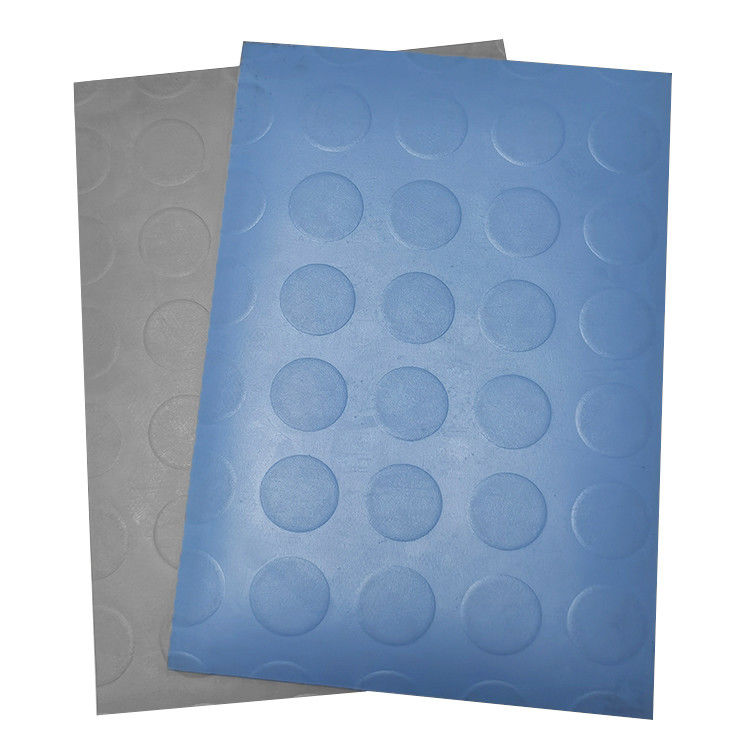
| Bench mat | 2–3 layer dissipative rubber | Worksurfaces, assembly & rework benches |
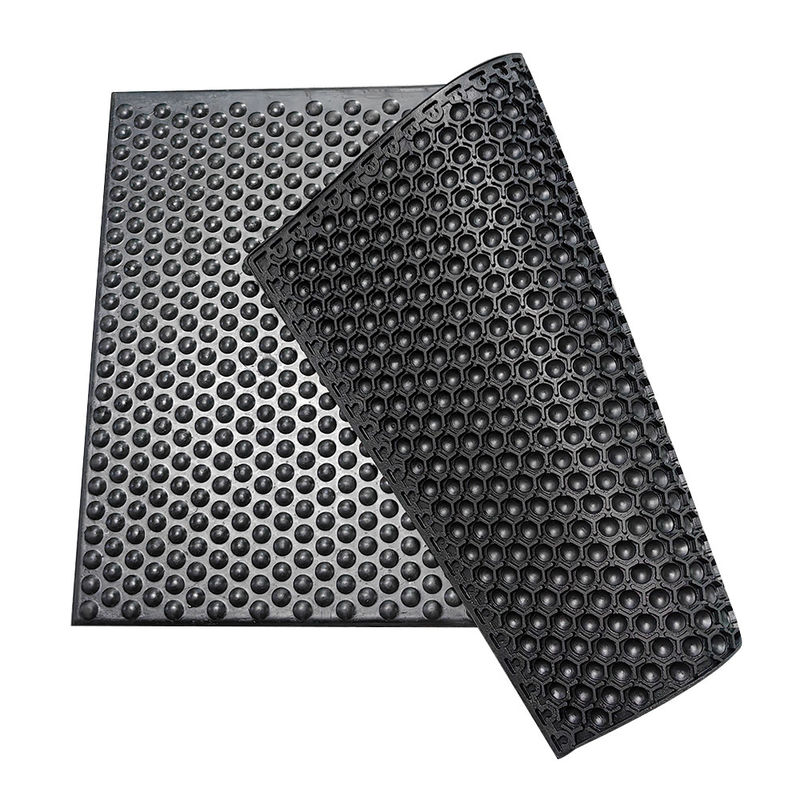
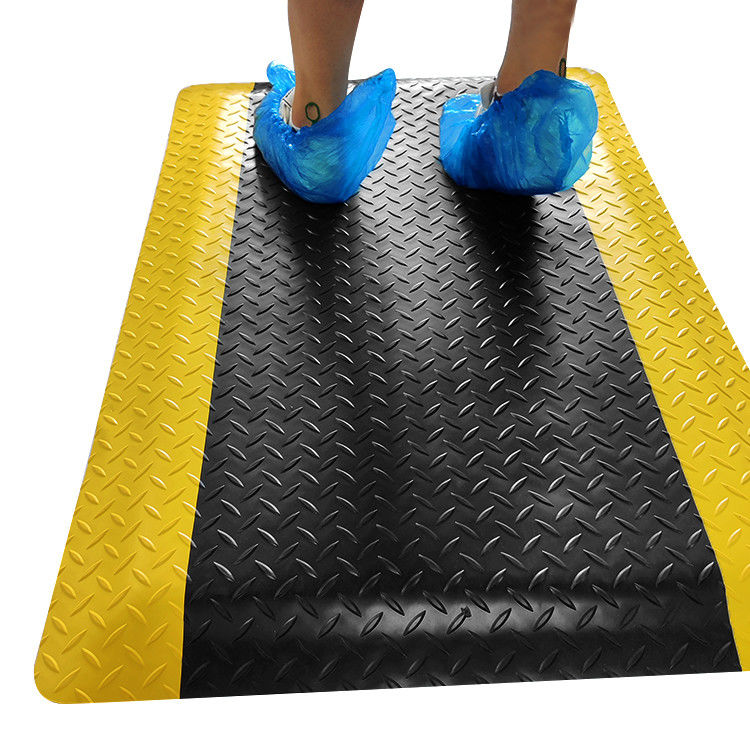
| Floor mat / runner | Conductive or dissipative rubber | Standing operators, walkways in the EPA |
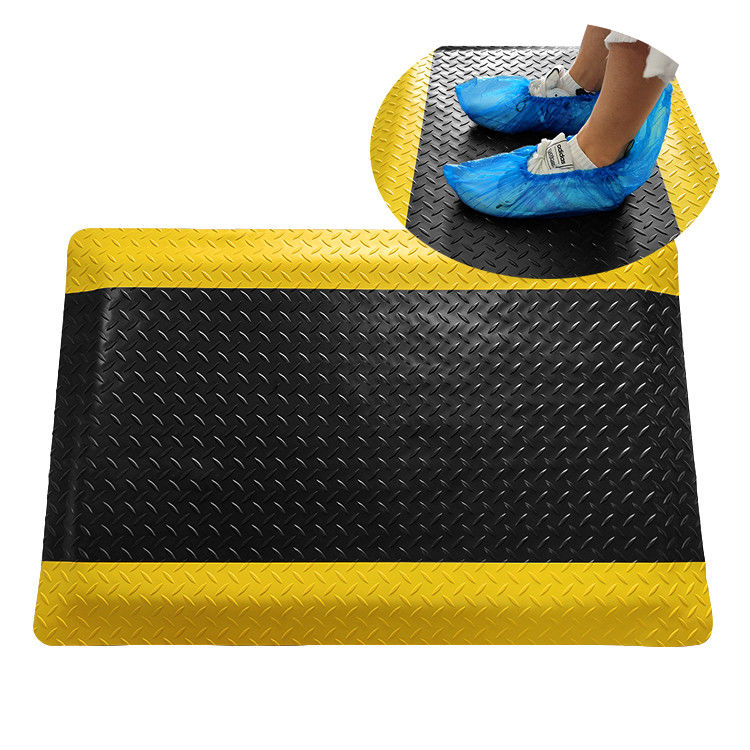
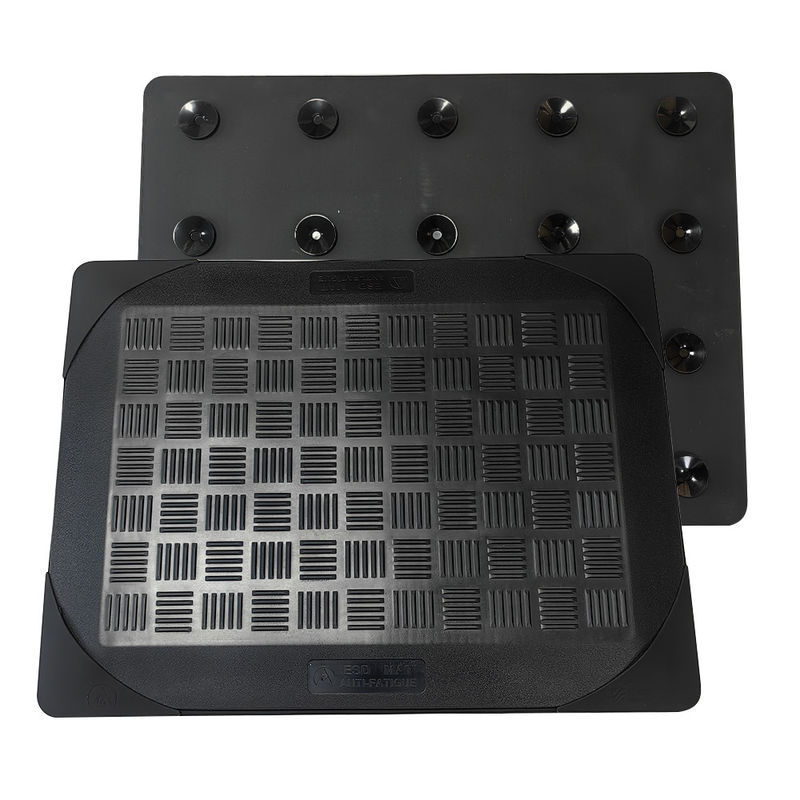
| Anti-fatigue ESD | Cushioned dissipative | Long standing shifts |
| Grounding kit | Cord + snap + common point | Required to bond any mat to earth |
Getting matting right
A mat that isn’t grounded is just rubber — it must be bonded to a common point ground with a 1 MΩ cord.
Dissipative top layer — controlled bleed-off; a hard conductive top can discharge too fast.
Heat resistance — soldering benches need a mat rated for hot iron contact.
Clean it properly — ordinary detergents leave insulative residue; use ESD mat cleaner.
Test periodically — surface resistance drifts with wear and contamination (ANSI/ESD S4.1).
Frequently asked questions
Does an ESD mat need to be grounded?
Yes. Without a ground cord to a common point ground, the mat cannot drain charge and provides no ESD protection.
Why 1 megohm in the ground cord?
It limits current for operator safety while still allowing static to bleed away — the same principle as a wrist strap cord.
Can I clean it with normal detergent?
Avoid it — household cleaners leave an insulative film that raises surface resistance. Use a proper ESD mat cleaner.
Which standard covers worksurfaces?
ANSI/ESD S4.1 covers worksurface resistance within an S20.20 programme.
See also Grounding & Earthing Accessories, Wrist Straps and ESD Workbenches. Call +65 6555 1745 for sizes and cut-to-length.
Is rubber ESD safe?
Not by default. Ordinary rubber insulates, so it holds charge instead of draining it. ESD rubber mats differ because manufacturers compound them with conductive layers, which brings the surface into the dissipative range. Therefore always choose matting sold and rated as ESD, and ground it through a mat cord rather than assuming any rubber sheet protects your components.
Is an ESD mat the same as an anti-static mat?
Yes. “ESD mat,” “anti-static mat” and “static dissipative mat” all describe matting that drains static charge to ground instead of letting it build up. The real distinction is where it sits: a bench or table mat protects the work surface where components are handled, while ESD floor matting protects the operator standing at the station. Both need a ground cord to work — a mat on its own is not grounded. We supply anti-static mat sizes and rolls in Singapore, plus the mat earthing kits that complete the connection.
ESD matting specifications at a glance
| Property | Typical range |
|---|---|
| Surface resistance — dissipative | 1 × 10⁴ to 1 × 10¹¹ Ω |
| Surface resistance — conductive | Below 1 × 10⁴ Ω |
| Bench mat construction | Two or three layer rubber, dissipative top over conductive core |
| Bench mat sizes stocked | 600 × 450 mm, 600 × 600 mm and 600 × 900 mm |
| Formats | Bench and table mats, floor mats and runners, anti-fatigue matting |
| Grounding | Ground cord and snap to a common point ground — required for the mat to work |
| Standards context | IEC 61340-5-1 and ANSI/ESD S20.20 EPA requirements |
| Availability | Local stock in Ubi, Singapore — same-day quotation |
New to matting? Read our ESD mat guide for bench vs floor vs anti-fatigue selection, layout and testing.
Watch: green vs blue ESD mats – which one for your bench?
Controlling contamination at the door as well as the bench? Add our cleanroom sticky mats — peel-off tacky films that capture footwear and trolley particles before they reach your ESD matting.
How should you clean ESD matting without breaking the ground path?
Clean an ESD rubber mat with an ESD-safe cleaner only, because ordinary detergents and polishes leave an insulative film on the exact surface you rely on. Vacuuming deserves the same care: a domestic vacuum is itself a static generator, since particles moving through an insulative hose build charge at the bench. Therefore an ESD-safe vacuum with a dissipative housing and a grounded hose belongs in the EPA instead. See our ESD and electronics vacuums, or read what makes a vacuum ESD safe.
Anti static mat or ESD mat — the same product
In Singapore this product is searched for as an anti static mat as often as an ESD mat, and both mean the same thing: a rubber working surface that carries electrostatic discharge safely to earth instead of letting it pass through a component. A mat only works when it is bonded to earth, so it is always used with a grounding cord and a common point ground.
Sizes we hold
- 600 x 450 mm — single-operator bench position
- 600 x 600 mm — square bench mat
- 600 x 900 mm — full workstation depth
Two-layer construction is standard: a dissipative top layer that controls discharge rate, over a conductive lower layer that carries charge to the earthing point. Surface resistance sits in the dissipative band of 1 x 10⁶ to 1 x 10⁹ ohms, which is what IEC 61340-5-1 and ANSI/ESD S20.20 expect of a working surface. Ask us for the matching grounding cord when you order a mat — the mat alone is not a control measure.