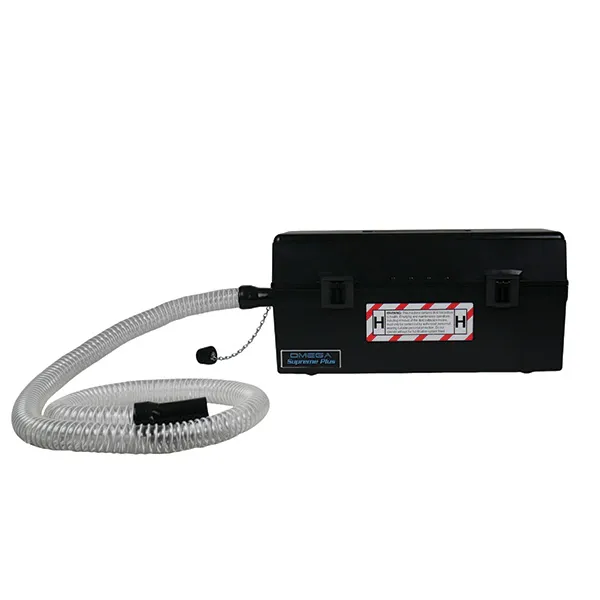
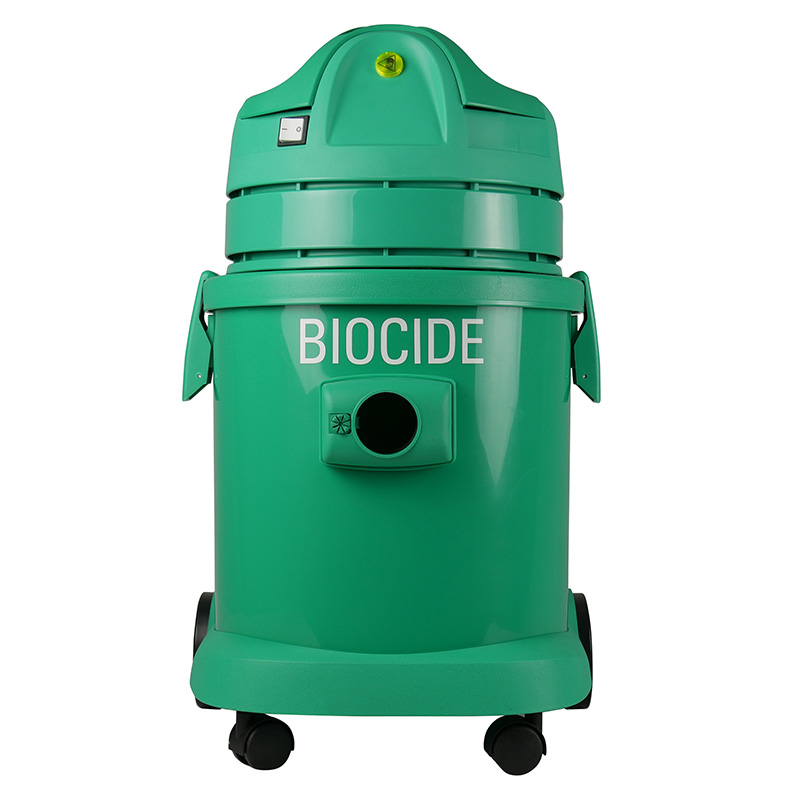
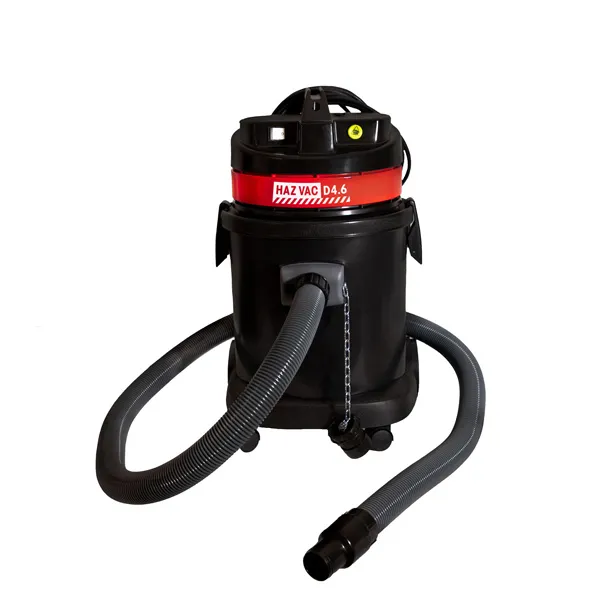
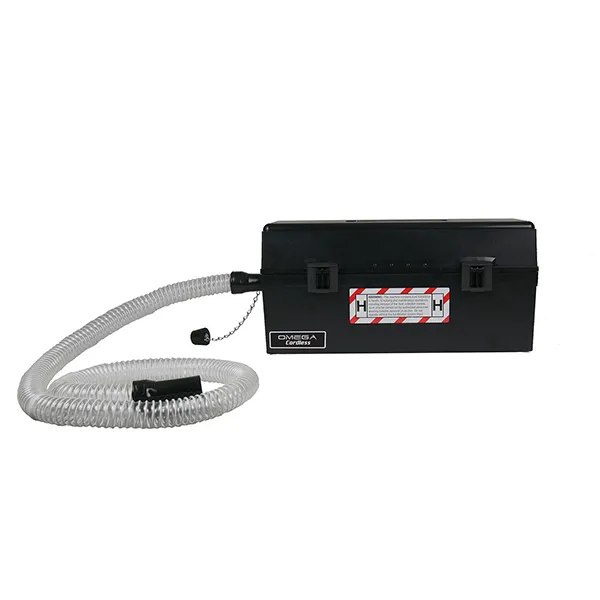
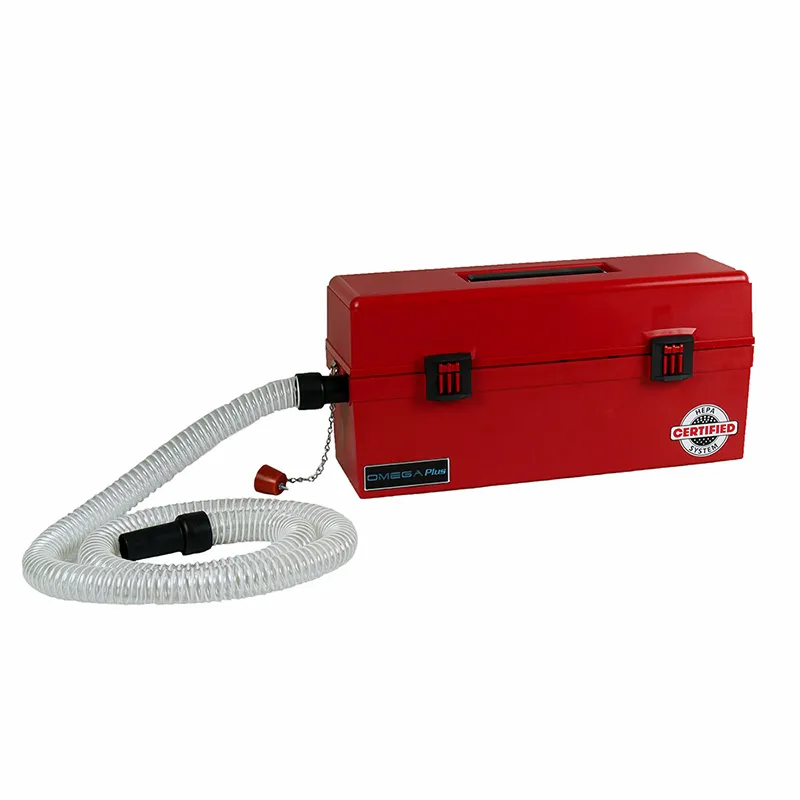
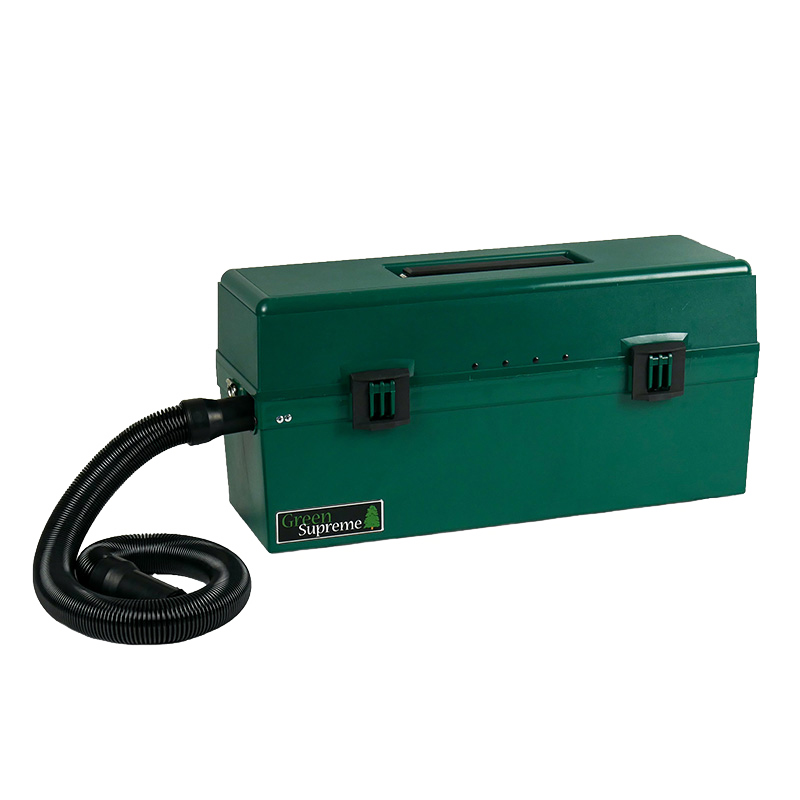
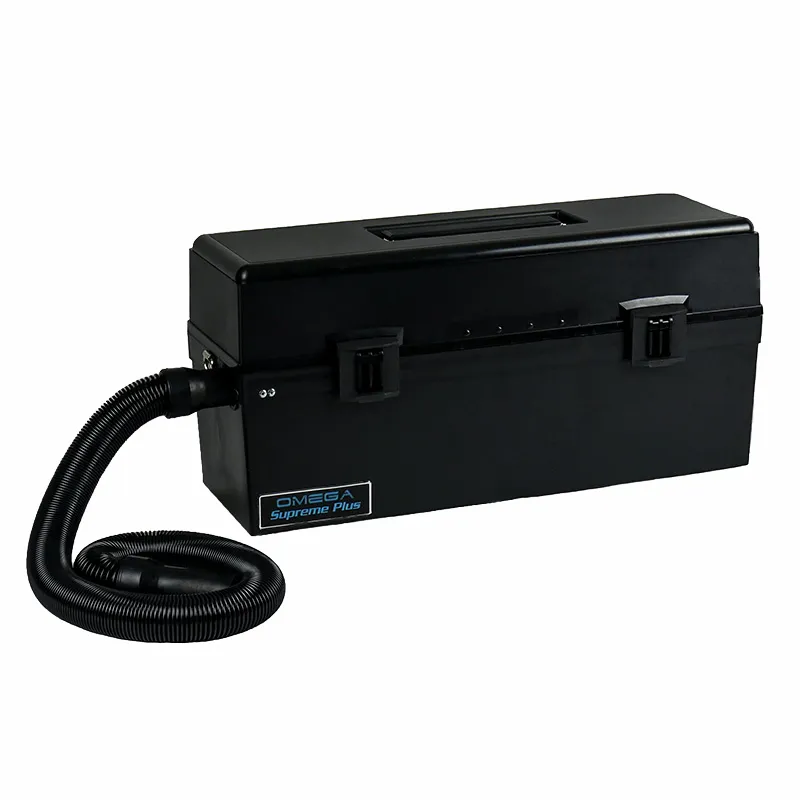
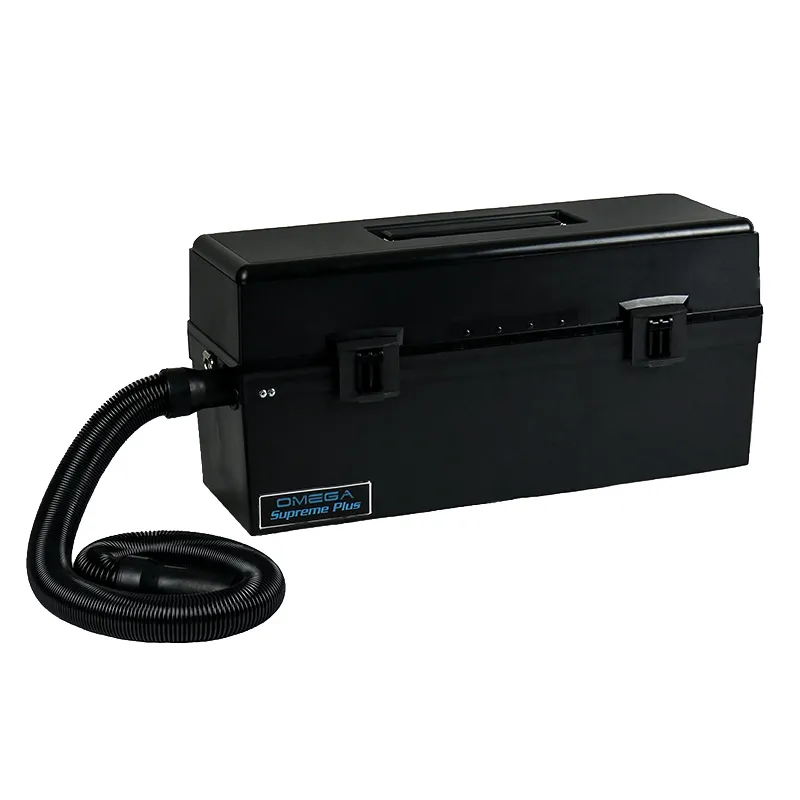
Atrix cleanroom vacuums and medical vacuums are HEPA and ULPA-filtered units built for controlled environments — capturing sub-micron particulate without re-contaminating the space. Antimicrobial Class 100 (ISO 5) models are available for hospitals, pharma and critical areas. Phil Industries is an authorised Atrix distributor in Singapore, supplying cleanroom vacuums ex-stock across Southeast Asia.
Matching the vacuum to your ISO class
| ISO class | Legacy class | Filtration to specify |
|---|---|---|
| ISO 5 | Class 100 | ULPA or certified HEPA, antimicrobial options |
| ISO 6 – ISO 7 | Class 1,000 – 10,000 | Certified HEPA |
| ISO 8 | Class 100,000 | HEPA |
Filtration explained
- HEPA — 99.97% of particles at 0.3 microns; the baseline for cleanroom and lab work.
- ULPA — 99.999% at 0.12 microns; specified where particle counts must be lowest.
- Antimicrobial units — treated housings and filters for medical and critical-area hygiene.
- Sealed construction — no bypass leakage; exhaust stays cleaner than the room air.
What to look for in cleanroom vacuums
- No re-contamination — sealed HEPA/ULPA with a filter that captures on the way in and out.
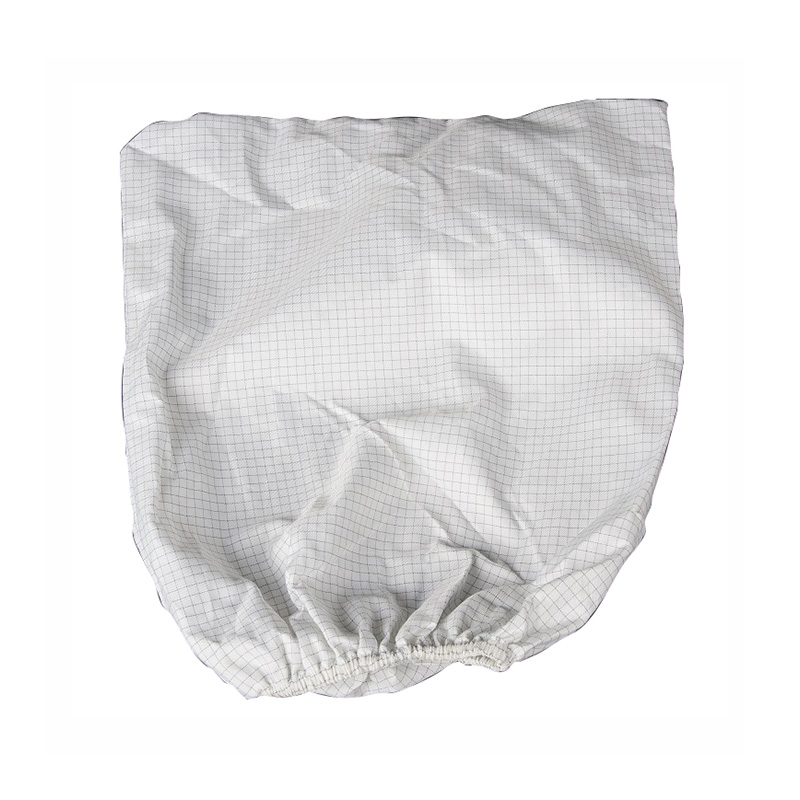
- ESD-safe option — essential if the cleanroom also handles electronics or semiconductors.
- Low-particle materials — smooth, easy-wipe housings that don’t shed.
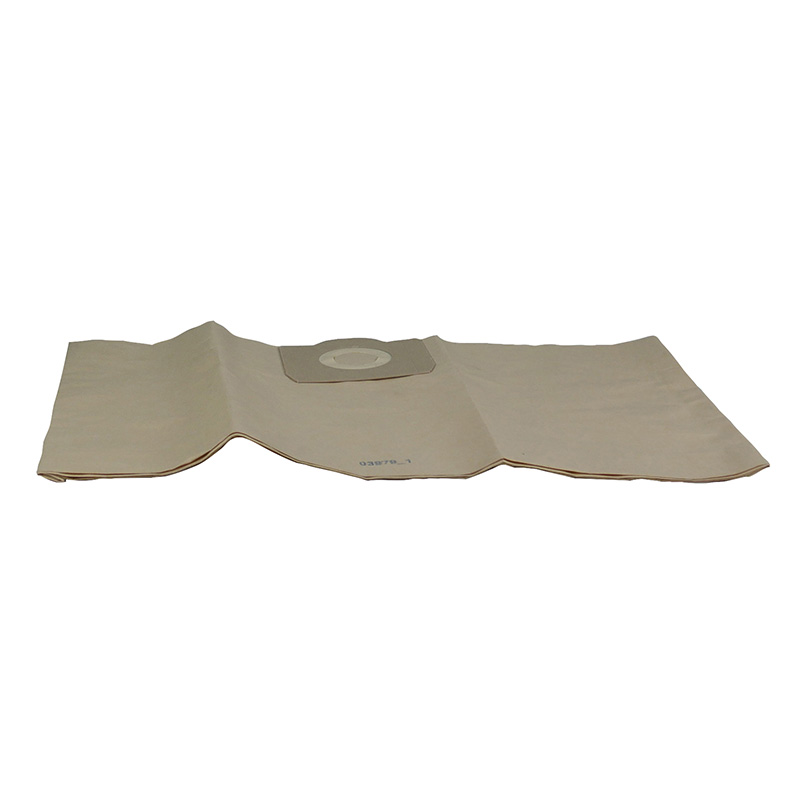
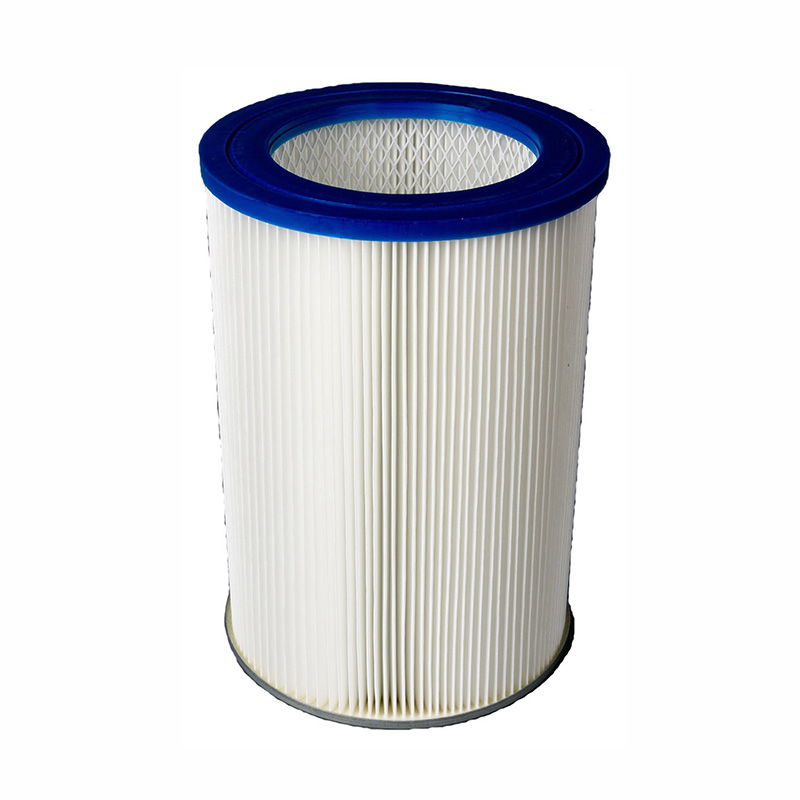
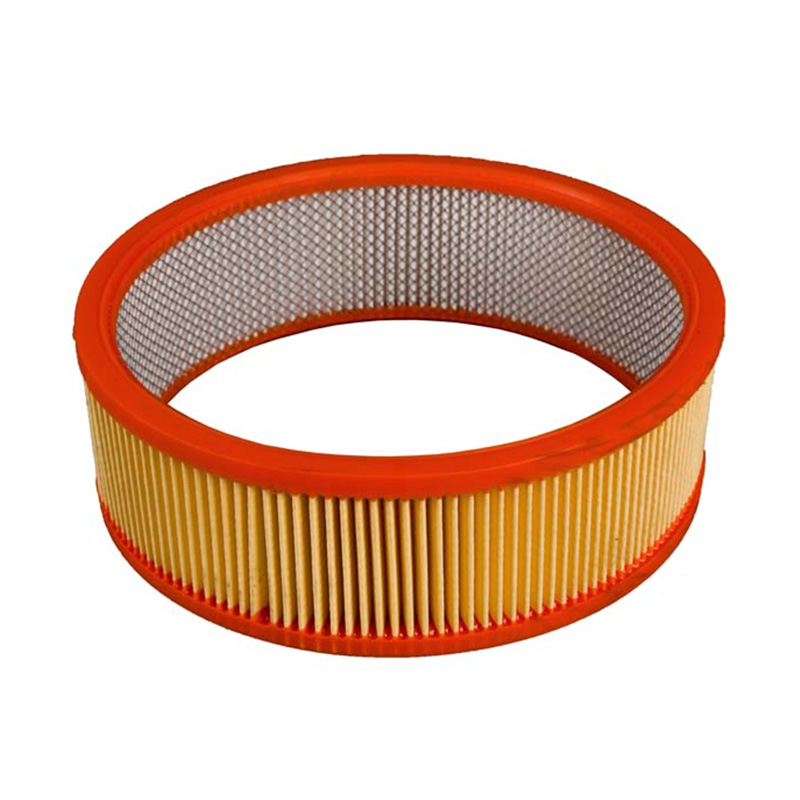
- Serviceability — genuine replacement cartridges and bags to keep certification valid.
Where these are used
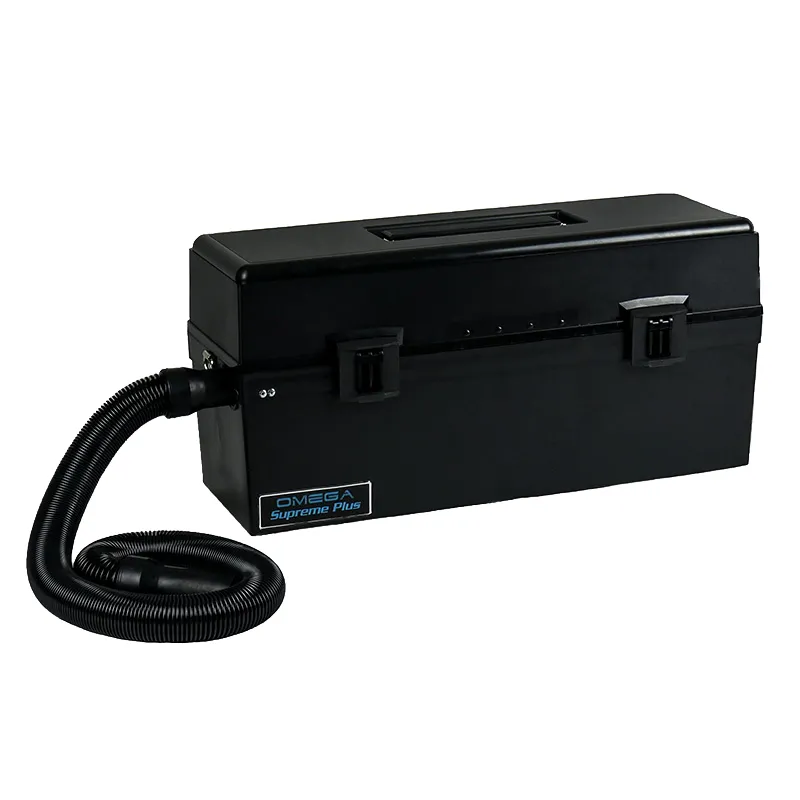
- Semiconductor and electronics cleanrooms — for ISO 8 (Class 100,000) areas, the ESD-safe Omega Supreme Plus HEPA and ULPA cleanroom vacuums.
- Pharmaceutical and GMP production areas — the Antimicrobial Class 100 HEPA vacuum is built for these spaces.
- Hospitals, medical device and laboratory environments — including the MRI-safe hospital vacuum for imaging suites.
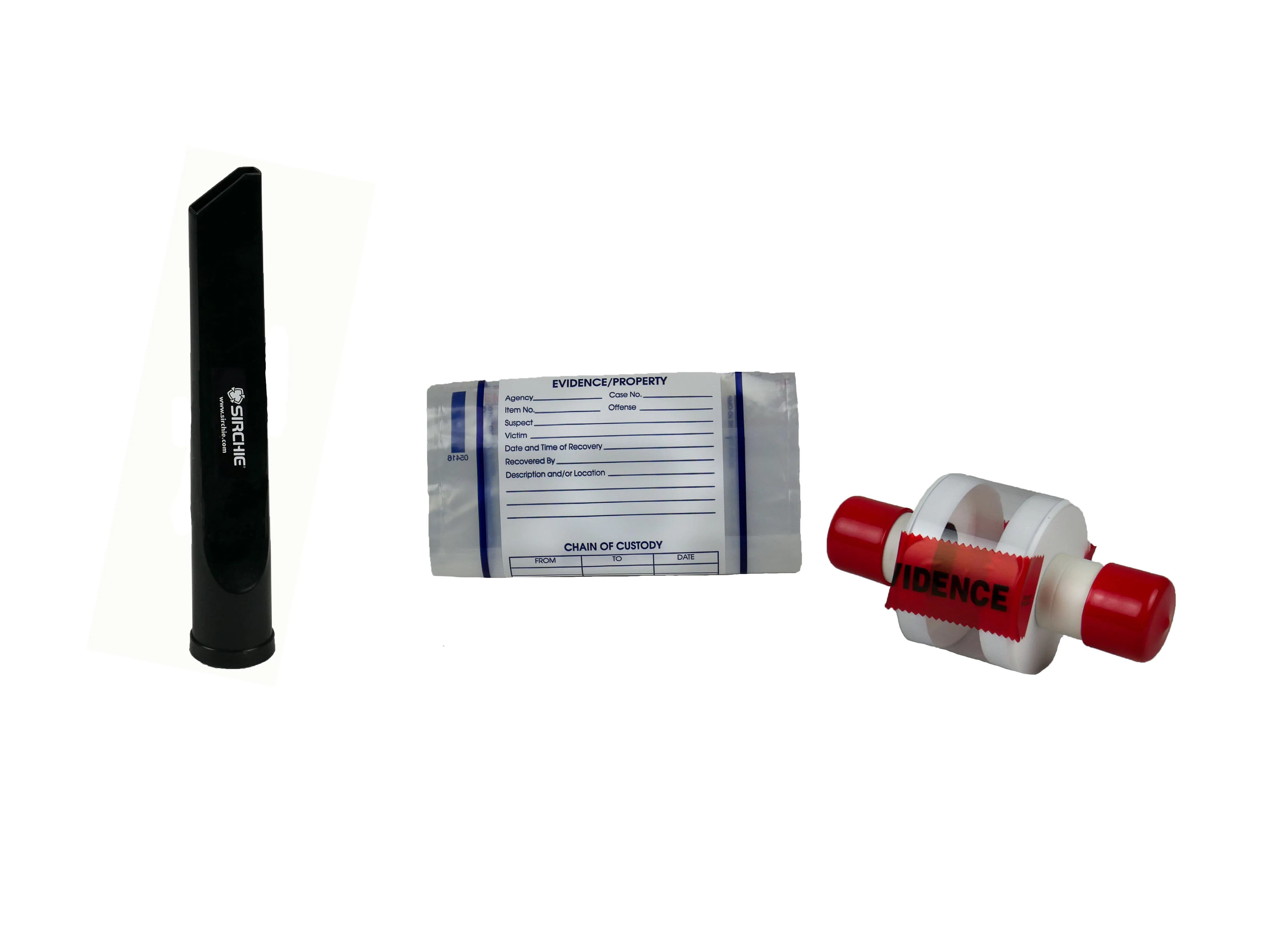
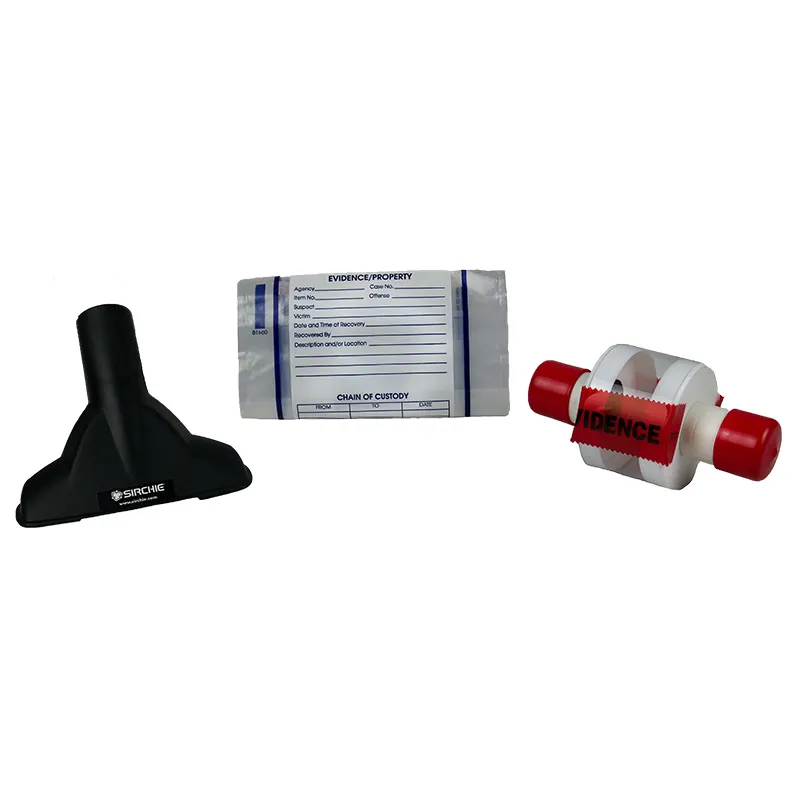
- Forensic and critical-area cleaning — see the full Critical Area Vacuums lineup, because those units carry the tightest certifications.
Frequently asked questions
Are Atrix vacuums suitable for cleanrooms?
Yes. HEPA and ULPA-filtered Atrix models are built for cleanroom and critical-area use, capturing sub-micron particulate without re-contaminating the controlled space. Antimicrobial Class 100 (ISO 5) units are available for medical environments.
What ISO cleanroom class do Atrix vacuums support?
Atrix critical-area models are designed for environments from ISO Class 5 (Class 100) through ISO Class 8 (Class 100,000), depending on filtration grade and configuration — see the table above.
What is the difference between HEPA and ULPA for cleanrooms?
HEPA traps 99.97% of particles at 0.3 microns; ULPA traps 99.999% at 0.12 microns. Higher ISO classes (lower particle counts) generally call for ULPA filtration.
Do you supply cleanroom and medical vacuums in Singapore?
Yes. Phil Industries is an authorised Atrix distributor in Singapore, stocking cleanroom and medical vacuums ex-stock with same-week delivery across Singapore and Southeast Asia.
Not sure which class you need? Call +65 6555 1745 or WhatsApp +65 9853 9030. See also Critical Area Vacuums, ESD & Toner Vacuums and Filters & Accessories.
Cleanroom and medical vacuum specifications at a glance
| Property | Across the range |
|---|---|
| Filtration | HEPA to 0.3 micron and ULPA to 0.12 micron, plus Class H14 certified options |
| Suitability | Specify ULPA for the tighter ISO classes; HEPA generally suits ISO 7 and ISO 8 |
| Power | 230V Singapore mains, plus 22V cordless models |
| Formats | Canister, backpack and cordless |
| Specialist options | Non-magnetic construction for MRI suites; biocide housings for clinical areas |
| Availability | Ex-stock Ubi, Singapore — same-day quotation |
Which filtration do you need for your ISO class?
Work back from the class rather than the machine. Because the tighter ISO classes allow far fewer particles per cubic metre, they call for ULPA filtration at 0.12 micron, whereas HEPA at 0.3 micron generally serves ISO 7 and ISO 8 areas. Our cleanroom vacuum guide maps this out, and the ISO 14644 explainer covers the classes themselves.
Do you supply vacuums for hospitals and MRI suites in Singapore?
Yes. Wards, theatres and GMP rooms each place different demands on a machine, and an MRI suite adds a hard constraint: the vacuum must be non-magnetic. Therefore tell us the room rather than the model, and we will match the filtration, the construction and the format. See our hospital vacuum guide.