An ESD mat gives static a controlled path to earth instead of letting it jump into your components. Therefore the mat is not the product that protects your boards — the grounded system is. This guide explains the three mat types, how to choose a surface, and how to keep matting compliant in a Singapore facility.
Key takeaways
- An ESD mat only works when you bond it to earth. A mat on its own is decoration.
- Bench mats protect the parts. Floor matting protects the operator. Most lines need both.
- Dissipative surfaces suit worksurfaces. Conductive suits flooring.
- Anti-fatigue ESD matting solves standing shifts without breaking the ground path.
- Test resistance to ground on a schedule, because mats wear and cords fail silently.
What does an ESD mat actually do?
Every operator, tool and trolley generates charge as it moves. An insulative surface traps that charge until it discharges into the nearest component. A dissipative or conductive mat, however, bleeds the charge away in a controlled way and carries it to a common point ground.
As a result the mat does two jobs at once. First, it drains charge already sitting on parts placed on it. Second, it stops the worksurface itself becoming a charge generator. That is why a bare steel bench or a laminate top is not an acceptable substitute.
Bench mat, floor mat or anti-fatigue — which do you need?
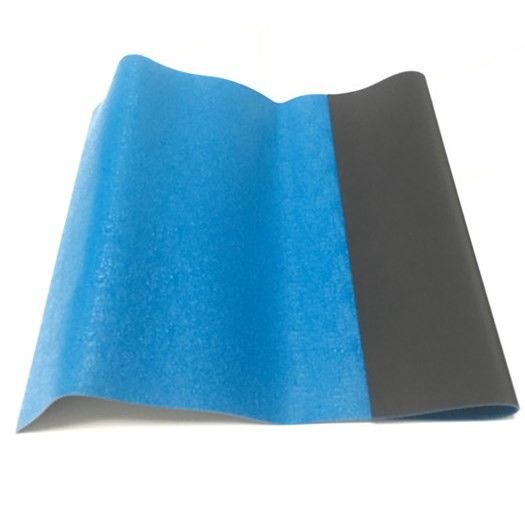
The three formats solve different problems, so the honest answer is usually more than one. Use the table below to match the format to the work.
| Format | Construction | Protects | Use it for |
|---|---|---|---|
| Bench / table mat | Two or three layer dissipative rubber | The components | Assembly, rework, inspection, test benches |
| Floor mat / runner | Conductive or dissipative rubber | The operator | Standing stations, walkways inside the EPA |
| Anti-fatigue ESD | Cushioned dissipative | The operator | Long standing shifts, SMT lines, packing |
| Grounding kit | Cord, snap and common point | The whole path | Required to bond any mat to earth |
In short, a seated bench needs a table mat. A standing line needs floor matting, and if the shift runs long, the anti-fatigue version pays for itself in comfort without giving up the ground path.
Why a mat without a ground cord does nothing
This is the single most common failure we see. Someone buys matting, lays it on the bench, and assumes the job is done. However, an unbonded mat has no route to earth, so charge simply sits on it.
Every mat therefore needs three things: a ground cord, a stud or snap to attach it, and a common point ground that reaches building earth. In addition, operators need their own path — usually a wrist strap on a seated bench, or heel grounders plus conductive flooring when standing. Our ESD grounding guide walks through the full workstation build.
Conductive or dissipative — which surface?
Both drain charge, but at different speeds, and that difference decides where each belongs.
- Conductive (below 1 × 10⁴ Ω) moves charge fast. Consequently it suits flooring and some tooling.
- Dissipative (1 × 10⁴ to 1 × 10¹¹ Ω) bleeds charge away in a controlled way. For that reason it is the standard choice for worksurfaces, chairs and garments.
- Insulative (above 1 × 10¹¹ Ω) holds charge. Keep ordinary plastics out of the EPA entirely.
Put simply, you want charge to leave a worksurface quickly but not instantly, because a very fast discharge is itself a risk near sensitive parts.
How should you lay matting out in a Singapore EPA?
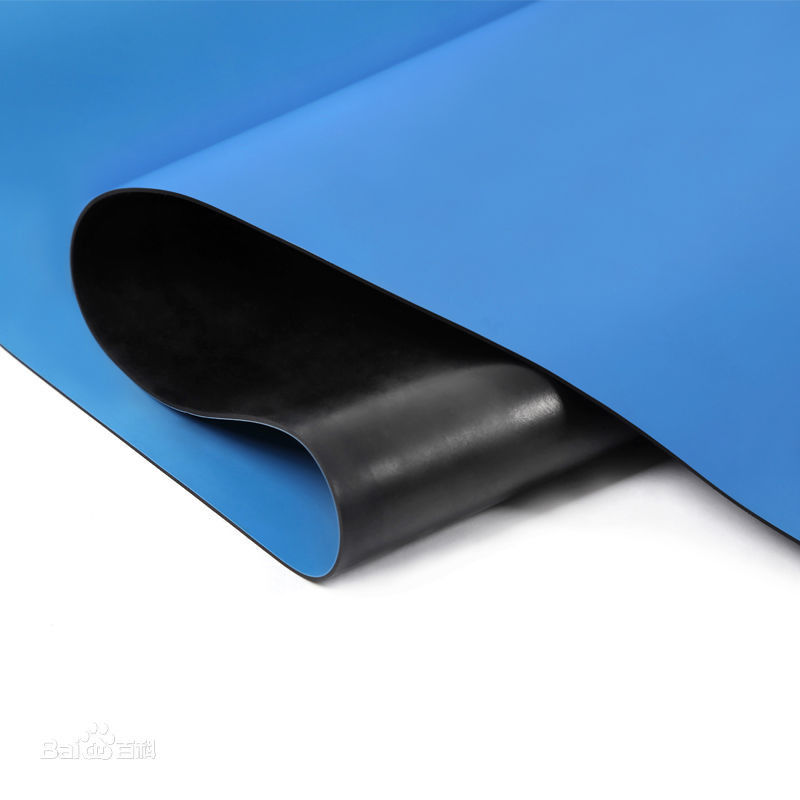
Start at the bench and work outwards. Cover the full working area of the worksurface first, since a half-covered bench leaves an insulative gap exactly where parts get placed. Next, bond the mat, then ground the operator, and only then extend to the floor.
Singapore facilities add one more consideration: humidity swings between air-conditioned cleanrooms and open production floors. Because charge generation rises as humidity falls, an air-conditioned SMT room often needs stricter matting and grounding discipline than the warehouse next door.
How do you test and maintain ESD matting?
Matting degrades. Cleaning chemicals leave insulative films, cords fatigue at the crimp, and snaps work loose under daily use. Therefore periodic verification matters more than the original purchase.
Measure resistance to ground on a defined schedule and record it, because auditors ask for the record rather than the receipt. In addition, clean with an ESD-safe cleaner only. Ordinary detergents and polishes leave residues that insulate the very surface you are relying on. Both IEC 61340-5-1 and ANSI/ESD S20.20 expect a documented compliance verification plan — our ESD standards guide covers what each one asks for, and the ESD Association publishes the underlying test methods.
Frequently asked questions
Is an ESD mat the same as an anti-static mat?
Yes. “ESD mat,” “anti-static mat” and “static dissipative mat” all describe matting that drains charge to ground. The meaningful distinction is not the name but the placement: bench or floor.
Do ESD mats for floors need to be conductive?
Usually yes. Floor matting works with the operator’s footwear, so a conductive path suits it best. However, dissipative floor matting is sometimes specified where a slower bleed is preferred, so check your own EPA plan.
Does anti-fatigue matting compromise ESD protection?
No, provided you buy the ESD version. Cushioned dissipative matting keeps the ground path intact while reducing standing fatigue. Ordinary comfort matting from a hardware shop is insulative and will undermine the EPA.
How often should ESD matting be tested?
Set the interval in your compliance verification plan and stick to it. Many Singapore electronics sites test worksurfaces periodically and log the readings, because an unrecorded test does not help during an audit.
Do you supply ESD matting in Singapore from local stock?
Yes. We stock bench matting, floor matting and runners, anti-fatigue ESD matting and the earthing kits that bond them, and we quote the same day. Browse ESD rubber matting, pair it with ESD grounding and earthing accessories, or see the wider ESD product range.
Setting up or auditing a bench? Tell us the workstation and we will specify the matting, the cord and the common point ground so the whole path earths together.