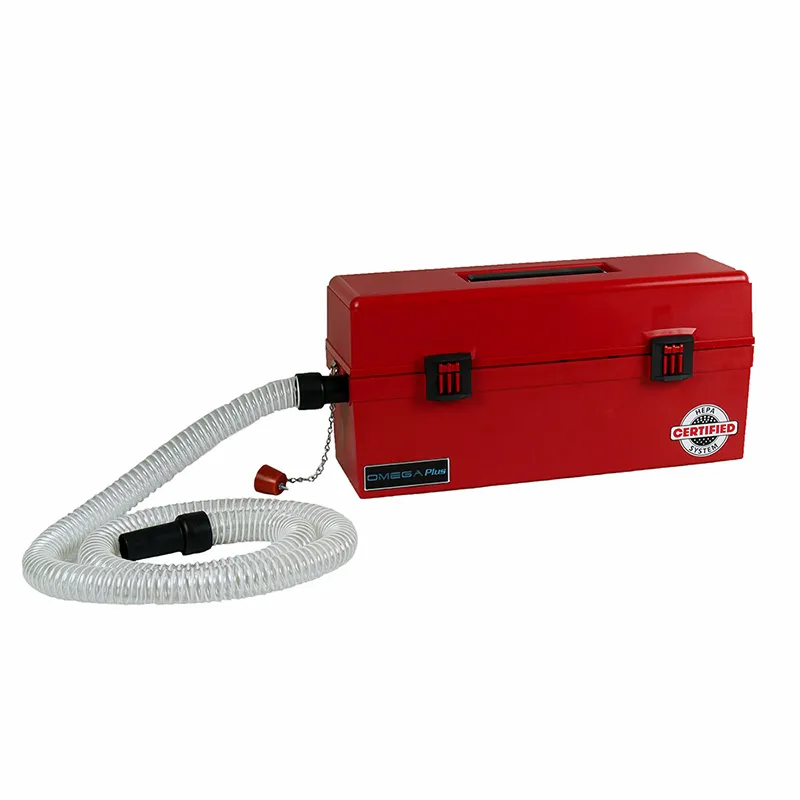
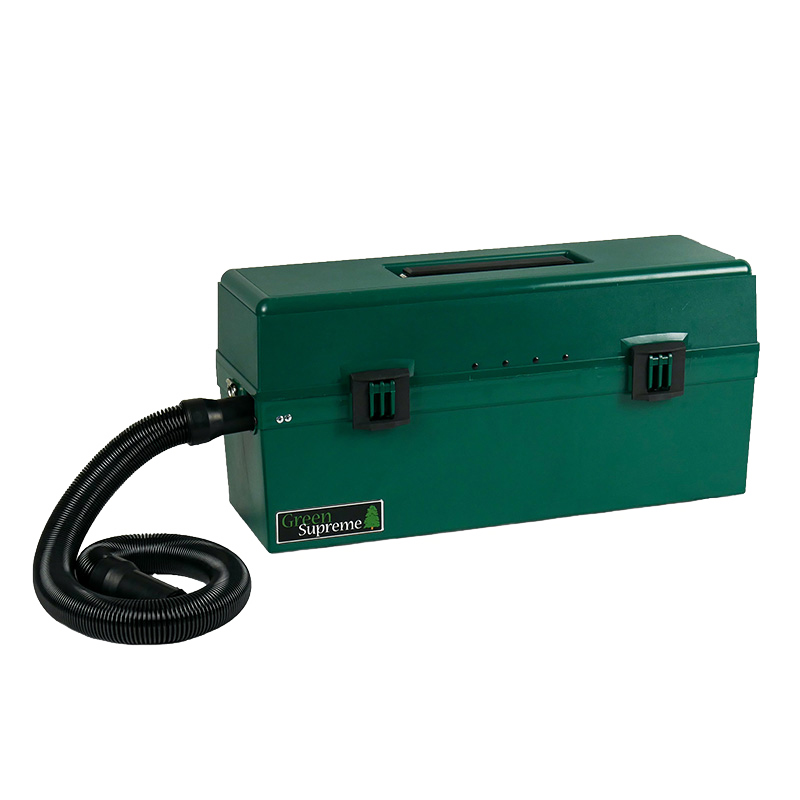
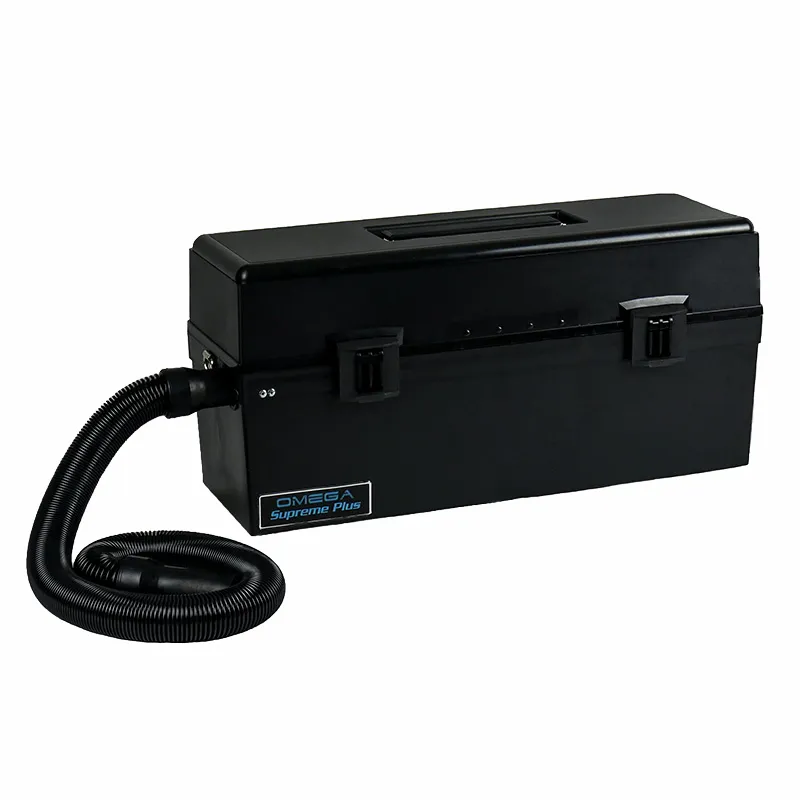
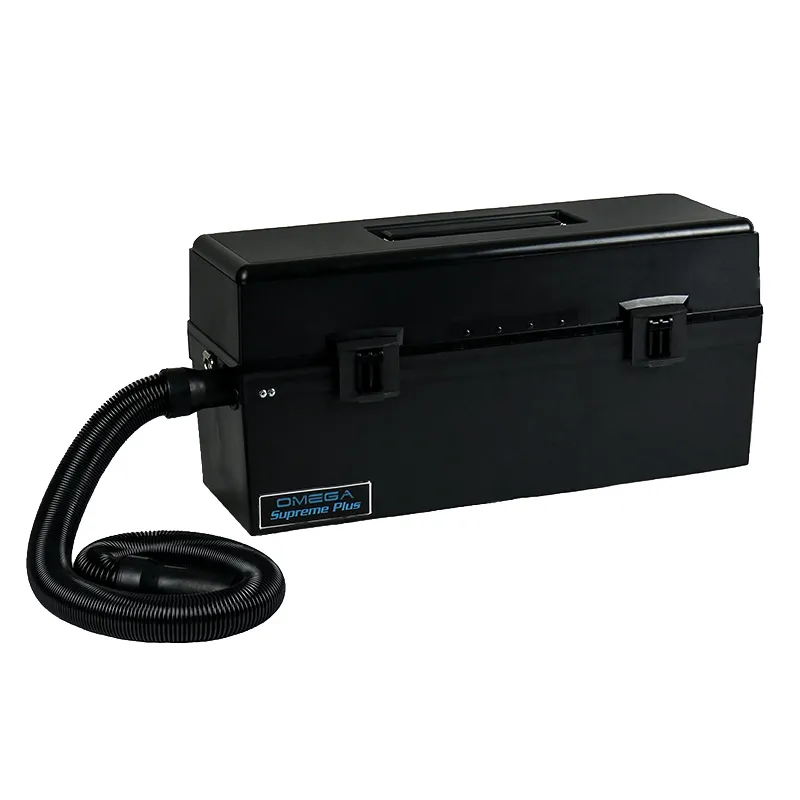
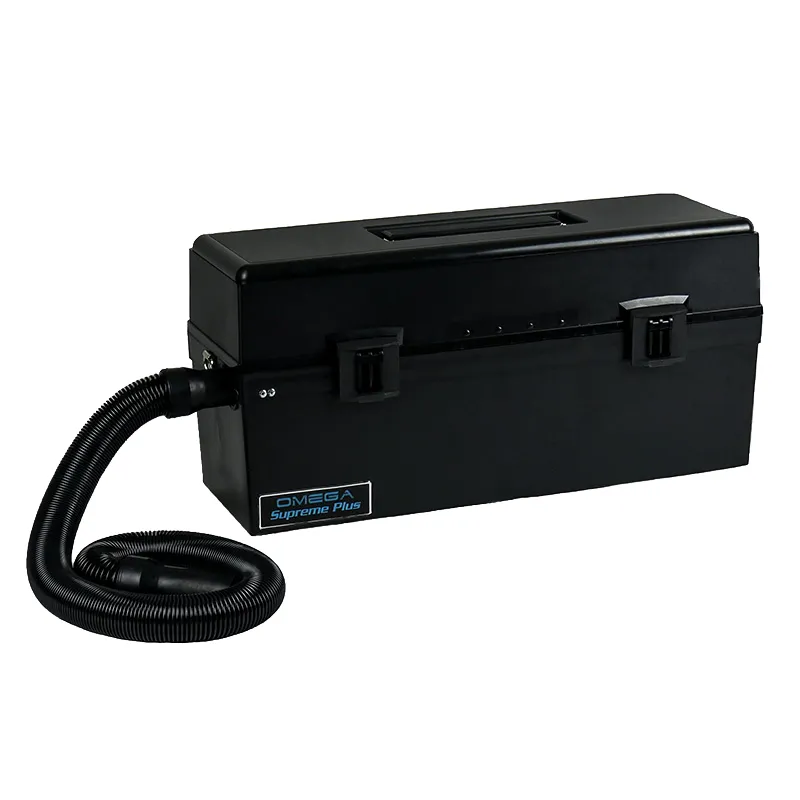
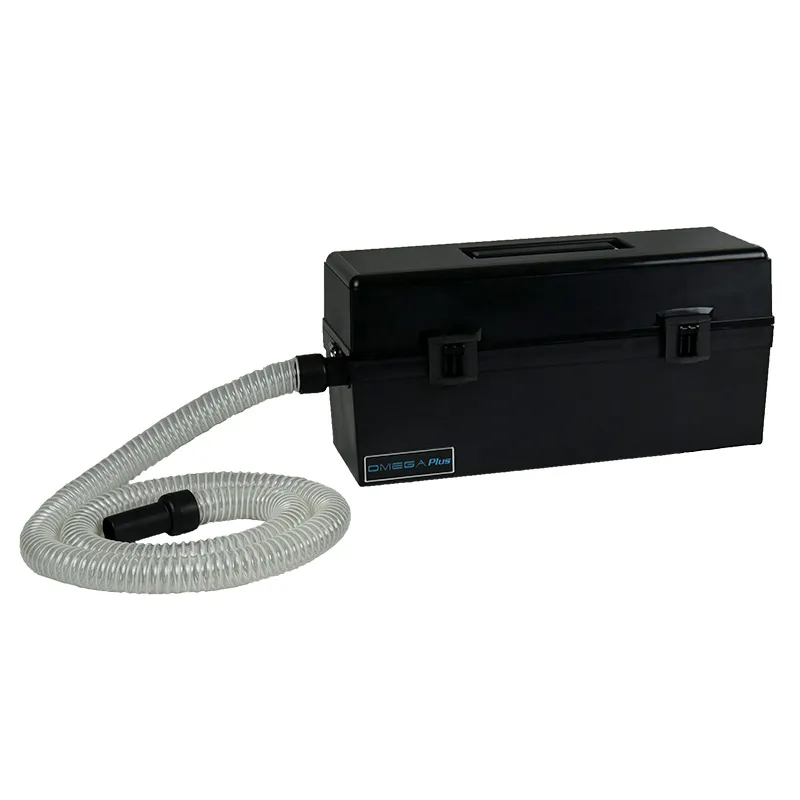
A hospital vacuum has to do two jobs at once: lift contamination without redistributing it, and survive the cleaning regime of a clinical space. Therefore the machines below are specified for wards, operating theatres, GMP rooms and MRI suites, where an ordinary cleaner is not acceptable.
Atrix critical area vacuums are the most tightly specified units in the range — antimicrobial ISO 5 (Class 100), sealed HEPA/ULPA and Class H-certified H14 models for semiconductor fabs, GMP pharmaceutical areas and hospitals where ordinary filtration is not acceptable. Phil Industries stocks all ten models in Singapore, with delivery across Southeast Asia.
Critical area vacuums by application
| Model | Rating | Best for |
|---|---|---|
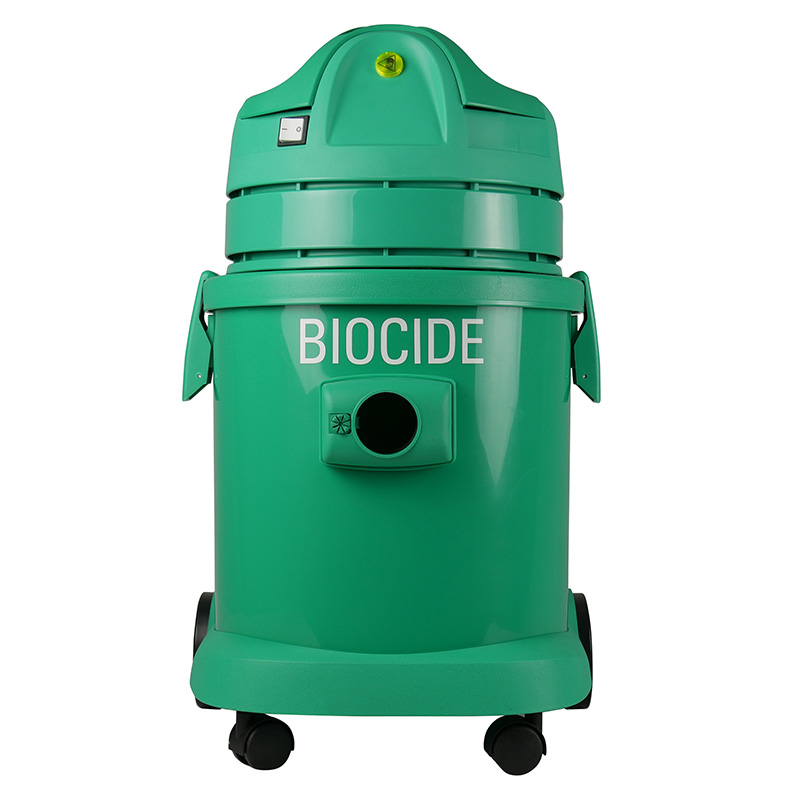
| Antimicrobial Class 100 Cleanroom HEPA Vacuum | ISO 5 / Class 100, antimicrobial | Hospitals, pharma and medical device production |
| Omega Supreme MRI Hospital Vacuum | H13 HEPA, ESD safe, 15 ft non-metallic hose | MRI suites — the unit stays outside the magnetic field while the hose reaches the equipment |
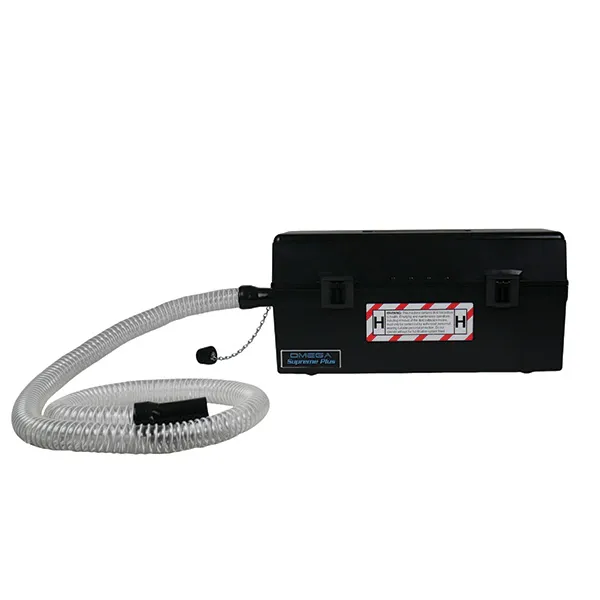
| Omega Supreme Plus HEPA Cleanroom Vacuum | Dual H13 HEPA, ESD safe | Class 100,000 / ISO 8 cleanrooms — electronics, pharma and medical areas |
| Omega Supreme Plus ULPA Cleanroom Vacuum | H14 ULPA media, ESD safe | Class 100,000 / ISO 8 cleanrooms where finer capture is preferred |
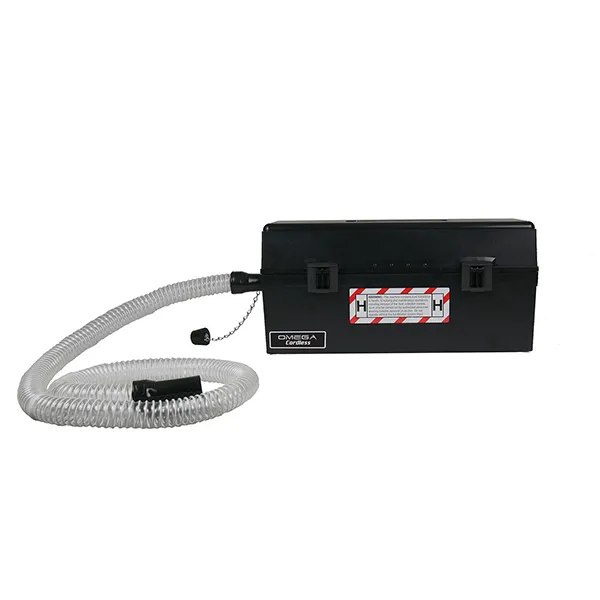
| 230V Omega Class H14 Certified Vacuum and Cordless H14 | Certified to IEC/EN 60335-2-69 Annex AA-Class H (H14 ULPA) | Certified containment and controlled decontamination work |
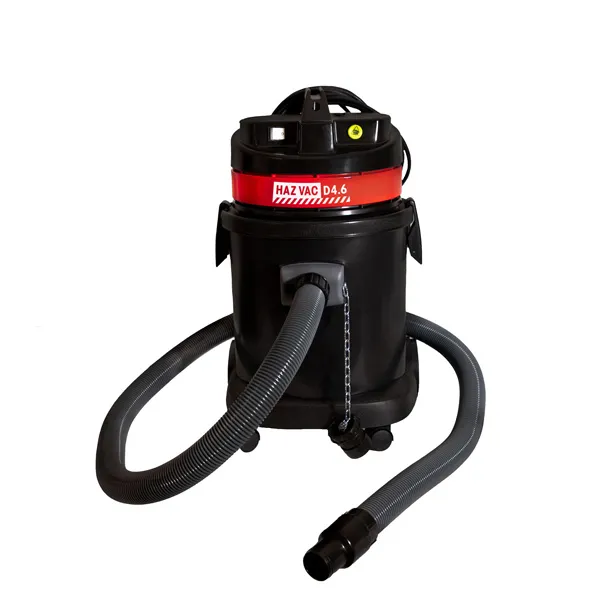
| Omega HEPA Certified System, Omega ULPA, Hazardous Particulate D4.6, Forensic Trace Evidence | HEPA / ULPA | Specialised critical-area cleaning tasks |
Why semiconductor and pharma buyers specify these
- Certified filtration — because the HEPA/ULPA cartridge seals with no bypass leakage, exhaust air stays cleaner than the room itself.
- Low-particle construction — smooth housings wipe down easily, so the vacuum itself does not shed into the cleanroom.
- Contained disposal — bagged collection keeps captured particulate sealed in, and therefore protects operators during filter changes.
- ESD-safe options — essential where wafers or assemblies are handled; for example, see ESD & Toner Vacuums.
Choosing by ISO class
- ISO 5 (Class 100) — the Antimicrobial Class 100 Cleanroom HEPA Vacuum is the ISO 5-rated unit in this range.
- ISO 8 (Class 100,000) — the Omega Supreme Plus HEPA and ULPA cleanroom vacuums; in addition, see Cleanroom & Medical Vacuums for the wider lineup.
- Hospitals and imaging — antimicrobial units cover wards and theatres, while MRI suites need the non-magnetic MRI model.
Frequently asked questions
What is a critical area vacuum?
Critical area vacuums combine certified HEPA/ULPA filtration, low-particle materials and contained disposal, so cleaning does not add contamination to the space.
Which vacuum suits an ISO 5 semiconductor cleanroom?
For ISO 5 (Class 100) areas, specify the Antimicrobial Class 100 Cleanroom HEPA Vacuum. For ISO 8 cleanrooms, the Omega Supreme Plus ULPA captures 99.999% of particles at 0.12 microns, and both Supreme Plus models are ESD safe.
Can a vacuum go inside an MRI room?
The Omega Supreme MRI Hospital Vacuum comes with a 15-foot non-metallic ESD-safe hose, so the unit itself stays outside the magnetic field while you service the MRI equipment.
Do you stock replacement filters and bags?
Yes — we stock genuine antimicrobial filters, concealment filters and paper bags; see Filters & Accessories. Genuine parts keep the filtration rating valid.
Phil Industries is an authorised Atrix distributor for critical area vacuums in Singapore. Not sure which class you need? Call +65 6555 1745 or WhatsApp +65 9853 9030 for same-week delivery.
Cleanroom rather than clinical?
Looking for cleanroom rather than clinical use? These same machines sit within our wider cleanroom and medical vacuum range, where the selection is driven by ISO class instead of the clinical environment.
What makes a hospital vacuum different from a normal one?
Three things, and all of them matter in a clinical setting. First, the filtration must be sealed so captured particles cannot leak back into the air. Second, the housing must survive repeated disinfection. Third, an MRI suite adds a hard constraint that no ordinary machine meets: the vacuum must be non-magnetic. Consequently we match the hospital vacuum to the room rather than the other way round — tell us whether it is a ward, a theatre, a GMP room or an MRI suite. Our hospital vacuum guide works through each environment.