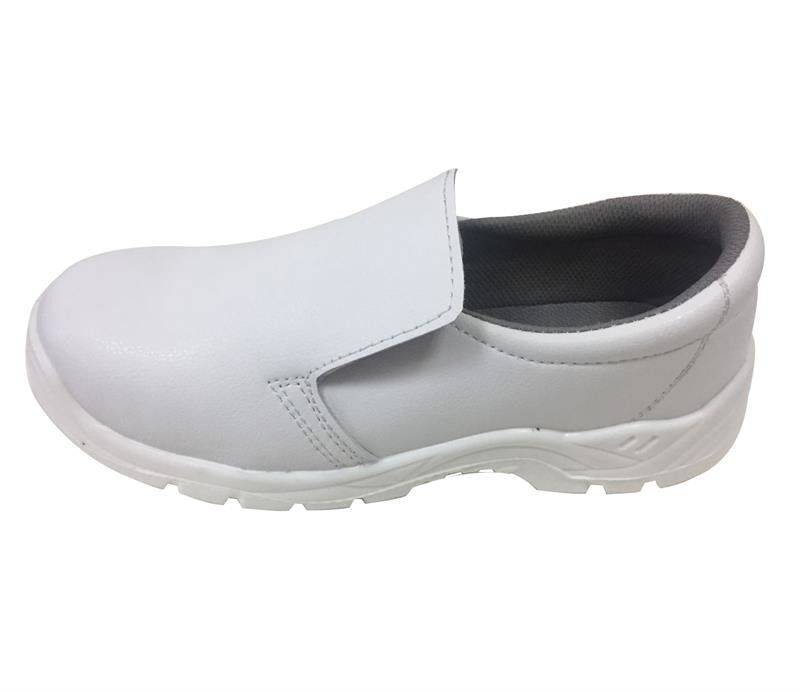
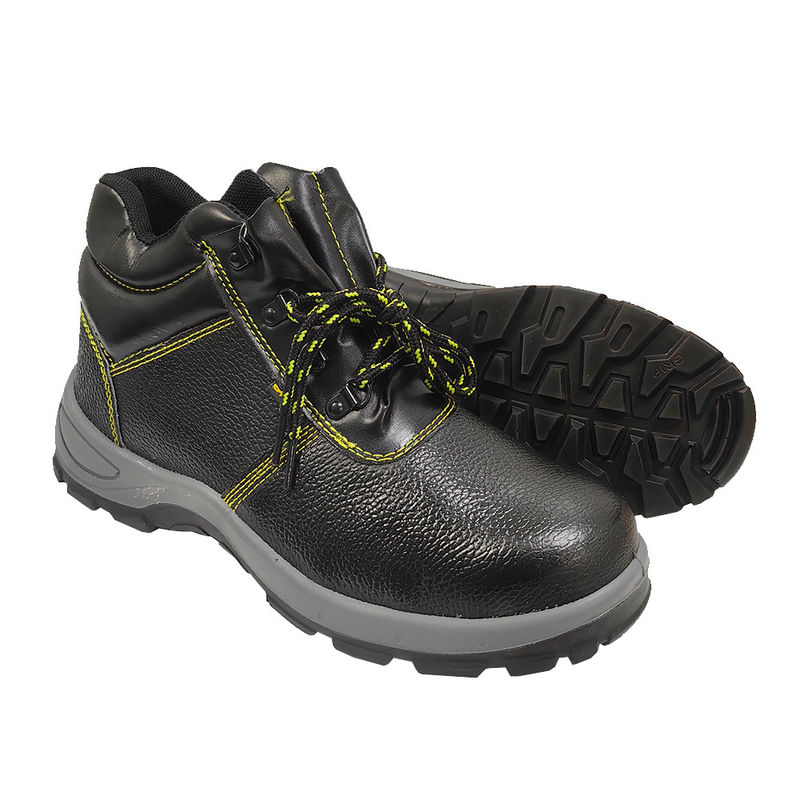
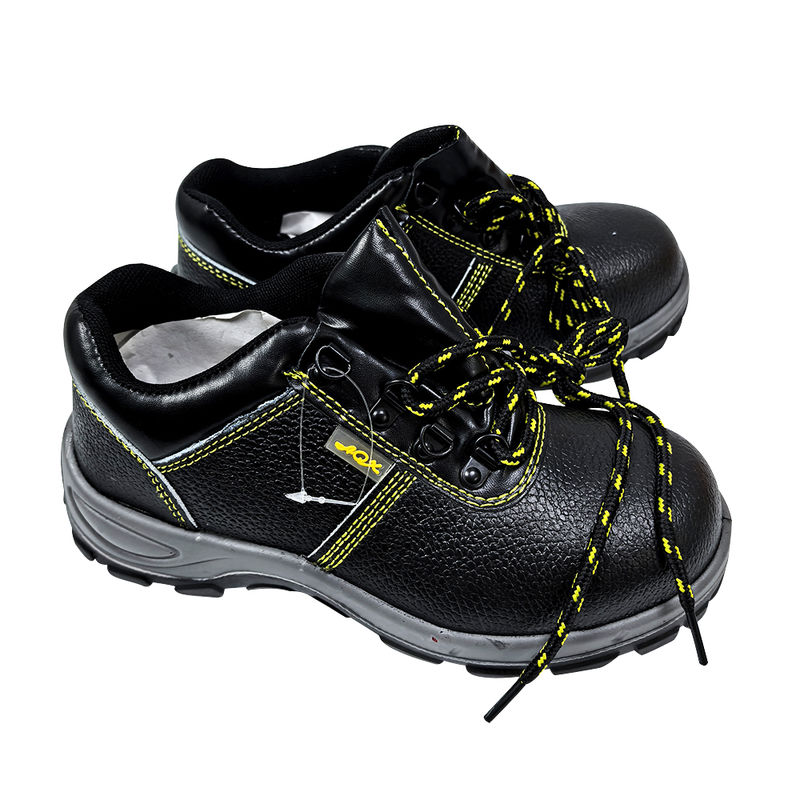
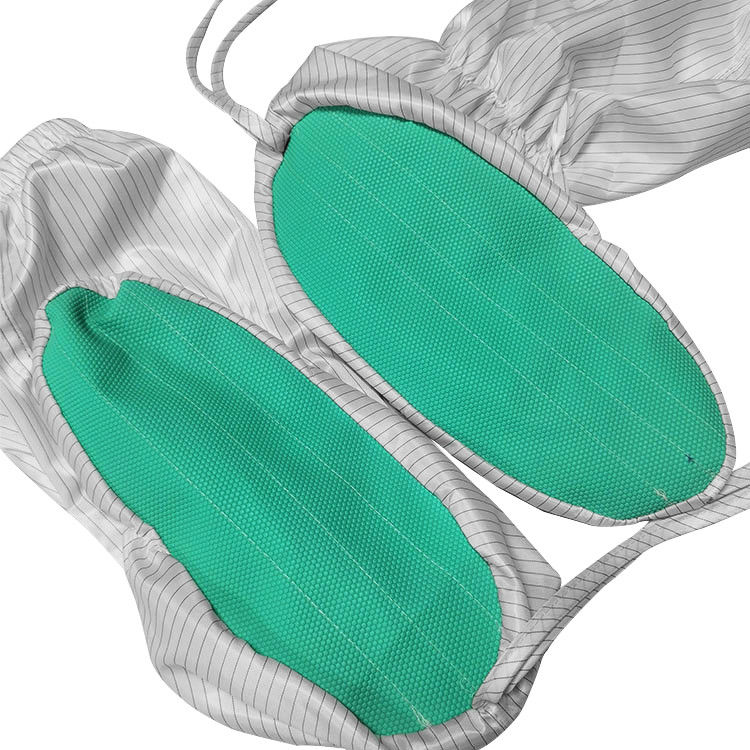
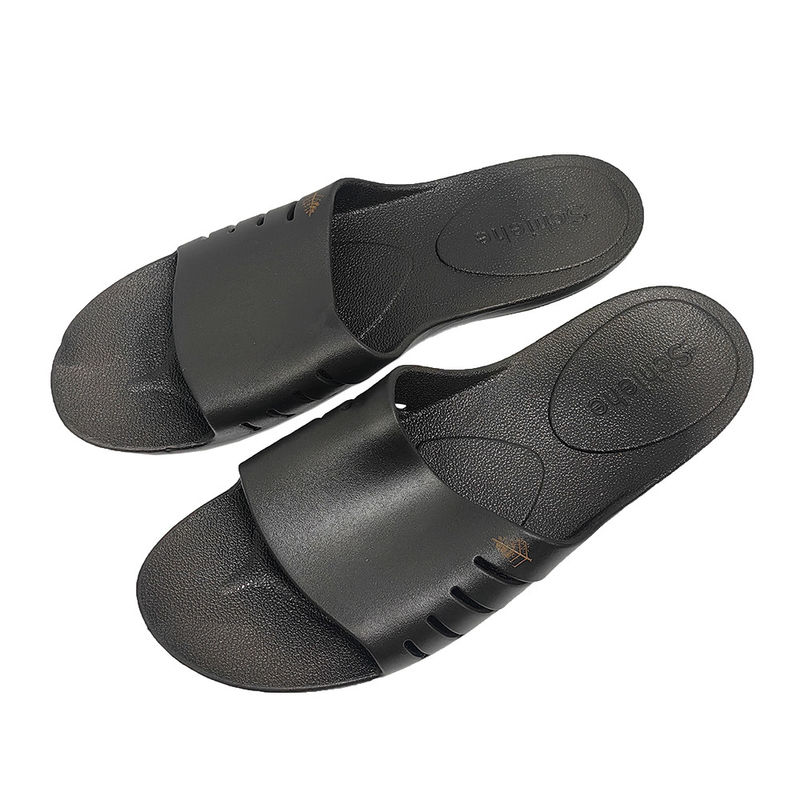
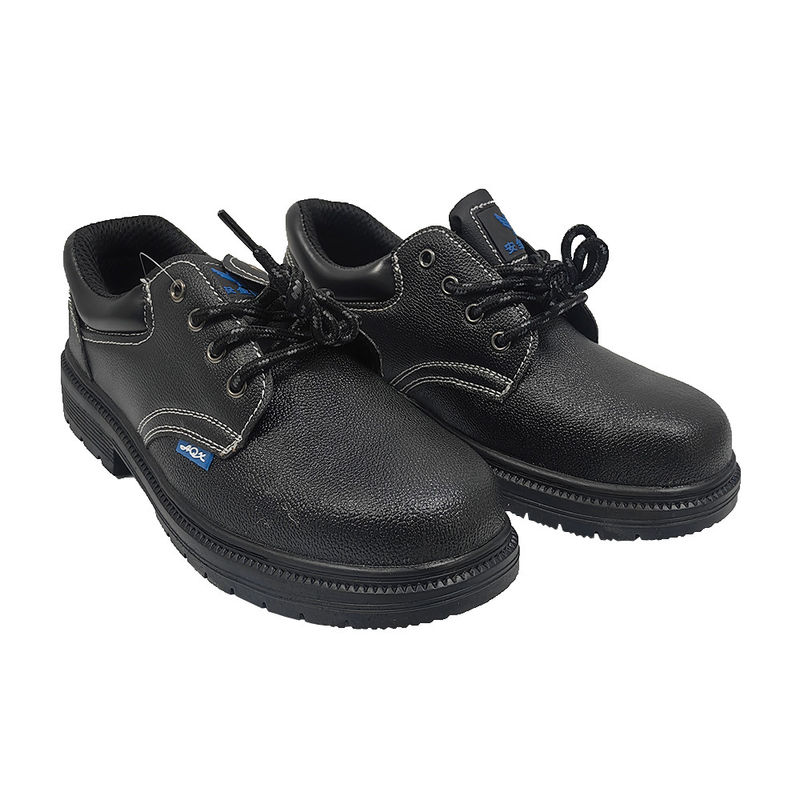
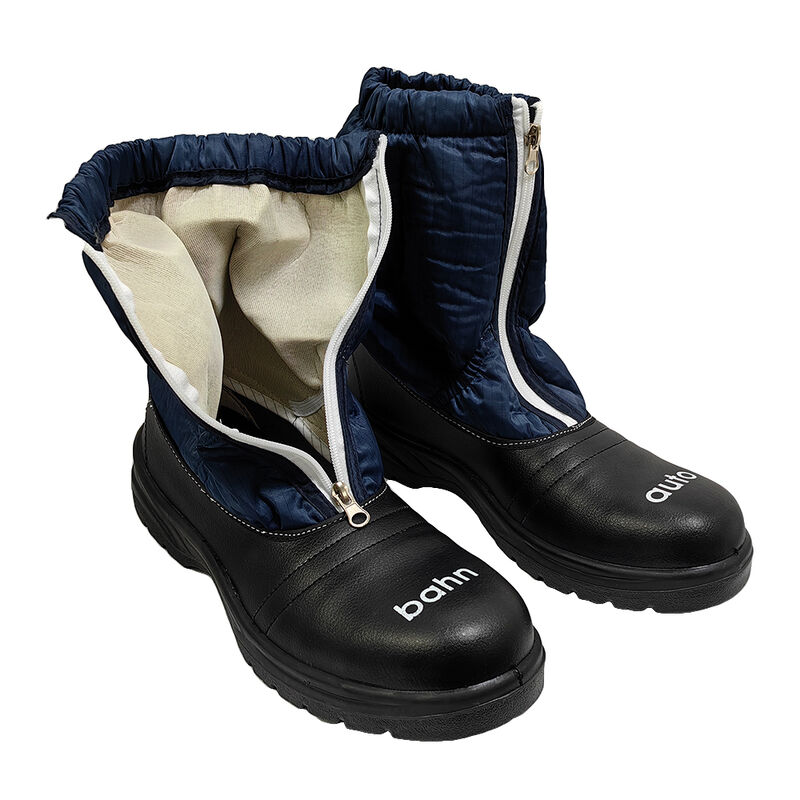
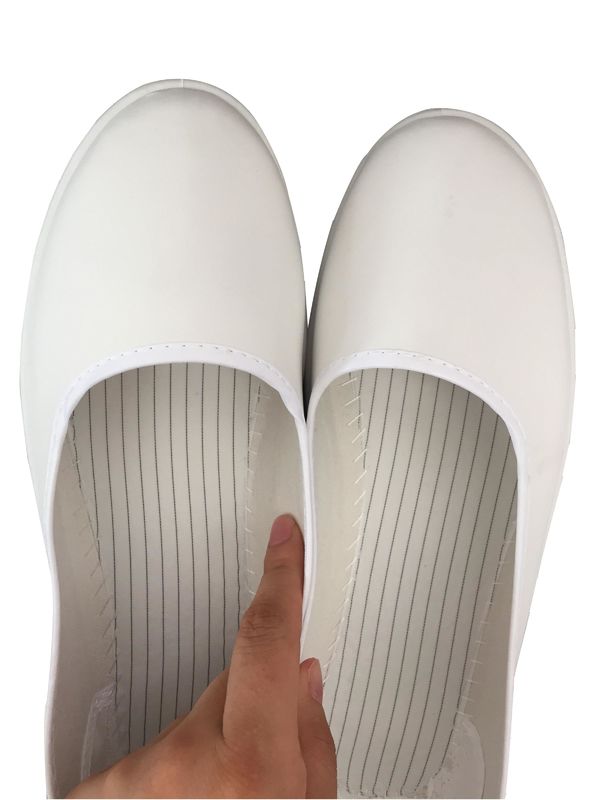
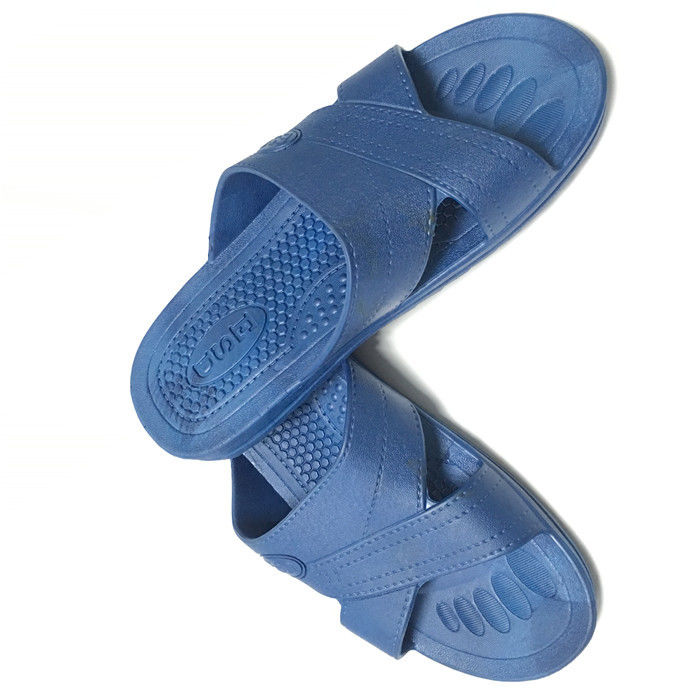
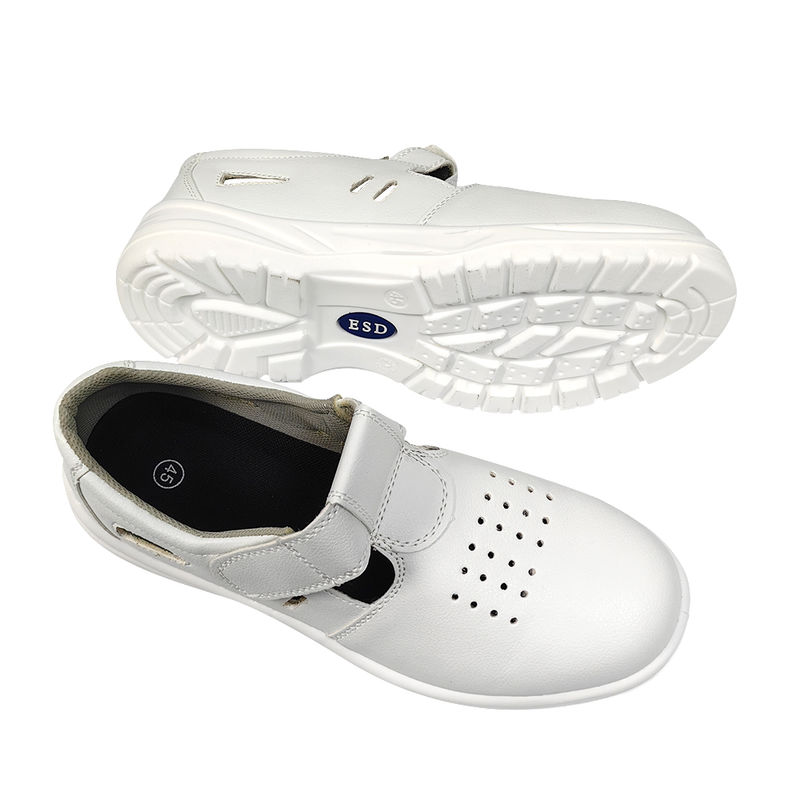
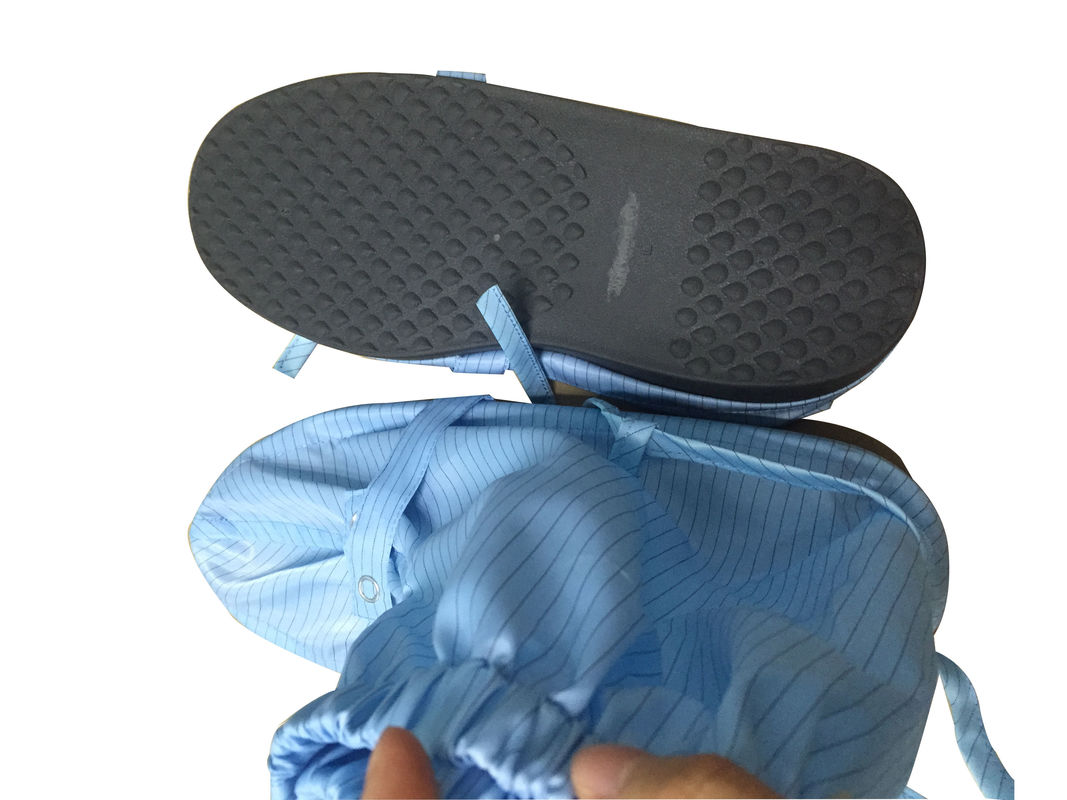
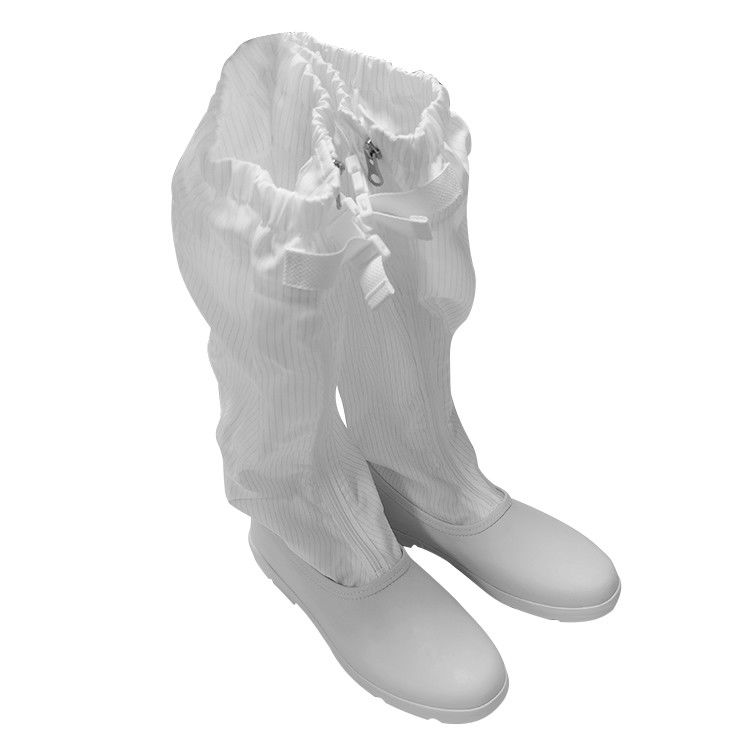
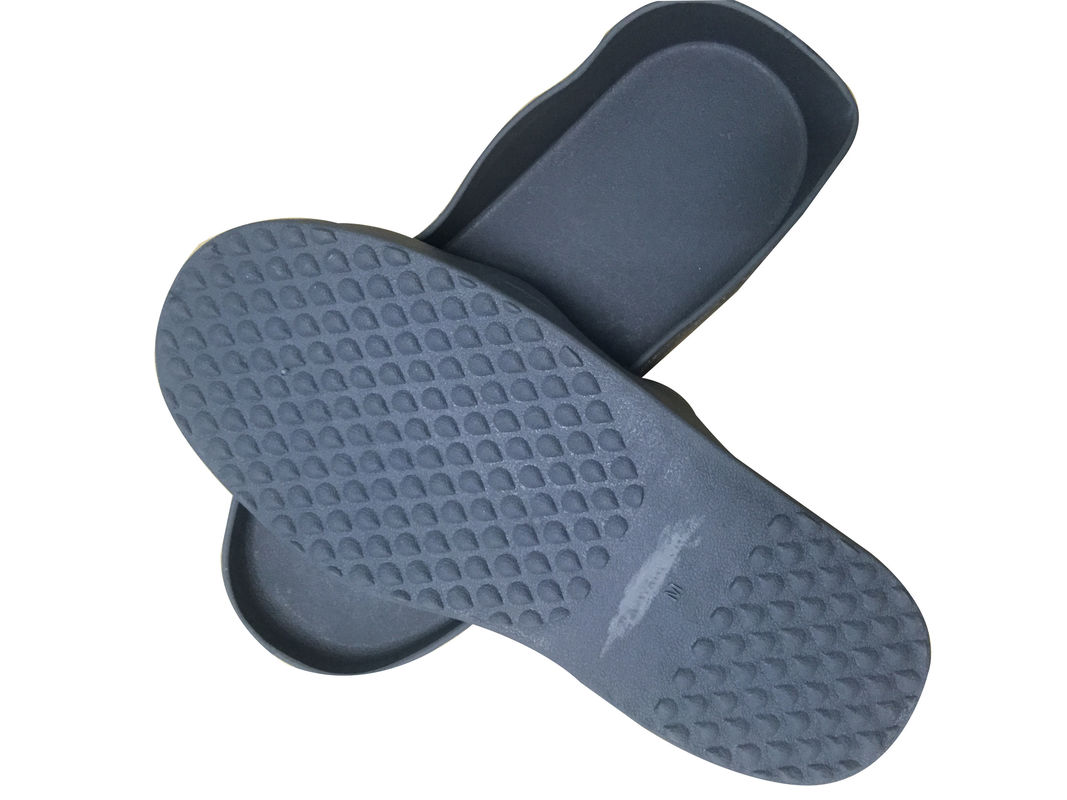
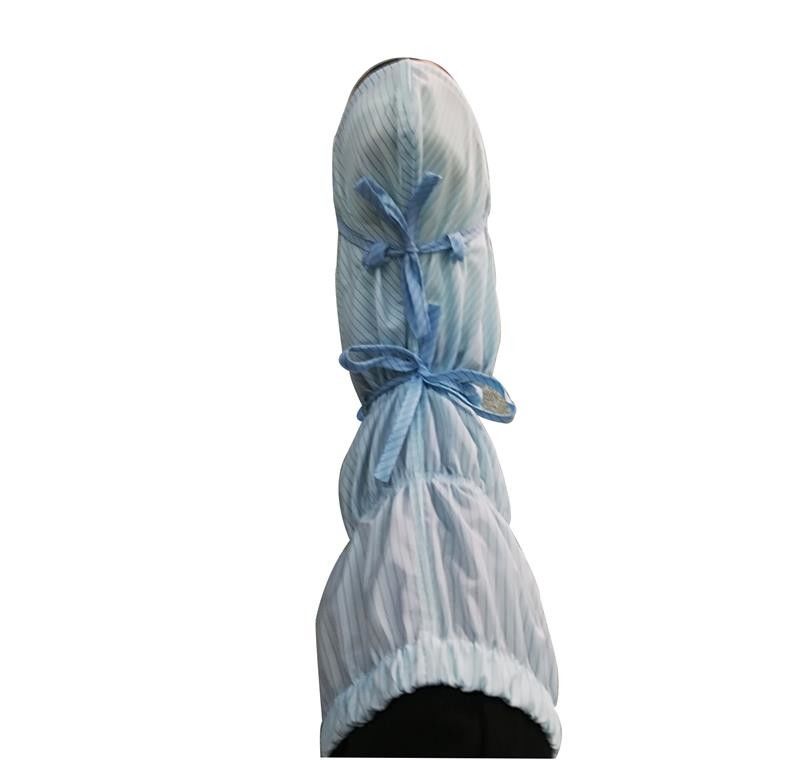
ESD safety shoes only work if the floor completes the circuit. Phil Industries supplies dissipative safety footwear in Singapore — S1, S2 and S3 ratings plus cleanroom-grade uppers — and can advise on the flooring that makes them effective.
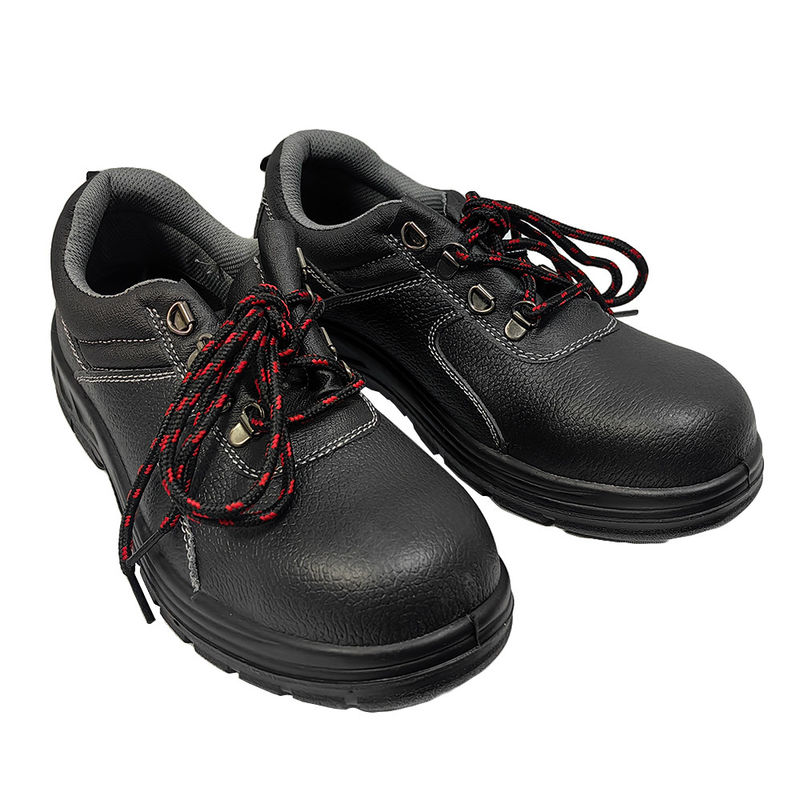
🥾 Safety ratings explained
| Rating | What it adds | Typical use |
|---|---|---|
| SB | Toe cap only | Basic protection |
| S1 | Toe cap + antistatic + closed heel | Dry indoor production, electronics |
| S2 | S1 + water penetration resistance | Damp areas |
| S3 | S2 + penetration-resistant midsole | Heavier industrial floors |
| Cleanroom | Dissipative, low-particle upper | ISO-classified rooms |
📊 Where the resistance has to sit
Person-to-ground resistance path, ANSI/ESD S20.20
| Insulative floor | Circuit broken — shoes do nothing |
|---|---|
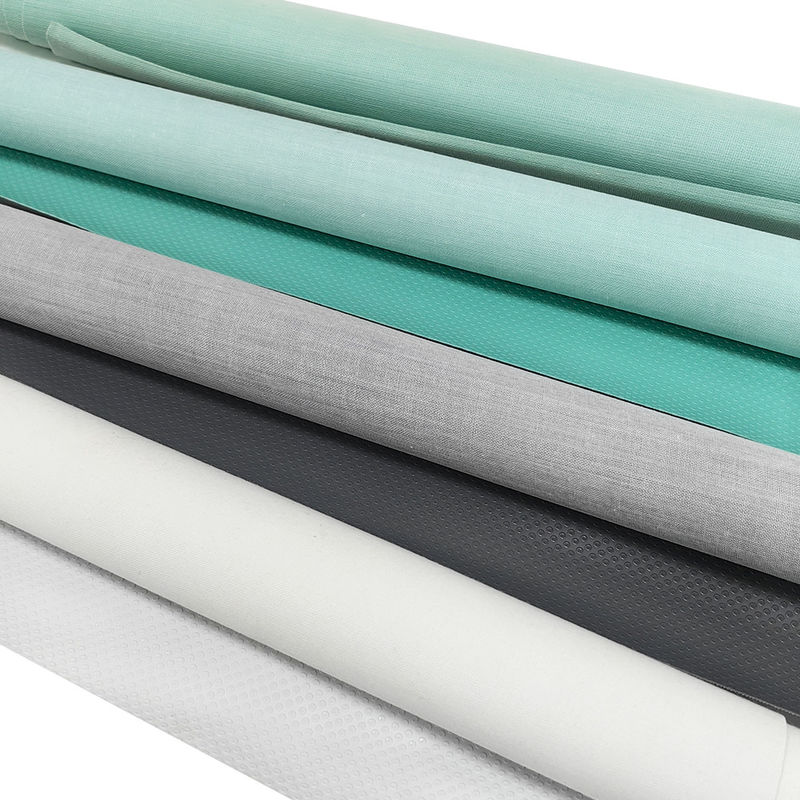
| Dissipative floor + ESD shoes | Within limit — charge drains |
| Wrist strap at bench | Direct path — seated work |
Illustrative, not measured values. ANSI/ESD S20.20 sets the person-to-ground limit; verify with a foot tester on entry.
👟 Shoes or wrist strap?
- Standing or moving work — ESD footwear plus dissipative flooring. A strap would tether the operator.
- Seated bench work — a wrist strap gives the direct path.
- Most S20.20 programmes use both, footwear on the floor and a strap at the bench.
⚠️ Limitations worth knowing
- The floor completes the circuit. ESD shoes on an insulative floor do nothing.
- Test daily. Operators should verify footwear at a foot tester on entry to the EPA.
- Socks matter. Thick insulating socks can break the path through the insole.
- Wear degrades performance. Re-test rather than assume.
📚 Standards referenced
| ANSI/ESD S20.20 | ESD control programme — person-to-ground requirements |
|---|---|
| IEC 61340-5-1 | Protection of electronic devices from electrostatic phenomena |
| EN ISO 20345 | Safety footwear specification and SB/S1/S2/S3 ratings |
| ANSI/ESD STM97.1 | Footwear and flooring system resistance in combination |
❓ Frequently asked questions
Do you sell branded sports ESD shoes, such as Adidas ESD shoes?
No. Consumer sports brands are not part of our range, because their static-control claims are rarely backed by workplace test data. What we supply are industrial ESD safety shoes and cleanroom footwear built to EN ISO 20345 (S1, S2, S3 ratings) and tested against the ANSI/ESD S20.20 footwear resistance limit, so they pass an EPA audit. If you want a lighter, trainer-style feel, ask us for the low-cut S1 options and we will confirm sizes in stock.
Do ESD shoes work on any floor?
No. They need a dissipative or conductive floor. On vinyl or epoxy that is insulative, the circuit never closes.
How often should footwear be tested?
Every shift, at the EPA entrance. It takes seconds and it is the first thing an auditor asks to see.
Which rating do I need for an electronics line?
S1 covers most dry indoor production. Go to S2 or S3 where there is water or floor debris.
Do you stock these in Singapore?
Yes, common sizes are held locally with same-day quotation.
✅ Get sized and quoted
Send your sizes, rating and floor type. Call +65 6555 1745 or email kenneth@phil-industries.com.sg.
Related categories and guides
- Related categories: ESD Rubber Mat, ESD Packaging Materials, ESD Storage Boxes, Bins & Trays, ESD Grounding & Earthing Accessories.
- Back to ESD Products Singapore.
- Guides: ESD standards IEC 61340 and ANSI/ESD S20.20 and ISO 14644 cleanroom classes explained.