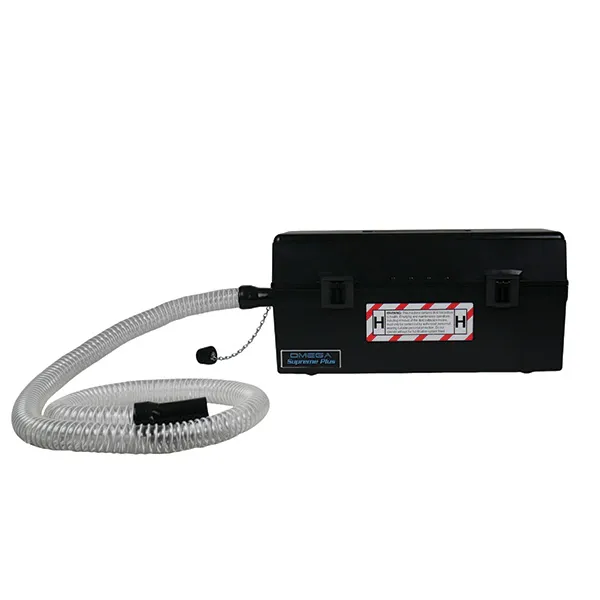
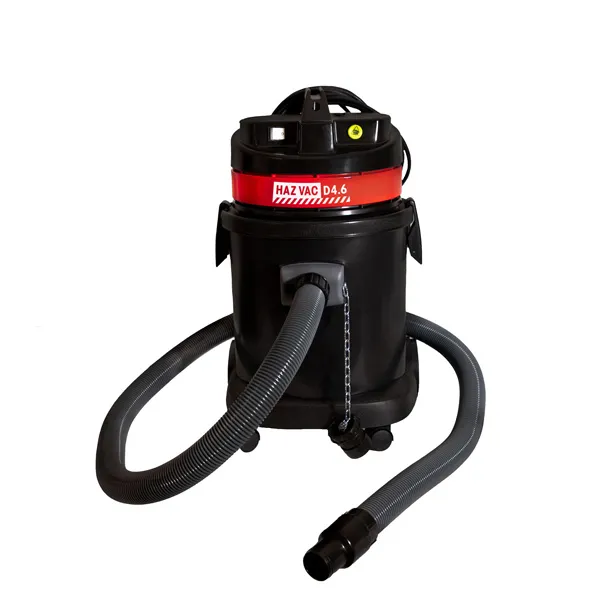
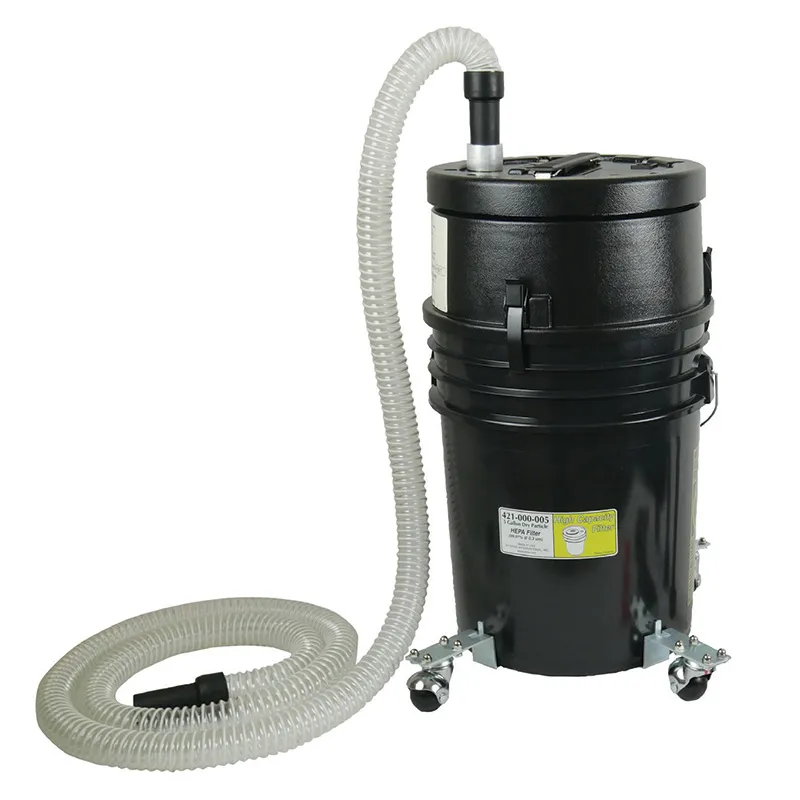
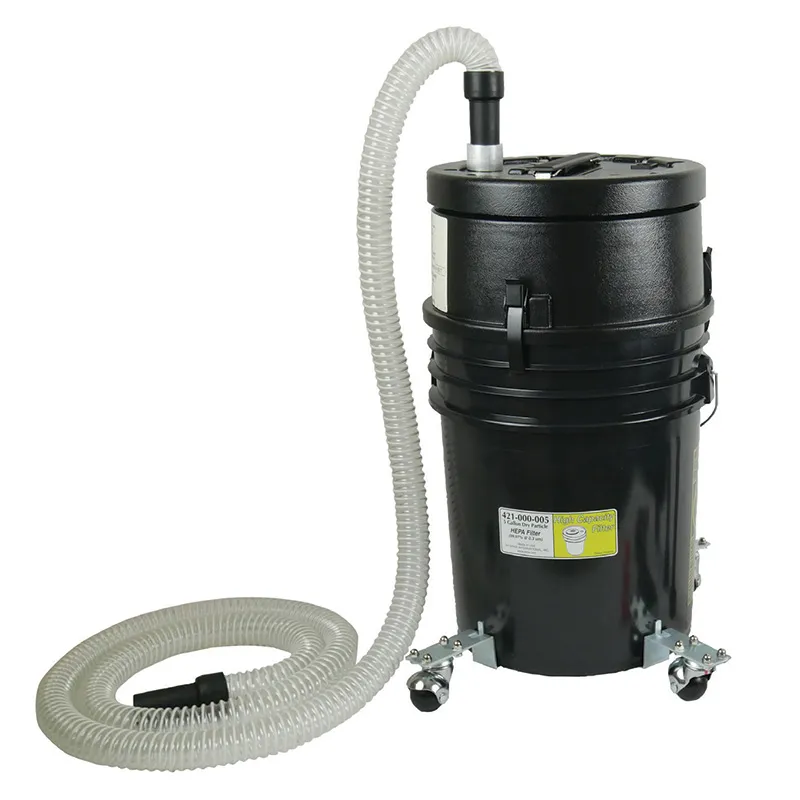
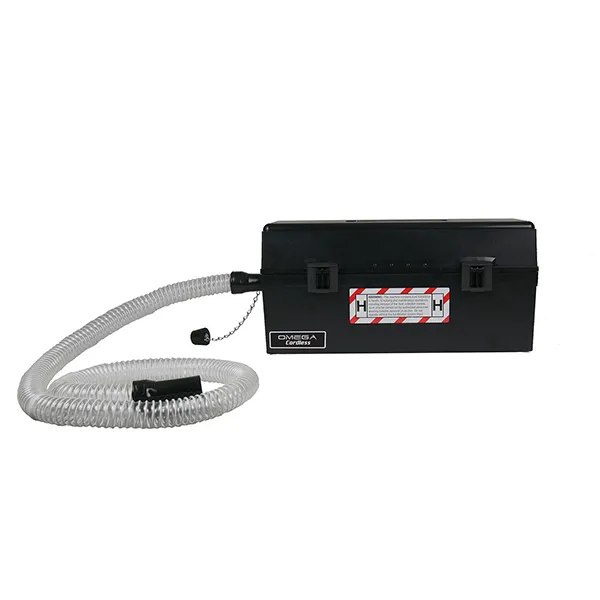
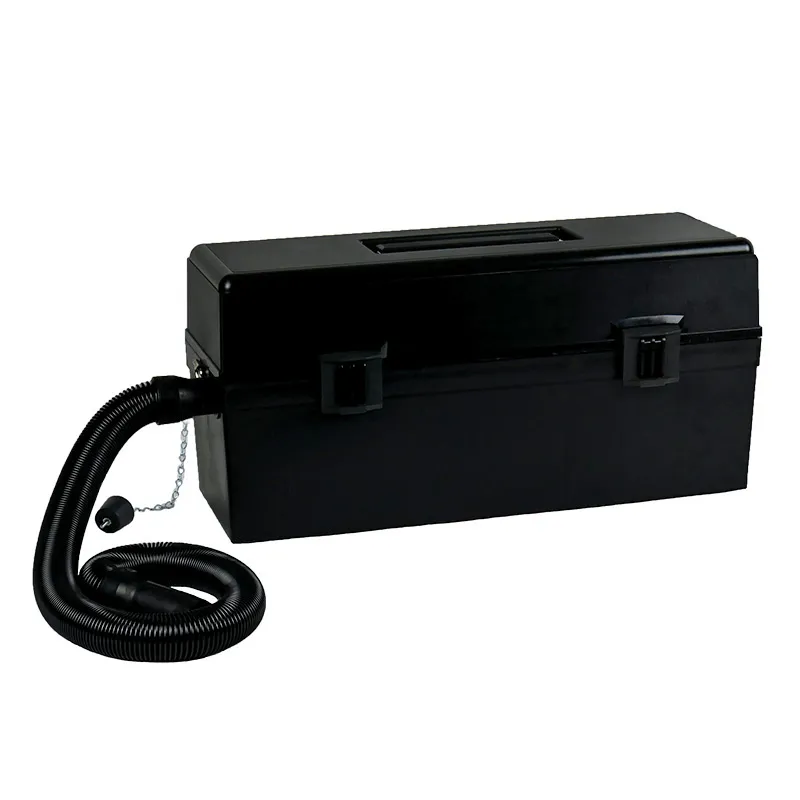
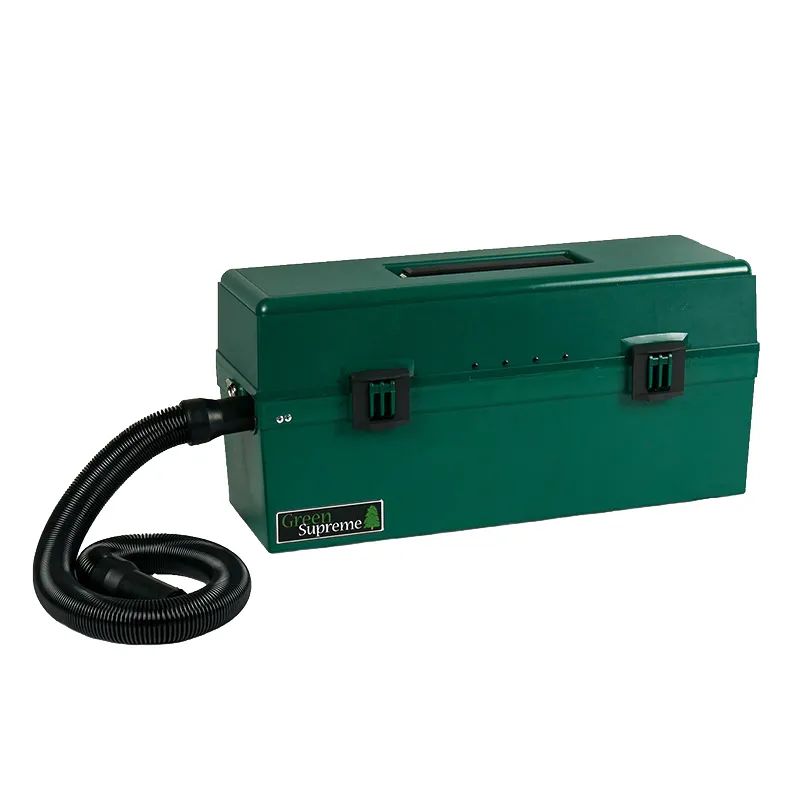
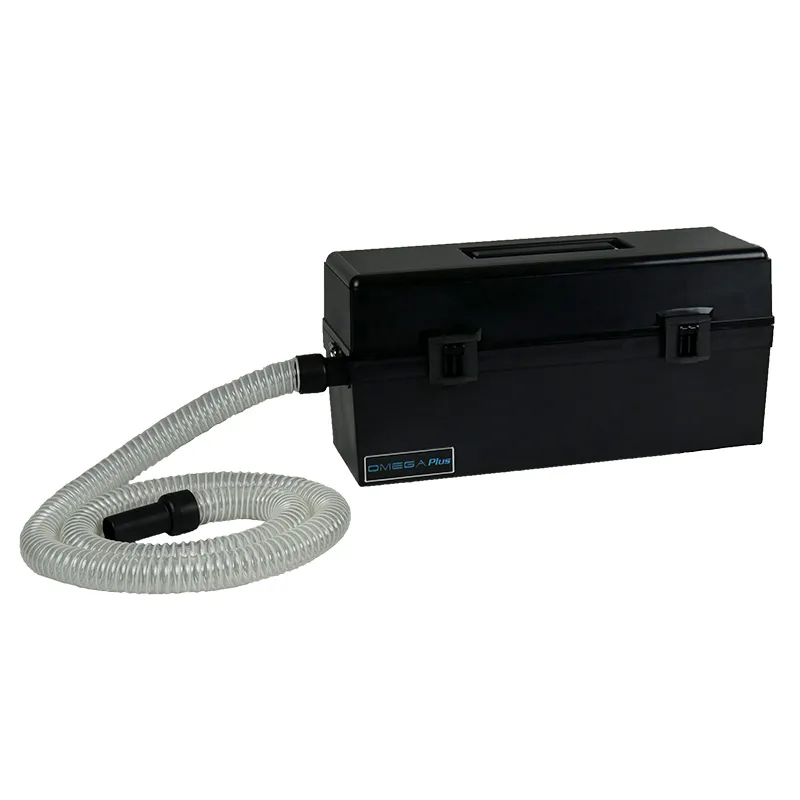
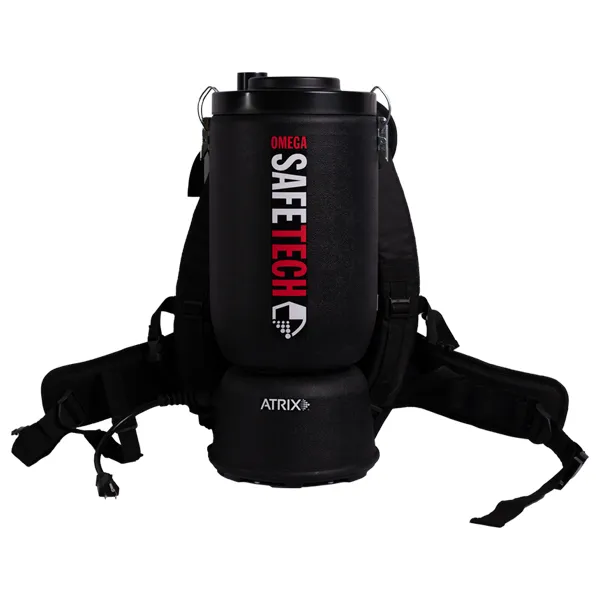
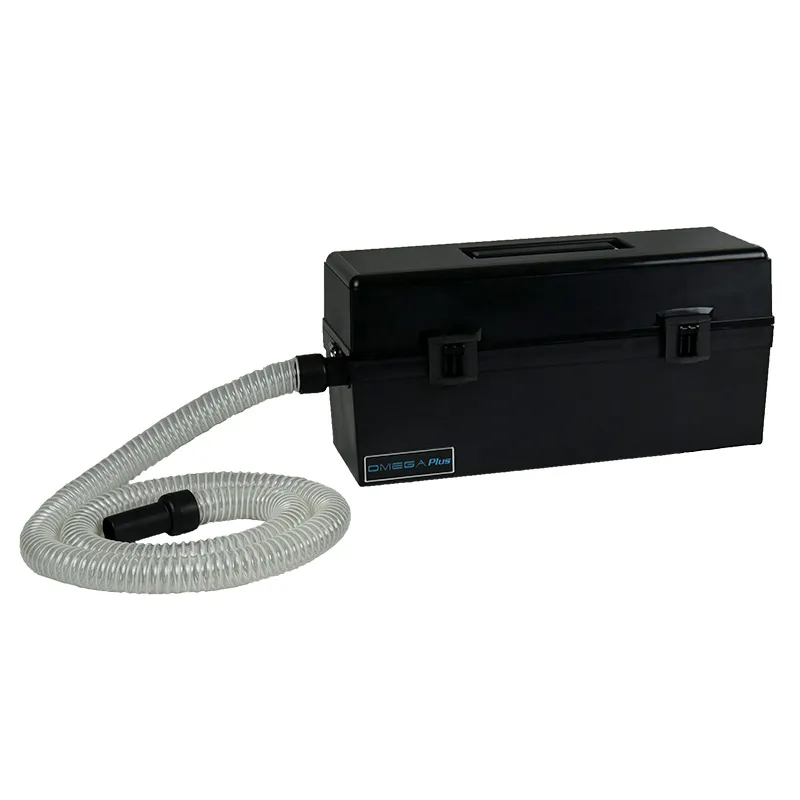
Hazardous particulate vacuums capture and contain dust that must never be released back into the air — asbestos fibres, respirable crystalline silica, lead dust, mould spores and rodent-contaminated debris. Phil Industries supplies the Atrix hazardous particulate range in Singapore, with HEPA and Class H14 filtration and sealed disposal, ex-stock from Ubi.
Why an ordinary vacuum makes hazardous dust worse
A standard vacuum collects dust and then blows the finest fraction straight back out through the motor exhaust. Because the particles that matter most are the ones you cannot see, that exhaust becomes the exposure. Therefore a hazardous particulate vacuum is defined by two things working together: filtration fine enough to trap the fraction, and a disposal path that keeps it trapped.
Match the filtration to the hazard
| Application | Typical hazard | Filtration to specify |
|---|---|---|
| Asbestos removal support | Asbestos fibres | HEPA or Class H14, sealed cartridge |
| Concrete cutting, grinding, drilling | Respirable crystalline silica | HEPA, high capacity |
| Renovation of older buildings | Lead dust and paint debris | HEPA, abatement configuration |
| Water damage and restoration | Mould spores | HEPA, sealed disposal |
| Pest and rodent remediation | Contaminated droppings and nesting | HEPA, immediate containment |
Specifications at a glance
| Property | Detail |
|---|---|
| Filtration classes stocked | HEPA, Class H14 certified and ULPA |
| Containment | Self-contained filter cartridges designed to seal during collection, transport and disposal |
| Formats | Canister, high-capacity, backpack and cordless |
| Power | 230V Singapore supply, plus cordless battery models |
| Regulatory context | Workplace Safety and Health framework; asbestos work is governed by the Workplace Safety and Health (Asbestos) Regulations |
| Availability | Ex-stock Ubi, Singapore — same-day quotation |
Frequently asked questions
What is a hazardous particulate vacuum?
It is a vacuum built to capture dust that is dangerous to breathe and to keep it captured. Filtration is HEPA or Class H14, and the collected material sits in a self-contained cartridge so it can be transported and disposed of without reopening the machine.
Can I use one of these for asbestos work in Singapore?
Equipment alone never makes work compliant. In Singapore, asbestos removal is carried out by contractors approved by the Ministry of Manpower, and the work falls under the Workplace Safety and Health (Asbestos) Regulations, while the National Environment Agency governs disposal of asbestos waste. We supply the vacuums for use within that framework; the licensing, method statement and disposal remain the contractor’s responsibility.
What is the difference between HEPA and Class H14?
Both describe how much of the fine fraction the filter retains, with H14 sitting at the stricter end of the classified range. Consequently H14 is the usual specification where the dust is a recognised health hazard rather than a nuisance, and HEPA is often sufficient for general construction dust.
Do you supply silica dust vacuums for construction sites?
Yes. Respirable crystalline silica comes from cutting, grinding and drilling concrete, so the practical requirements are HEPA filtration and enough tank capacity to last the task. Our high-capacity models suit site work, and we quote the same day.
Do you stock these in Singapore?
Yes. We hold the Atrix hazardous particulate range ex-stock in Ubi and deliver across Singapore. Tell us the contaminant and the environment, and we will specify the filtration class, the format and the correct filter cartridges.
Related reading: our guide to hazardous particulate vacuums for asbestos, silica and lead walks through selection in detail.