⚗️ Across Singapore’s electronics, plating, semiconductor and precious-metals operations, cyanide compounds are still in active use — gold and silver electroplating baths, semiconductor etch processes, and metal-finishing lines. Dry cyanide salts settle as fine powder on benches, tooling and floors.
When that dust has to be cleaned up — after a spill, during housekeeping, or between batches — how it’s collected matters more than most teams realise. 👉 The cleanup method is part of your safety control.
⚠️ The hazard most cleanup procedures overlook
The risk isn’t only inhaling powder during pickup. It’s three-fold:
🌬️ 1. Exposure during pickup — fine dust drawn into the airflow becomes inhalable, right in the operator’s breathing zone.
💨 2. Re-emission through the exhaust — a poorly filtered vacuum becomes a dispersal device, blowing micron-scale particles back into the room.
☠️ 3. Reactivity with moisture & acids — cyanide salts can release hydrogen cyanide (HCN) gas on contact with acid residues or moisture in an unsealed chamber.
A standard shop vacuum — even one labelled “HEPA” — isn’t built for this. Conventional HEPA (H13) is rated 99.97% at 0.3 micron, but a real fraction of disturbed cyanide dust sits below that size. 🎯
🔬 HEPA vs ULPA — the filtration gap
ULPA (Ultra Low Penetration Air) is a step tighter than standard HEPA — higher efficiency, at a smaller particle size:
| Filter grade | Efficiency | Rated particle size |
|---|---|---|
| HEPA (H13) | 99.97% | 0.3 micron |
| HEPA (H14) | 99.995% | 0.3 micron |
| ✅ ULPA (H14, Class H) | 99.999% | 0.12 micron |
📋 The certification that makes equipment defensible
In Europe — and increasingly across Asia — the recognised standard for hazardous-dust vacuums is IEC/EN 60335-2-69, Annex AA, which defines three dust hazard classes:
- 🟢 Class L (Low) — non-hazardous nuisance dust
- 🟡 Class M (Medium) — wood dust, gypsum, soft plastics
- 🔴 Class H (High) — carcinogenic, toxic & pathogenic dusts: asbestos, lead, silica, mould, and toxic salts such as cyanides
A Class H certified vacuum is independently tested for filtration efficiency, zero leakage at every joint and gasket, safe filter change-out, and sealed containment inlet-to-exhaust. Without it, even an ULPA vacuum is a claim — not a verified system.
♻️ Immediate Containment — why bags fail and cartridges don’t
❌ Bag-based vacuums
Operator opens the chamber and pulls a full bag — releasing trapped dust at the exact moment of handling. Maximum exposure.
✅ Immediate Containment
Dust is sealed inside a cartridge. A retention plug seals the inlet before removal. The whole unit is disposed of sealed — no manual contact.
For a cyanide cleanup, that’s the difference between a clean change-out and a contamination event.
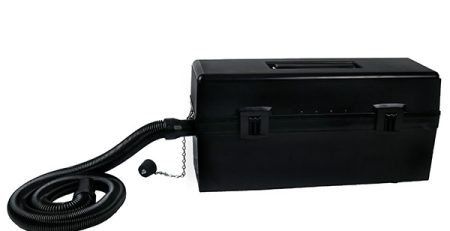
🛠️ Why we recommend the Atrix Omega Cordless Class H14
For clients handling cyanide, fluoride compounds and heavy-metal salts in lab, semiconductor and metal-finishing environments, the Atrix VACO22VUM2F brings filtration and certified containment into one cordless unit:
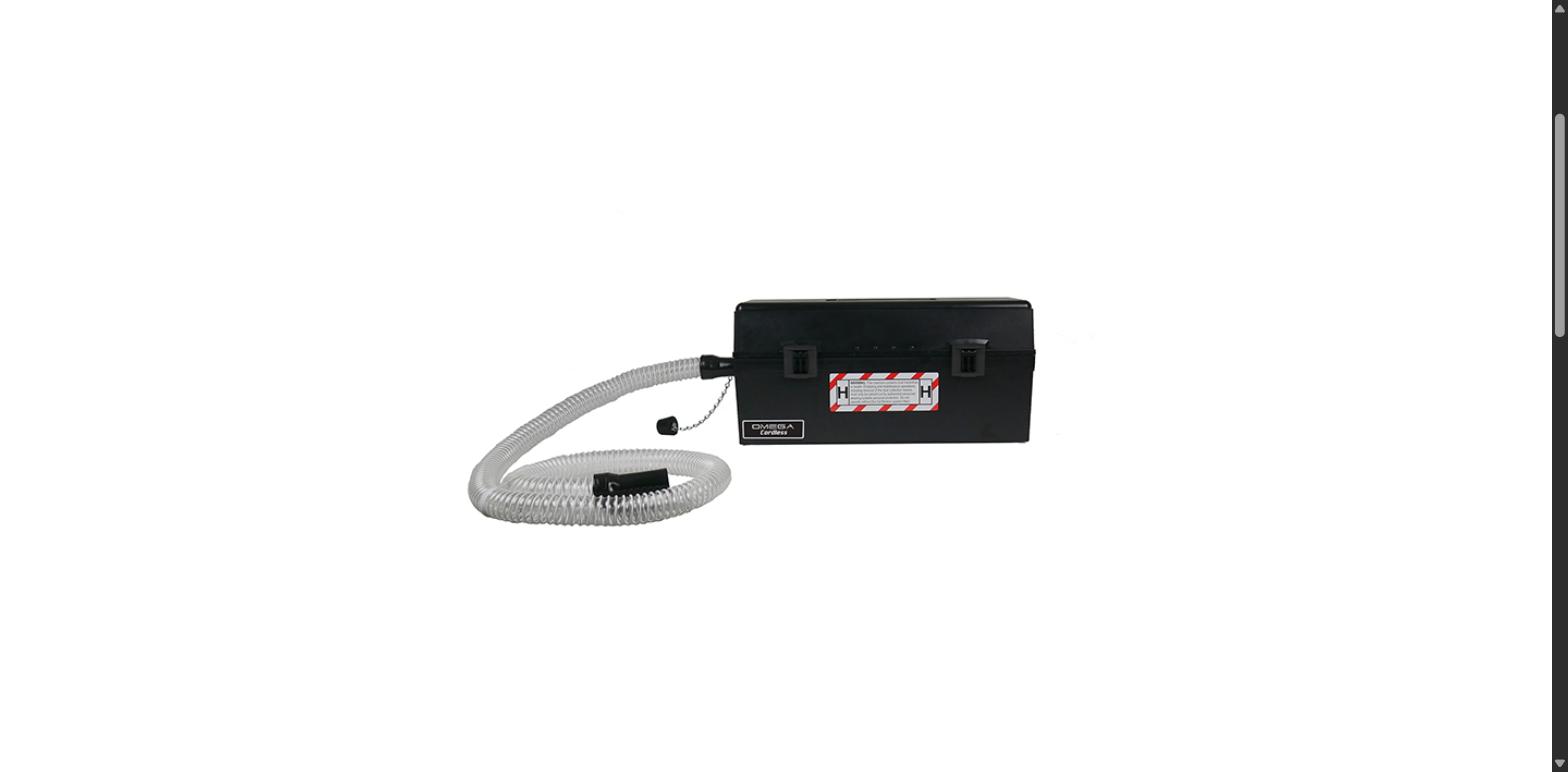
- ✅ H14 ULPA (SafeGuard 360) filtration — 99.999% efficient at 0.12 micron
- 📜 Certified to IEC/EN 60335-2-69 Annex AA – Class H — independently tested
- 🔒 SafeGuard 360 cartridge (OF712UL) — immediate-containment with permanently attached retention plug
- 🔋 Cordless 22V DC brushless motor — no cord trailing through a contaminated zone
- 💡 Full-filter indicator light — no guesswork on cartridge changes
- ⏱️ 30+ min runtime, ~1-hr recharge — shift coverage, extendable with a spare battery
- 🧰 Self-contained, decontaminable accessories — stored inside the unit
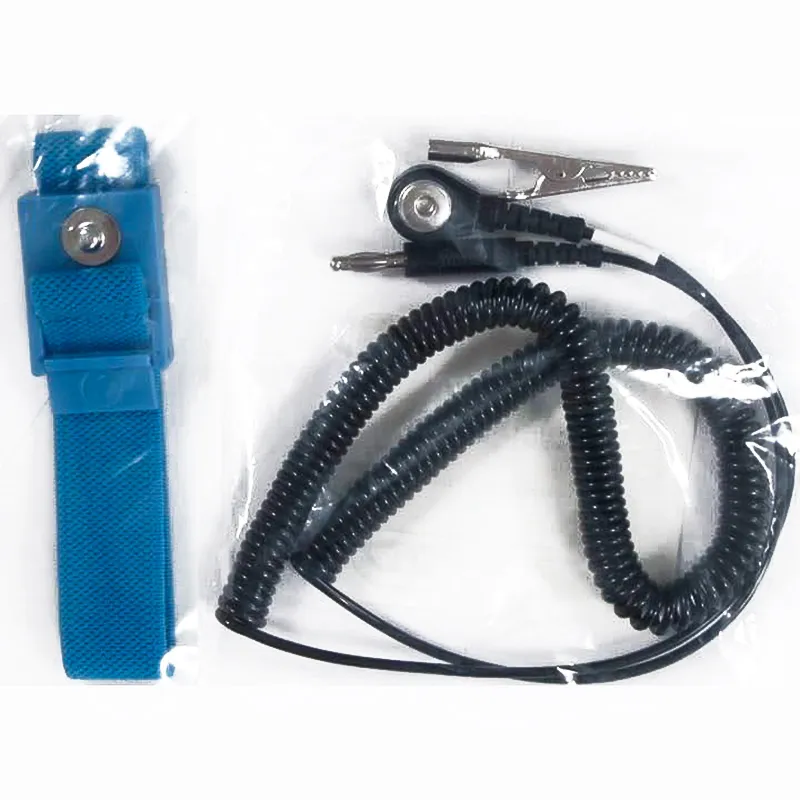
- 🏭 ESD-safe & cleanroom-rated — suitable for ISO 5 to ISO 8 environments
♻️ The operational picture
The single OF712UL ULPA cartridge is both the working filter and the disposal unit:
- 🟢 Light use (occasional bench wipe-down): one cartridge lasts ~3–6 months
- 🟡 Moderate use (daily process-dust collection): ~1–3 months
- 🗑️ Disposal: spent cartridges are sealed, double-bagged, and removed as toxic industrial waste via an NEA-licensed Toxic Industrial Waste Collector
🎯 The one-sentence compliance answer
When QA or your auditor asks “how do you safely vacuum that area?” —
✅ “With a Class H certified ULPA vacuum, IEC/EN 60335-2-69 Annex AA tested.” → conversation over.
❌ “With a HEPA vacuum.” → it isn’t.
📞 Talk to us about your application
Phil Industries Pte Ltd is the Singapore distributor for Atrix International — Class H certified hazardous-particulate vacuums for lab, semiconductor, electronics and industrial use.
For advice, a demo or a quote on the Omega Cordless Class H14 (VACO22VUM2F):
📱 WhatsApp: +65 9853 9030
☎️ Tel: +65 6555 1745
✉️ Email: kenneth@phil-industries.com.sg
👉 Browse our Atrix HEPA & ESD vacuum range or Critical Area vacuums.
See also our Singapore guide to hazardous particulate vacuums — asbestos, silica and lead, and how to choose between certified Class H and immediate-containment units.
Need a Class H or ULPA machine in Singapore? See our hazardous particulate vacuums — sealed cartridge containment, 230V Singapore supply, held ex-stock in Ubi with replacement cartridges available locally. Tell us the contaminant and we will specify the filtration class and the consumables.