Key takeaways
- ESD damage is often latent, so a device survives assembly and then fails in the field weeks later.
- A compliant EPA grounds everything a device touches, which means the person, the surface, and the floor all bond to one common point.
- The most-missed gaps are untested wrist straps, isolated insulators, and the operator chair.
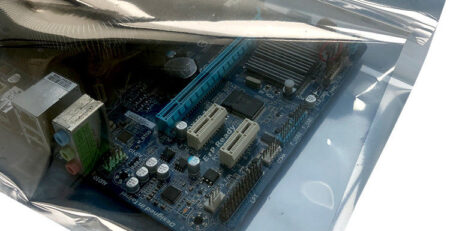
Electrostatic discharge rarely announces itself. A component can take a static hit during handling, pass every functional test, and then fail in the field weeks later. Because that latent damage hides so well, ESD control is not about one mat; it is about the whole loop, whether you build electronics, medical devices, or OEM assemblies.
What are the 6 weak points?
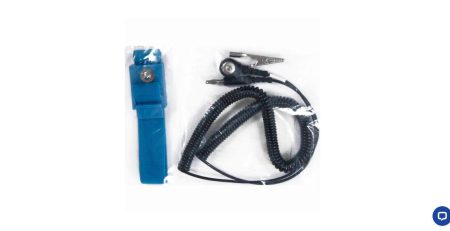
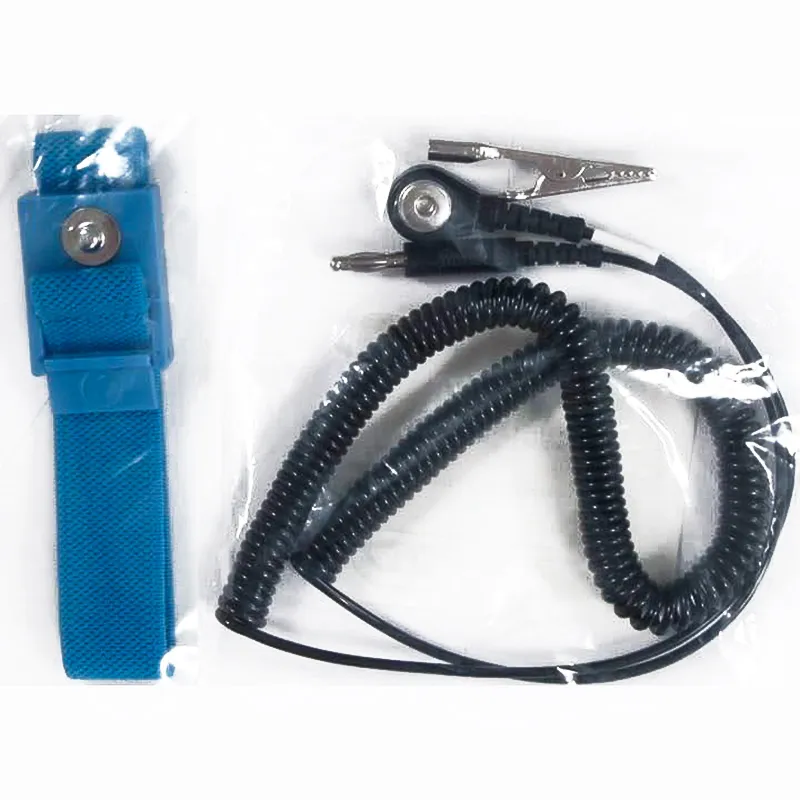
- Wrist straps that are worn but never tested. A strap only works when its path to ground is intact, so test daily before work or fit continuous monitors.
- The chair nobody grounded. Operators lean, shift, and touch boards all day; an ESD chair with conductive castors closes a path most lines forget.
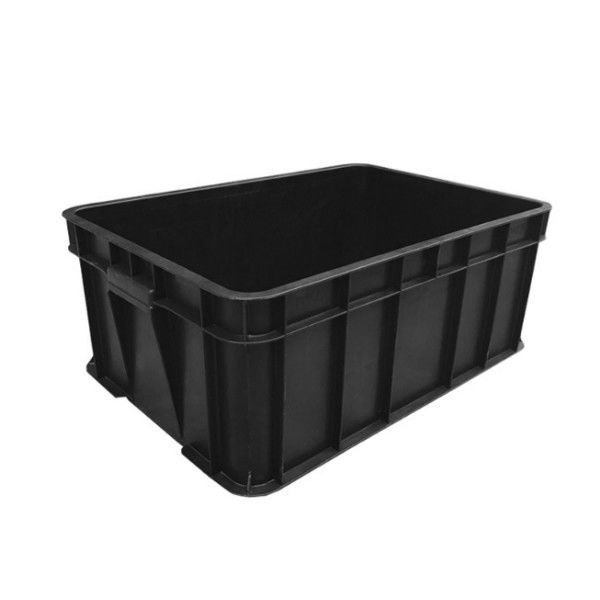
- Isolated conductors and insulators. Tape rolls, plastic bins, and bottles hold charge that a wrist strap cannot drain, and that is where ionizers earn their place.
- Floor and footwear treated as optional. For standing or mobile work, ESD flooring plus heel straps carry a person charge away when they are not strapped in.
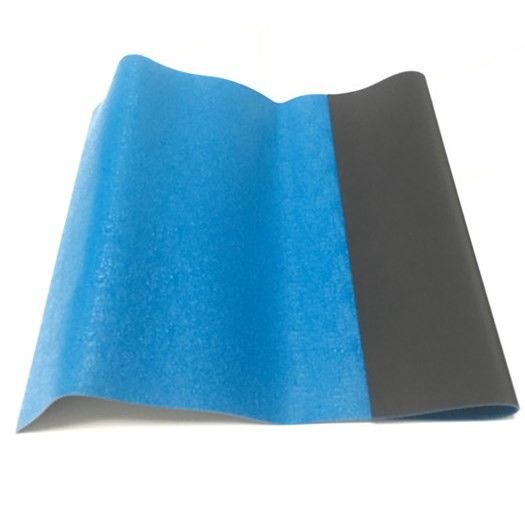
- A mat grounded to nothing. An ESD mat must connect to a common ground point, not just sit on the bench looking the part.
- No common ground point. ANSI/ESD S20.20 hinges on everything bonding to one ground, so the person, mat, and shelf all sit at the same potential.
How should the ground loop connect?
Think of the EPA as a single loop: person, then wrist strap or footwear, then a common ground point, which in turn bonds to the worksurface mat and the equipment ground. Therefore, if any link in that loop is broken or untested, the bench is not protecting your boards.
What this means for your line
Audit the loop, not the mat. For example, Phil Industries supplies the full workbench chain, including Bimos ESD chairs, ESD wrist straps, and the wider range of ESD products, so you can check yourself against S20.20 rather than patch one gap at a time.
Frequently asked questions
What is an EPA in ESD? An ESD Protected Area, which is a defined zone where all surfaces, people, and equipment ground to a common point.
How often should ESD wrist straps be tested? At least daily before work, or continuously with a constant monitor.
Does ANSI/ESD S20.20 require ionizers? Where you cannot remove or ground an insulator or isolated conductor, ionization is the accepted way to neutralise the charge.
Building or auditing an ESD workbench for electronics, medical, or OEM production? Contact Phil Industries at kenneth@phil-industries.com or WhatsApp +65 9853 9030.