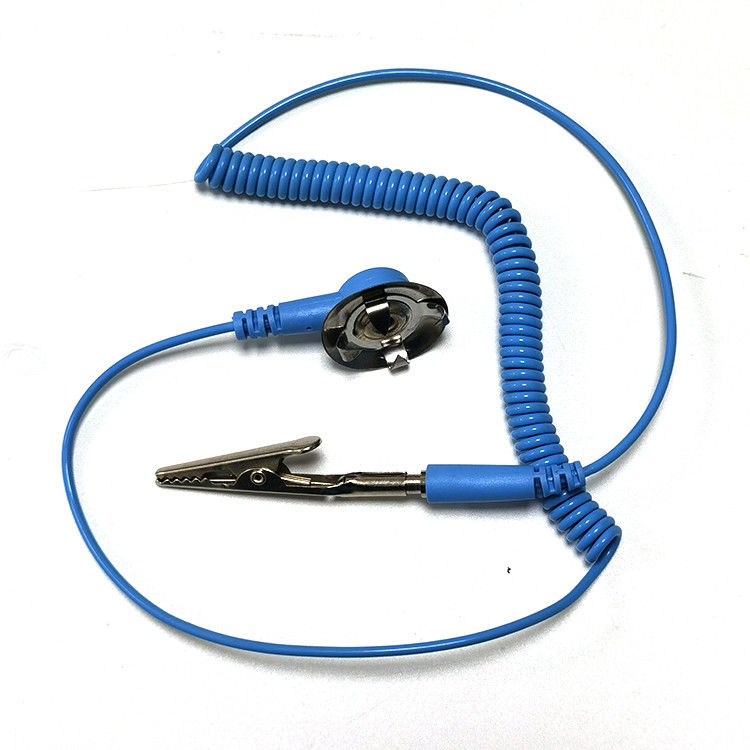
ESD products protect static-sensitive components from electrostatic discharge — the invisible damage that kills yield. A working ESD control programme is a system, not a single product: the operator, the bench, the floor and the packaging all need to be at the same potential. Phil Industries supplies the full ESD range in Singapore ex-stock, serving semiconductor, electronics and cleanroom manufacturers since 2009.
Building an EPA (Electrostatic Protected Area)
| Layer | What it does | Products |
|---|---|---|
| Ground the person | Drains charge from the operator continuously | Wrist Straps, ESD Shoes, ESD Gloves |
| Ground the workstation | Gives charge a controlled path to earth | Rubber Mats, Workbenches, Grounding & Earthing |
| Dress the person | Stops garments generating charge | ESD Clothing, ESD Fabric |
| Handle safely | Tools that don’t generate or hold charge | ESD Safe Tools, ESD Safe Materials |
| Transport & store | Shields devices outside the EPA | Packaging, Storage Boxes & Bins |
| Keep it clean | Particle control in the same space | Cleanroom Consumables, Wipers, Sticky Mats |
The ESD basics
Conductive (< 1×10⁴ Ω) — charge moves fast; used for flooring, some tools.
Dissipative (1×10⁴ – 1×10¹¹ Ω) — charge bleeds away in a controlled way; the standard for mats, chairs and garments.
Insulative (> 1×10¹¹ Ω) — holds charge; keep ordinary plastics out of the EPA.
Shielding — Faraday-cage packaging that protects devices from external fields in transit.
Standards that matter
ANSI/ESD S20.20 — the ESD control programme standard most SG electronics manufacturers work to.
ANSI/ESD STM12.1 — chair resistance; S7.1 flooring; S4.1 worksurfaces.
IEC 61340-5-1 — the international equivalent programme standard.
Most requested ESD products in Singapore this quarter
Because buyers usually arrive looking for one specific item, here are the ranges Singapore procurement teams ask us for most often, so you can jump straight to them:
- ESD grounding accessories and anti static grounding kits, for example earth bonding plugs and common point ground cords.
- ESD storage boxes, bins and tote boxes, conductive and dissipative, with lids and PCB racks.
- ESD wrist straps and the HZR-171 wrist strap tester, so daily checks under ANSI/ESD S20.20 are covered.
- ESD rubber mats and anti static mats, cut to size in Ubi.
- Anti static flooring tiles for whole-room EPA floors.
- ESD safety shoes and anti static gloves for operators.
- Atrix ESD vacuum cleaners, because an ordinary vacuum is a static hazard on the line.
- Cleanroom consumables: cleanroom sticky rollers, sticky mats and cleanroom wipers and wiper rolls.
Frequently asked questions
What does ESD-safe actually mean?
It means the item is conductive or static-dissipative and, when properly grounded, gives charge a controlled path to earth rather than allowing it to build and discharge into a component.
Do I need everything, or just wrist straps?
Grounding the operator is the single biggest win, but an EPA is a system — the bench, floor, garments, tools and packaging all matter. Charge simply finds the weakest link.
Dissipative or conductive — which do I choose?
Dissipative is the norm for surfaces people touch (mats, chairs, garments) because it bleeds charge away in a controlled way. Conductive is used where fast, low-resistance grounding is needed.
Do you supply ESD products across Singapore?
Yes — ex-stock from our Ubi warehouse with delivery across Singapore and Southeast Asia. Call +65 6555 1745.
Setting up or auditing an EPA? Call +65 6555 1745 or WhatsApp +65 9853 9030 and we’ll help you spec it layer by layer.
Do you supply ESD supplies and ESD equipment as well as individual products?
Yes. “ESD supplies,” “ESD equipment” and “static control products” all point to the same need: building a working electrostatic protected area rather than buying one item. Because an EPA only performs at the level of its weakest link, we supply the full chain — grounding and earthing accessories, bench and floor matting, ESD packaging and storage, garments, footwear and test equipment. Tell us the workstation and we will specify the set that actually earths together.
How do you clean an EPA without generating static?
Housekeeping belongs inside the EPA, not outside it. An ordinary vacuum cleaner is itself a static generator, because air and particles moving through an insulative hose build charge exactly where you least want it. Therefore cleaning equipment counts among your ESD products too: an ESD-safe vacuum uses a dissipative housing and a grounded hose, so toner and debris leave the bench without a discharge. Browse ESD, electronics and toner vacuums, or read what makes a vacuum ESD safe first.
Electrostatic discharge accessories — what this range covers
Searching for electrostatic discharge accessories, anti static supplies or ESD supplies in Singapore brings you to the same place. Electrostatic discharge (ESD) is the sudden transfer of charge between two objects at different potentials, and it damages semiconductors long before a person can feel it. The accessories below are the control measures that stop it happening on a production floor.
The main groups
- Grounding and earthing — wrist straps, cords, grounding kits, common point grounds.
- Anti static matting — bench and floor mats that dissipate charge to earth.
- Storage and packaging — anti static boxes, bins, totes, shielding bags.
- Garments and gloves — coats, smocks, anti static gloves and finger cots.
- Cleanroom consumables — wipers, sticky mats and rollers.
Together these form an EPA (ESD Protected Area). The requirements are set out in IEC 61340-5-1 and ANSI/ESD S20.20, which specify grounding, personnel and packaging controls rather than any single product. If you are setting up an EPA from scratch, tell us the bench count and we will list what a compliant workstation needs.
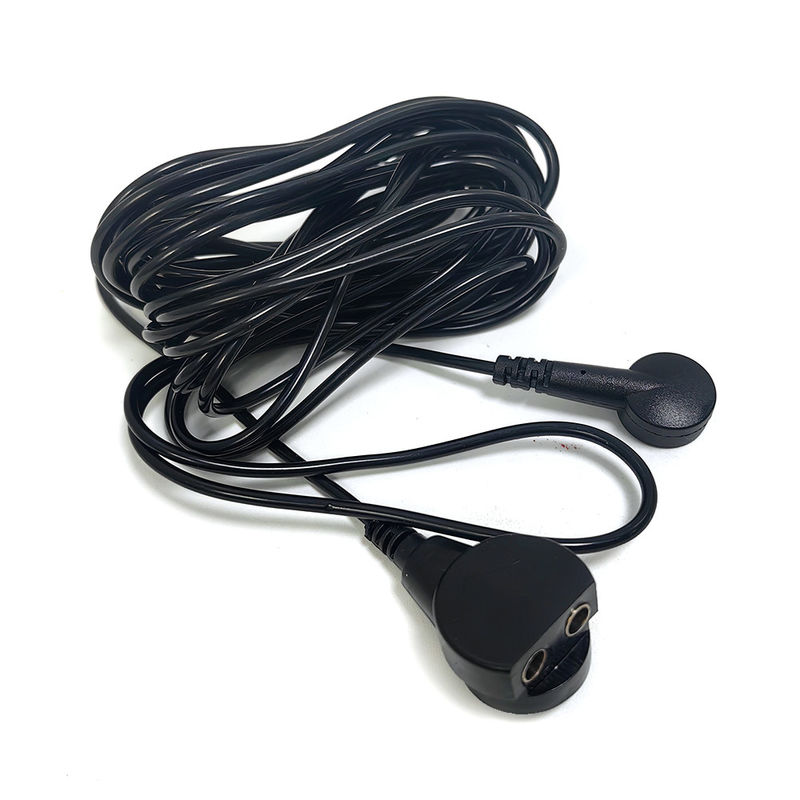
ESD Grounding & Earthing Accessories
45 products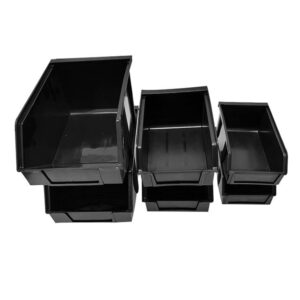
ESD Storage Boxes, Bins & Trays
33 products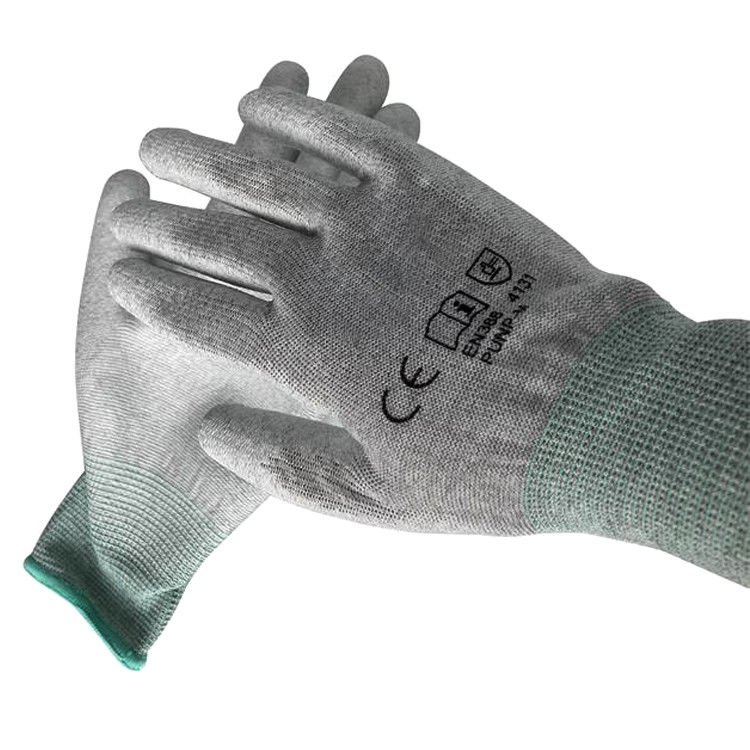
Anti Static Gloves
65 products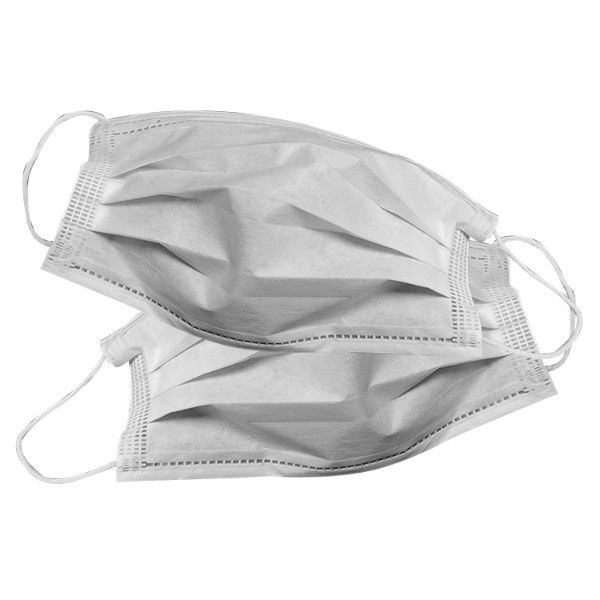
Cleanroom Consumables
56 products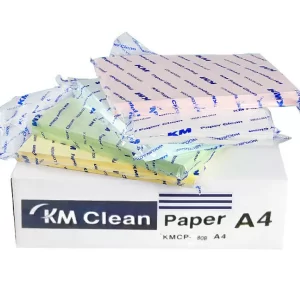
Cleanroom Paper
22 products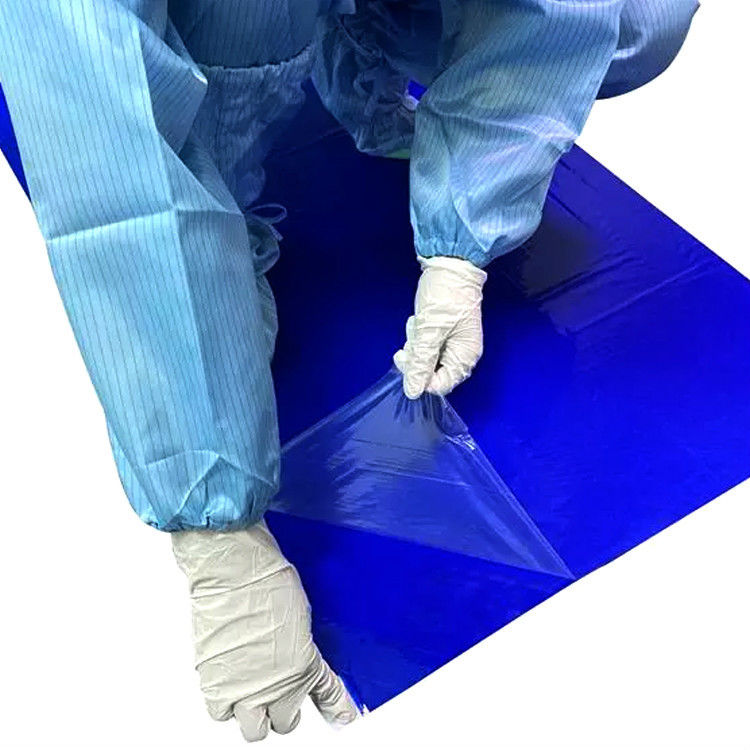
Cleanroom Sticky Mat
18 products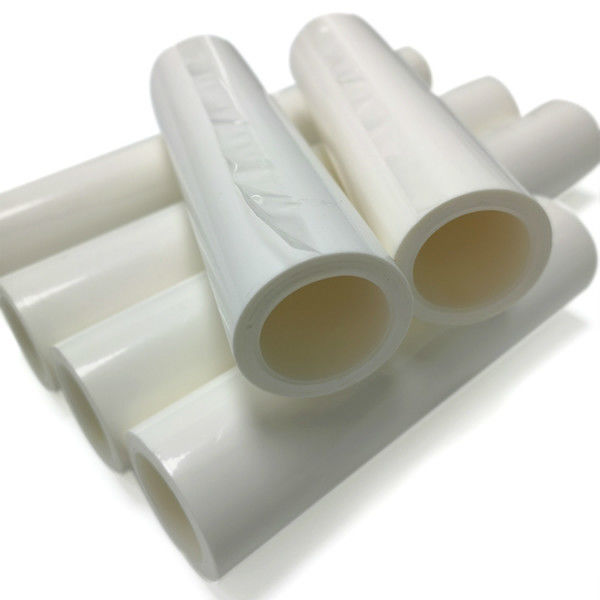
Cleanroom Sticky Roller
33 products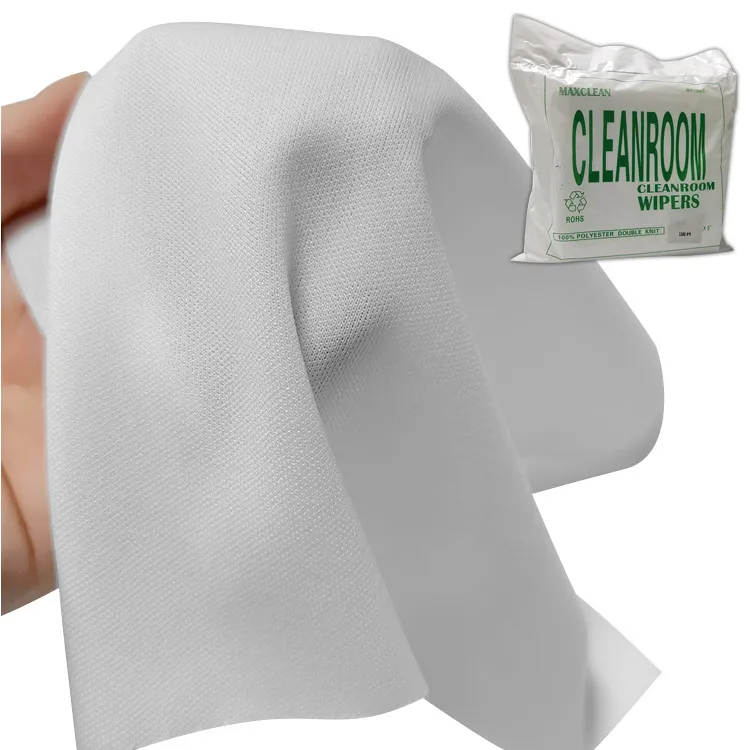
Cleanroom Wiper
35 products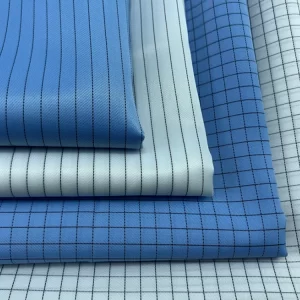
ESD Fabric
73 products
ESD Packaging Materials
168 products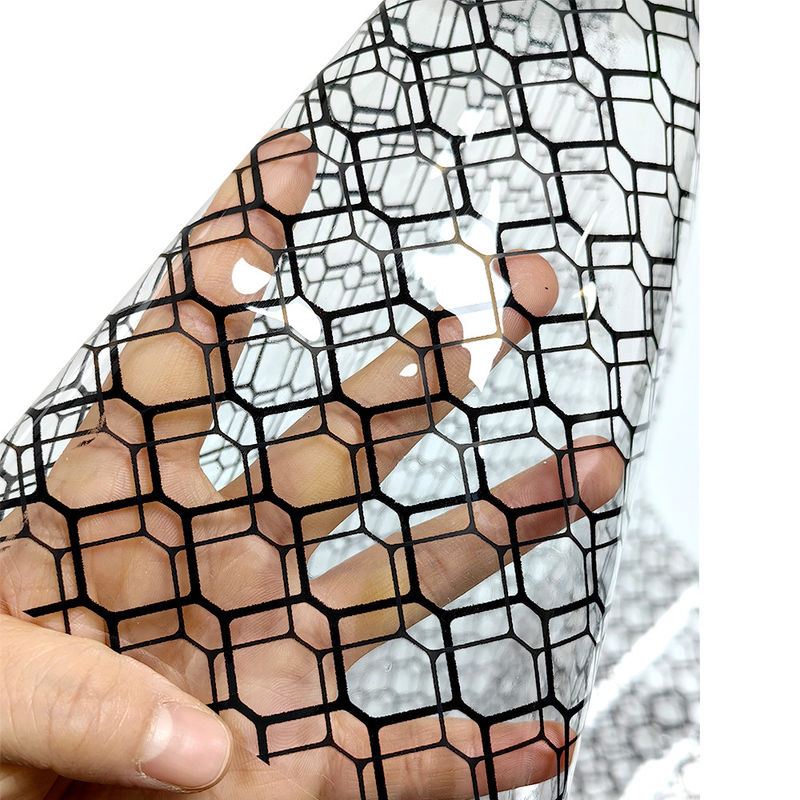
ESD Rubber Mat
38 products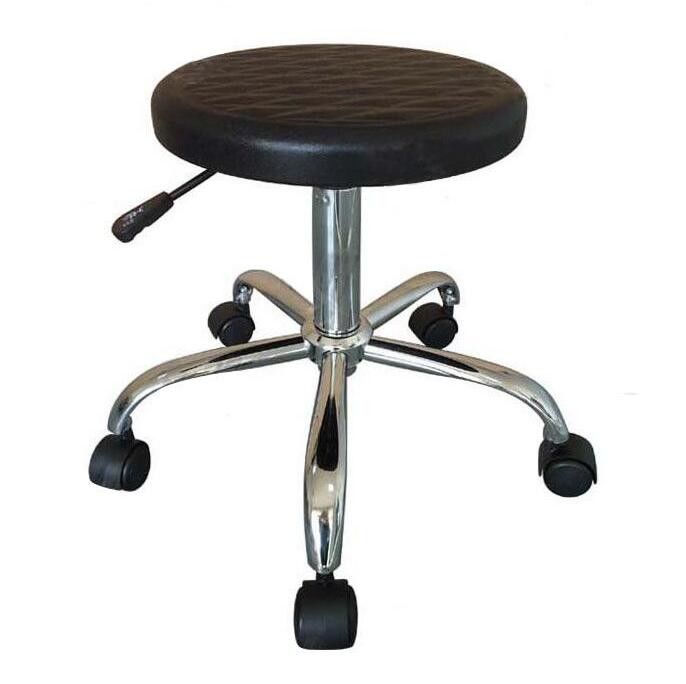
ESD Safe Chairs
45 products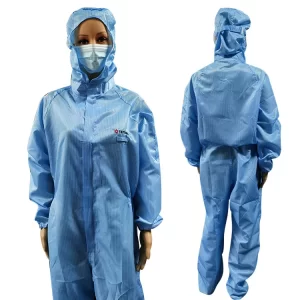
ESD Safe Clothing
129 products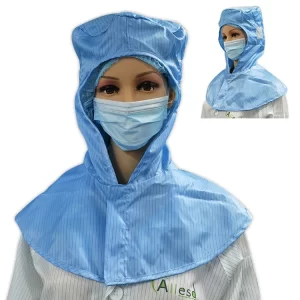
ESD Safe Materials
77 products
ESD Safe Tools
199 products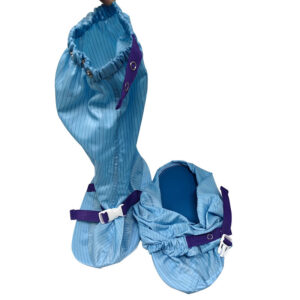
ESD Safety Shoes
100 products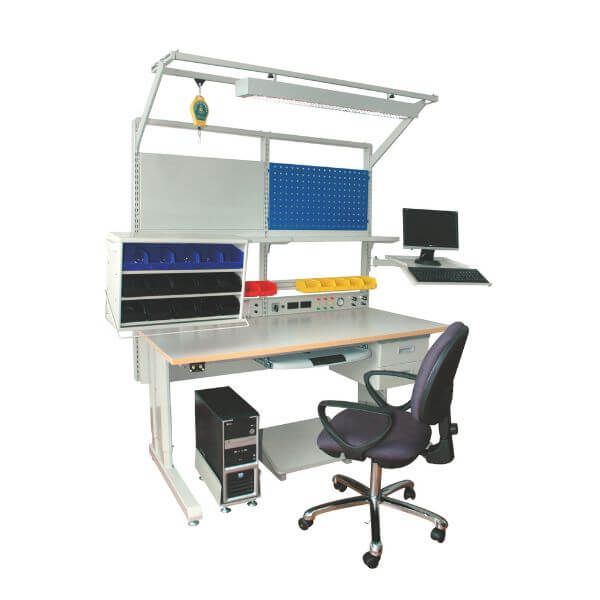
ESD Workbenches
14 products