Key takeaways
- Good Distribution Practice (GDP) requires medicines to stay within their labelled temperature range from factory to patient, with continuous monitoring and documented mapping.
- Temperature mapping finds the hot and cold spots in a store or fridge before you place calibrated data loggers, so you monitor the worst case rather than the average.
- Mean kinetic temperature (MKT) turns a series of readings into one figure that reflects cumulative heat stress, which is how you judge whether a short excursion actually matters.
A vaccine that spent two hours at the wrong temperature can look perfectly fine and still be compromised. Because temperature is a quality attribute in pharma, not a comfort setting, Good Distribution Practice treats every fridge, warehouse, and shipment as something you must prove stayed in range, rather than something you hope did.
What does GDP actually require you to monitor?
GDP requires that medicinal products are stored and transported within the conditions stated on their label, with continuous temperature monitoring and, where relevant, humidity control. Because the label is the rule, your task is to demonstrate the product never left that window, using calibrated instruments and retained records.
| Storage term | Typical range | Common use |
|---|---|---|
| Refrigerated | 2°C to 8°C | Vaccines, insulin, many biologics |
| Cool | 8°C to 15°C | Selected products |
| Controlled room temperature | 20°C to 25°C (excursions 15–30°C; MKT ≤25°C) | Most tablets and general medicines |
| Freezer | -25°C to -10°C (down to about -70°C for some biologics) | Certain vaccines and biologics |
Definitions per USP General Chapter <659>; always follow the product label.
Why map before you monitor?
Temperature mapping identifies the warmest and coldest points in a room or unit before you fix your loggers, so your sensors sit where excursions actually happen. In addition, regulators expect you to repeat mapping after any change to layout, load, or HVAC.
What is mean kinetic temperature, and why use it?
Mean kinetic temperature (MKT) is a single calculated temperature that weights higher readings more heavily, reflecting the extra chemical stress that heat causes. Therefore it lets you judge a brief excursion in context rather than reacting to every momentary spike, provided your procedure defines the limits.
What this means for your line
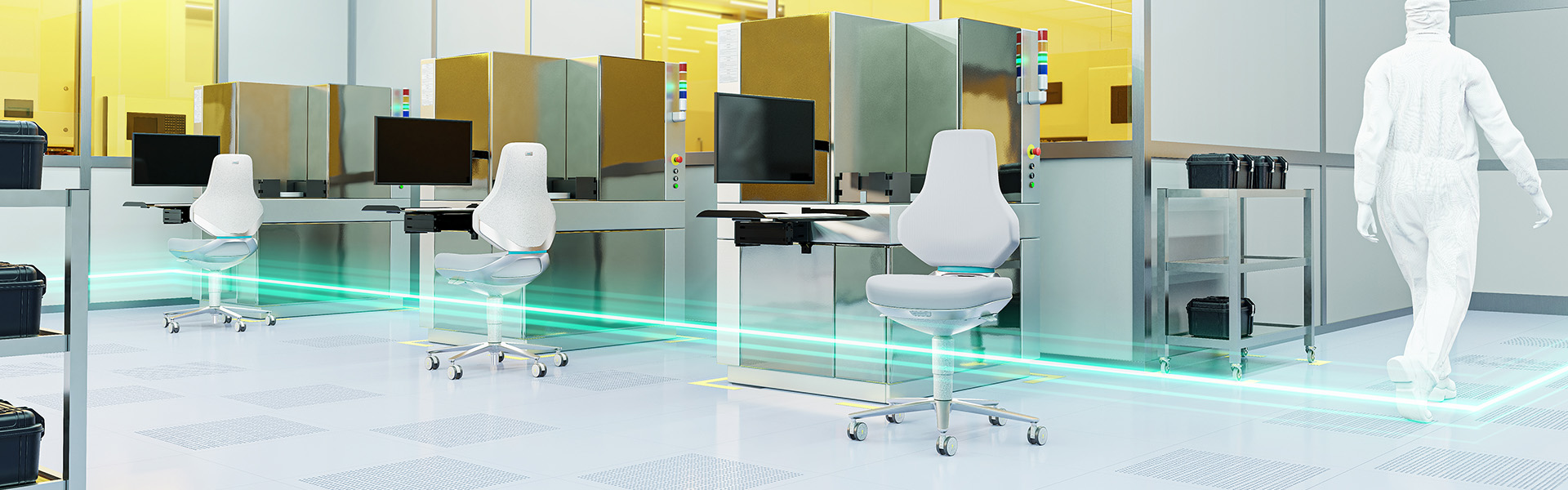
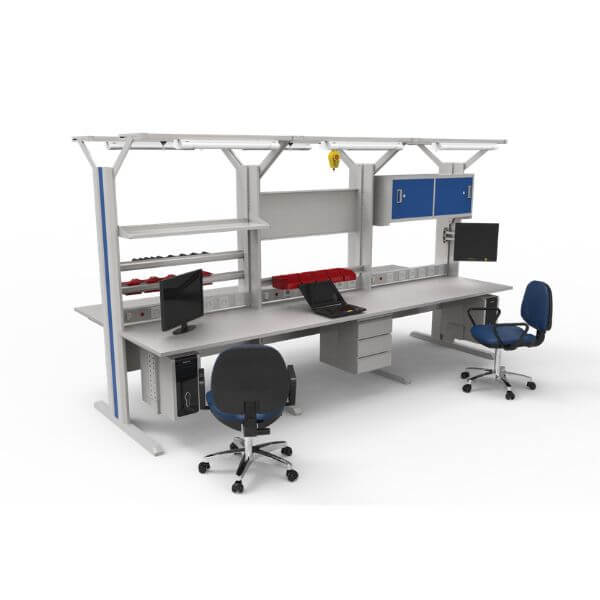
From a single fridge to a full warehouse, the toolkit is the same: calibrated data loggers, defined alarm limits, and records you can hand an auditor. For example, Phil Industries supplies environmental monitoring through Dickson, alongside the cleanroom consumables and cleanroom furniture that support a controlled storage area.
Frequently asked questions
What is GDP in pharma? Good Distribution Practice, the quality standard for storing and transporting medicines so they reach patients within their approved conditions.
How often should a pharmacy fridge or store be mapped? Map it on installation and again after any significant change to load, layout, or HVAC, then monitor continuously in between and follow your local regulator schedule.
Do data loggers need calibration? Yes; only calibrated, traceable instruments produce records you can defend in an audit.
Planning temperature monitoring for a pharma store or cold chain in Singapore? Contact Phil Industries at kenneth@phil-industries.com or WhatsApp +65 9853 9030.