Key takeaways
- An ISO Class 5 cleanroom allows only 3,520 particles at or above 0.5 microns per cubic metre, while ordinary office air holds tens of millions.
- On advanced nodes, a single sub-micron particle on a wafer can kill a die, so contamination is a leading cause of yield loss.
- The fix is layered: control people, control surfaces, and clean with ESD-safe, HEPA-filtered equipment rather than ordinary vacuums.
In semiconductor fabs, the enemy is invisible. A particle smaller than a bacterium can land on a wafer and turn a good die into scrap. Because that loss multiplies across a wafer, contamination stops being a housekeeping issue and becomes a yield problem with a dollar figure. The same discipline protects pharma and medical-device production, where a stray particle can fail a batch.
How clean is a semiconductor cleanroom, really?
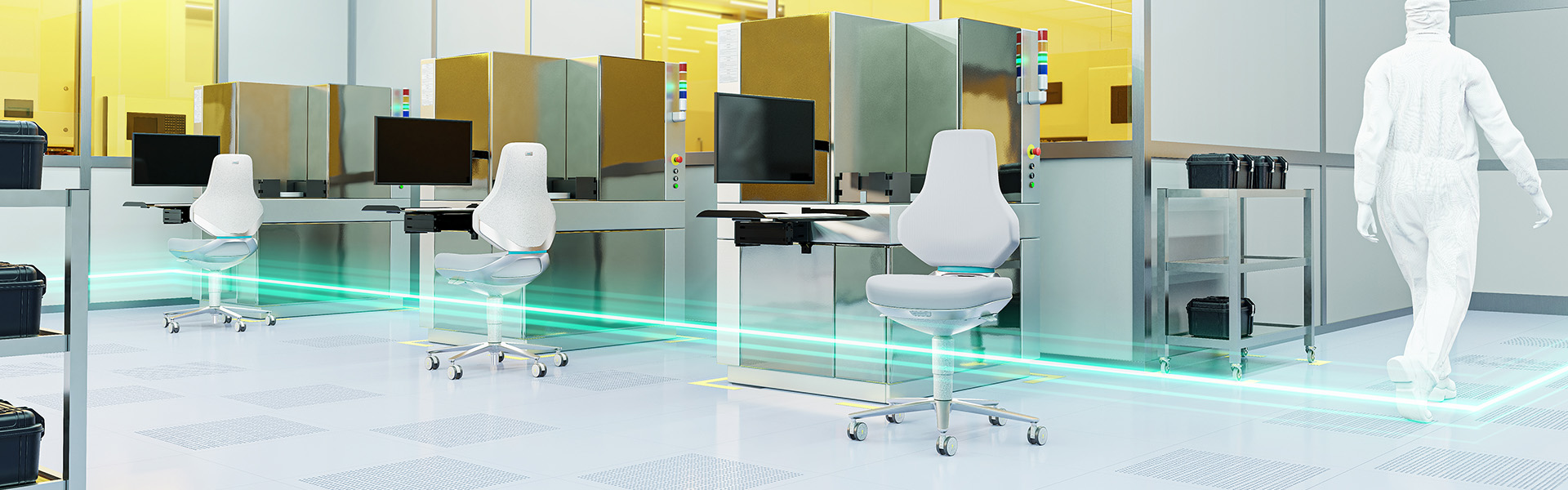
ISO 14644-1 classifies cleanrooms by how many particles are allowed per cubic metre, and the limits are strict. Wafer processing typically runs in ISO Class 5 or cleaner, which permits just 3,520 particles at or above 0.5 microns per cubic metre compared with tens of millions in normal room air.
| Class | Max particles ≥0.5µm / m³ | Typical use |
|---|---|---|
| ISO 5 | 3,520 | Wafer processing, photolithography |
| ISO 6 | 35,200 | Support / less-critical process areas |
| ISO 7 | 352,000 | Gowning, assembly |
| ISO 8 | 3,520,000 | General controlled area |
What does contamination actually cost?
Contamination shows up as yield loss, which includes scrapped wafers, rework, and failed reliability tests. Moreover, the cost compounds because the source often is not found for days, so on high-value nodes even a fraction of a percent of yield is significant money.
How do you keep particles out?
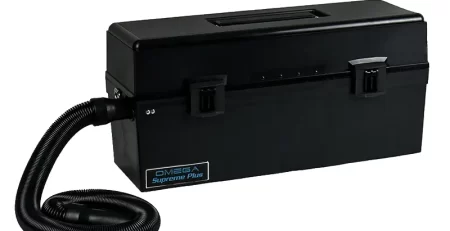
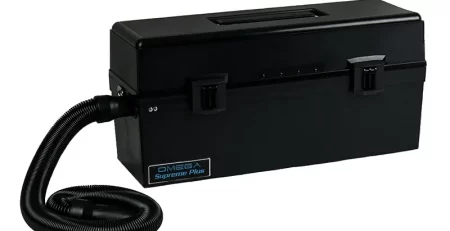
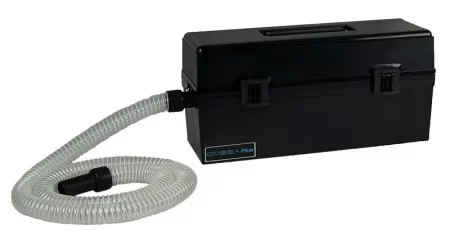
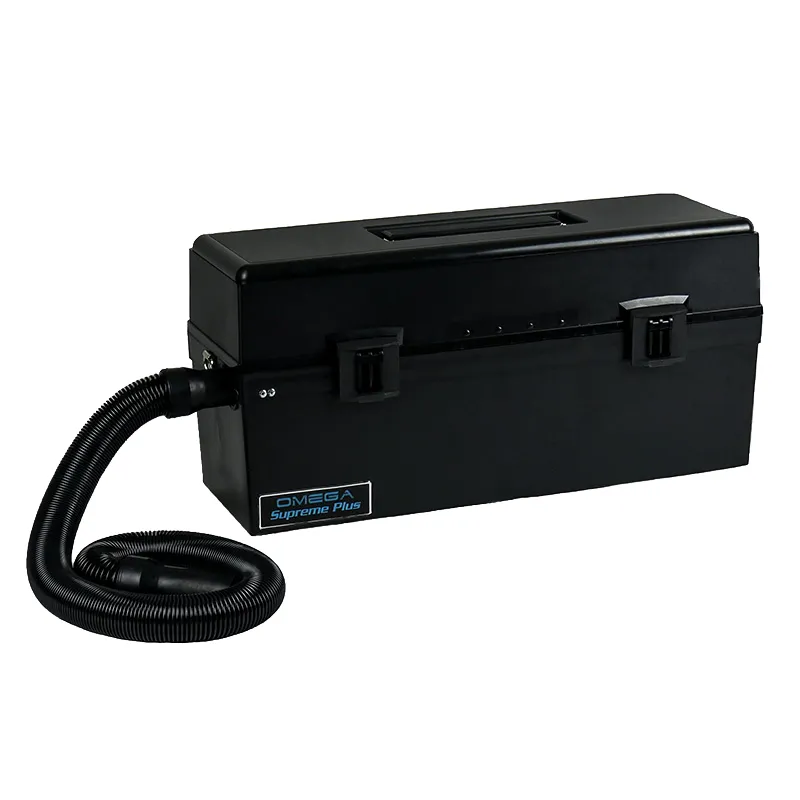
Contamination control is layered, not a single product. Therefore it means gowning and discipline for people, low-particle wipes and mats for surfaces, environmental monitoring to catch excursions, and, critically, ESD-safe HEPA-filtered vacuums for cleaning. A standard vacuum re-emits fine particles and can generate a static discharge that damages devices.
What this means for your line
This is where a cleanroom range earns its keep. For example, Atrix ESD-safe HEPA vacuums capture rather than recirculate, while low-shedding cleanroom consumables keep surfaces clean. Our guide to choosing a cleanroom vacuum by ISO class helps you match equipment to your grade.
Frequently asked questions
What is the most common source of cleanroom contamination? People, because skin, hair, and movement generate most particles, which is why gowning and discipline matter most.
Can I use a normal vacuum in a cleanroom? No, because a standard vacuum exhausts fine particles back into the air and can create static; cleanrooms need HEPA-filtered, ESD-safe units.
What is ISO 14644? The international standard family that defines and classifies cleanroom air cleanliness by particle count.
Planning contamination control for semiconductor, pharma, or medical production? Contact Phil Industries at kenneth@phil-industries.com or WhatsApp +65 9853 9030.