Key takeaways
- EU GMP Annex 1 grades sterile and pharma cleanrooms from A to D, and each grade maps to an ISO 14644 class.
- The catch is state: a grade meets one ISO class “at rest” and often a looser one “in operation”, because people and process add particles.
- Grade A is the strictest, holding ISO 5 both at rest and in operation, while Grade D in operation is set by risk rather than a fixed number.
If you make sterile medicines or medical devices, “ISO Class 7” is only half the answer. European GMP Annex 1 grades cleanrooms from A to D, and the same room can be two different ISO classes depending on whether people are working in it. Because that distinction drives your qualification, getting it wrong is how an audit finding starts.
How do GMP grades map to ISO classes?
Each Annex 1 grade maps to an ISO 14644 class, but separately for “at rest” (built and running, with no people) and “in operation” (staff working). Therefore Grades B, C, and D sit one ISO class looser in operation than at rest.
| GMP grade | At rest | In operation |
|---|---|---|
| A | ISO 5 (3,520 particles ≥0.5µm/m³) | ISO 5 (3,520/m³) |
| B | ISO 5 (3,520/m³) | ISO 7 (352,000/m³) |
| C | ISO 7 (352,000/m³) | ISO 8 (3,520,000/m³) |
| D | ISO 8 (3,520,000/m³) | Not predetermined (risk-based) |
≥0.5µm limits per ISO 14644-1:2015; grade mapping per EU GMP Annex 1 (2022).
Why does at rest versus in operation matter?
Because people are the biggest particle source, a room that is spotless when empty can breach its limit once staff gown up and work. In addition, Annex 1 qualifies both states, so your monitoring must prove the room holds its grade while production actually runs.
What about the 5 micron particle limit?
Annex 1 (2022) changed how the 5 micron count is used. For Grade A, and for Grade B at rest, the 5 micron classification limit was removed and is now justified through your contamination control strategy and historical data. However, Grades C and D still carry a 5 micron classification limit, and in every grade the 5 micron count must be monitored continuously as an early warning of a gowning or filter problem.
What this means for your line
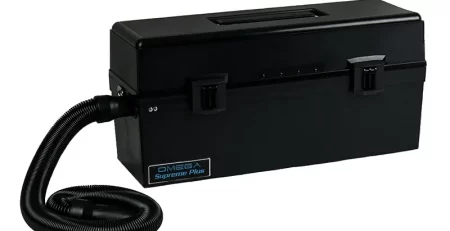
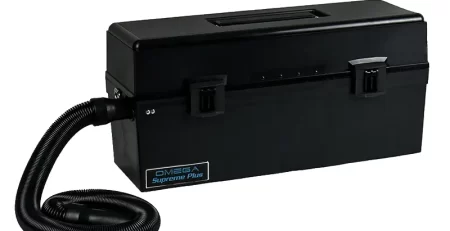
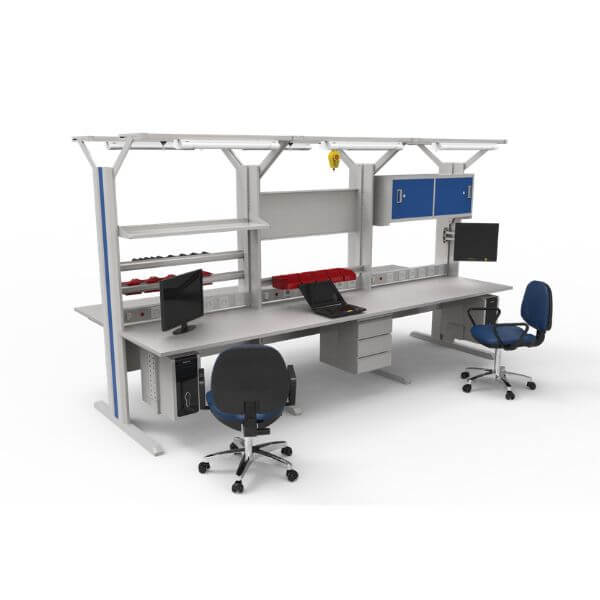
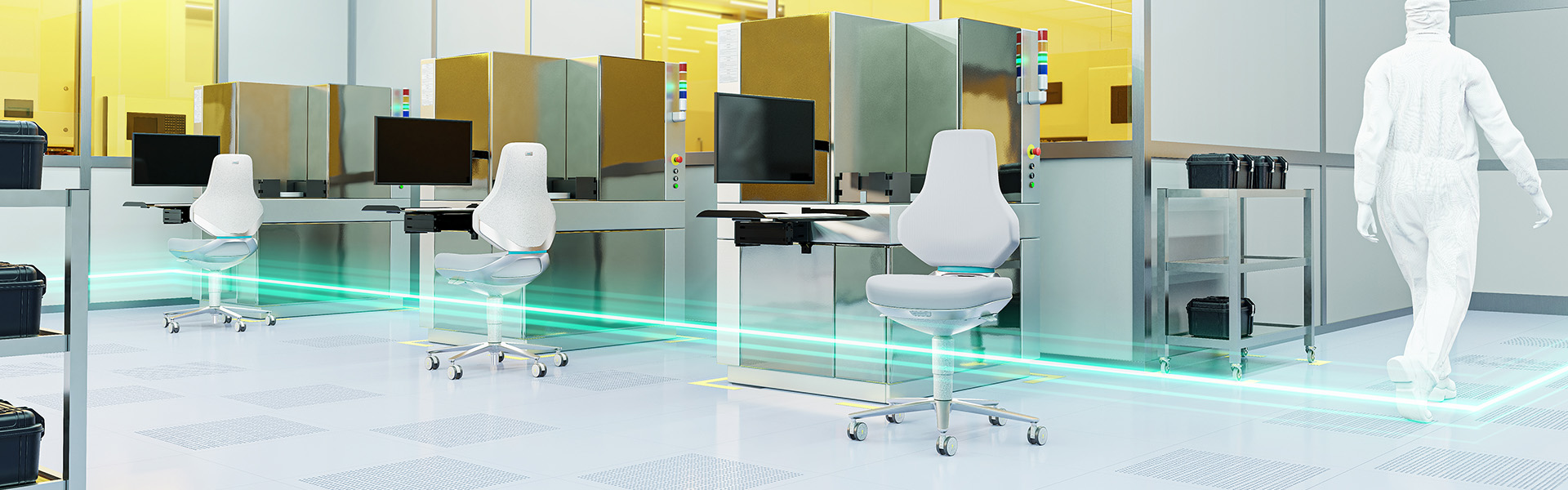
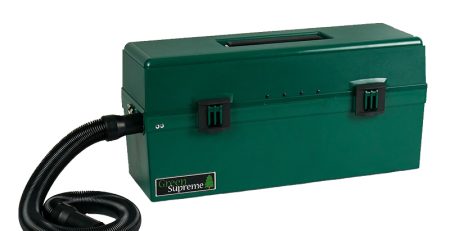
Whether you run a sterile fill, a medical-device assembly, or a packing suite, the grade drives everything downstream, including garments, gowning discipline, wipes, and low-shedding furniture. For example, Phil Industries supplies the cleanroom consumables and cleanroom furniture that help keep a room inside its grade in operation. In addition, our guide to choosing a cleanroom vacuum by ISO class matches cleaning equipment to your classification.
Frequently asked questions
Is ISO 14644 the same as GMP Annex 1? No. ISO 14644 classifies air cleanliness by particle count, while Annex 1 is a GMP standard that assigns those classes to grades A to D and adds gowning, monitoring, and process rules.
What ISO class is a Grade A cleanroom? ISO 5, both at rest and in operation.
Why is Grade D in operation not defined? Because Annex 1 leaves it to be set from a risk assessment and routine data for the specific process.
Qualifying or kitting out a pharma or medical-device cleanroom in Singapore? Contact Phil Industries at kenneth@phil-industries.com or WhatsApp +65 9853 9030.