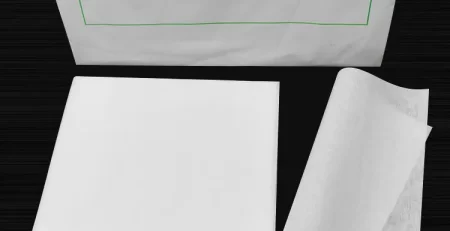
A wipe is not just a wipe in a controlled environment. Because the wrong wipe can add more particles and fibres than it removes, choosing between knitted and nonwoven is a real contamination-control decision.
What is the difference?
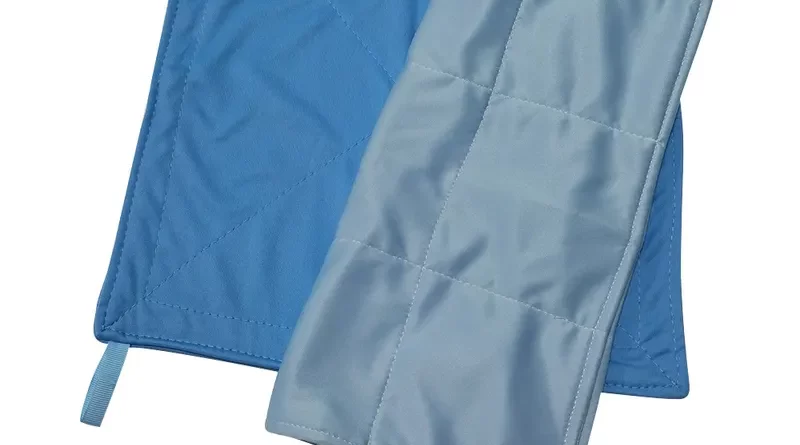
Knitted wipes use continuous-filament polyester, usually with sealed edges, so they release very few particles and hold up to solvents. Nonwoven wipes use bonded fibres such as polyester and cellulose, which makes them more absorbent and lower cost, but generally higher shedding.
Where does each belong?
- Knitted, laser or ultrasonic-sealed edge: the strictest zones, such as ISO Class 5 semiconductor and sterile pharma areas, and wiping critical surfaces or optics.
- Nonwoven: general cleaning, spills, and less-critical support areas where absorbency and cost matter more than the lowest particle count.
Three things to check before you buy
- Edge: sealed (laser or ultrasonic) edges shed far less than cut edges.
- Cleanroom laundered: wipes should be washed and packed to a stated ISO class.
- Compatibility: confirm the material suits your solvent, for example IPA.
Phil Industries stocks cleanroom wipers and the wider range of cleanroom consumables for semiconductor, pharma, and medical facilities.
Frequently asked questions
Are sealed-edge wipes worth the cost? In critical zones, yes, because cut edges shed fibres that can land on a wafer or a sterile surface.
Can I use the same wipe everywhere? You can, but matching the wipe to the zone controls both particles and cost.
Need help specifying cleanroom consumables? Contact Phil Industries at kenneth@phil-industries.com or WhatsApp +65 9853 9030.