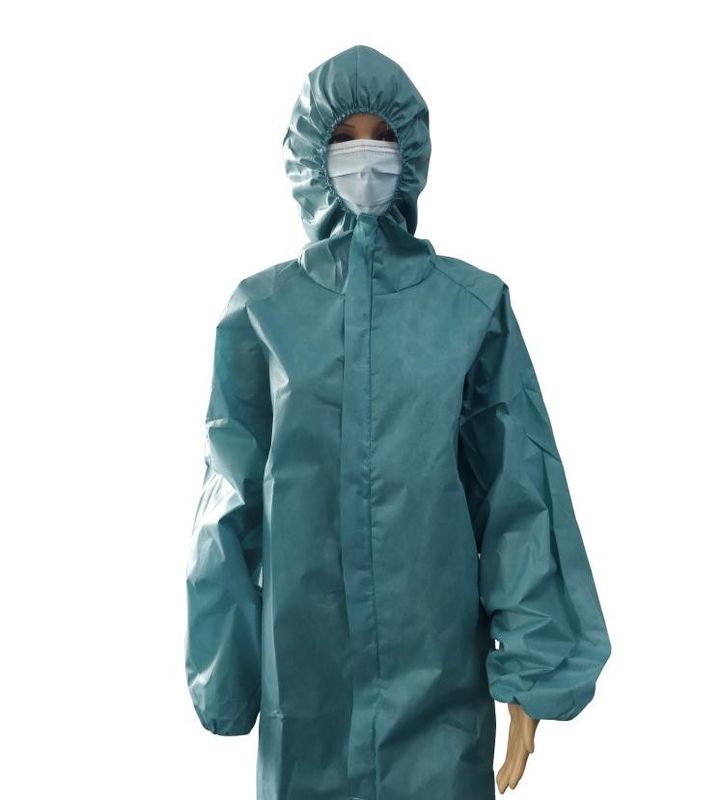
In a cleanroom, the biggest threats are rarely dramatic. Because most contamination comes from ordinary, everyday sources, knowing where particles hide is half the battle for semiconductor, pharma, and medical teams.
The five usual suspects
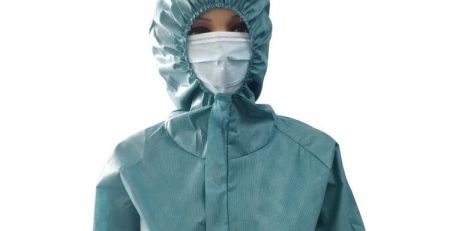
- People: skin, hair, and movement are the largest single source, which is why gowning and discipline matter most.
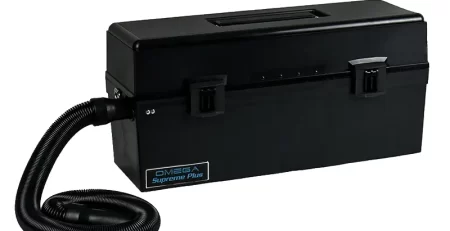
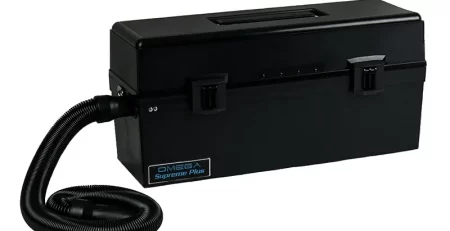
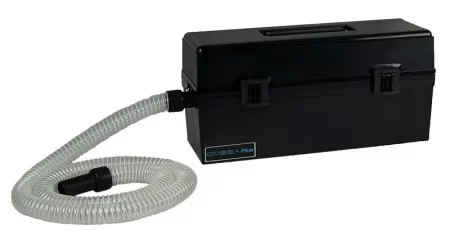
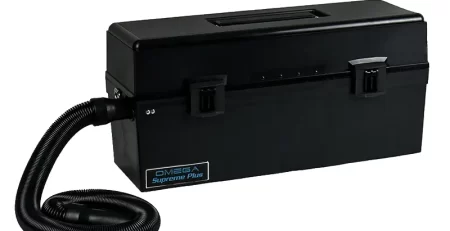
- Ordinary vacuums: a standard vacuum re-emits fine particles and can create static, so use ESD-safe HEPA units instead.
- Cut-edge wipes and paper: unsealed wipes and standard paper shed fibres, so switch to sealed-edge cleanroom wipes and cleanroom paper.
- Cardboard and outer packaging: shipping cartons shed heavily, so debag and transfer items at the boundary, never inside.
- Traffic and doors: foot traffic drags particles in, so sticky mats and airlock discipline keep them at the door.
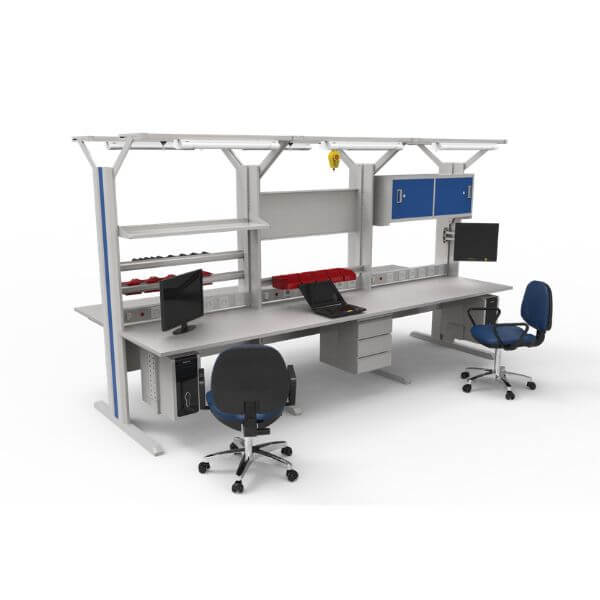
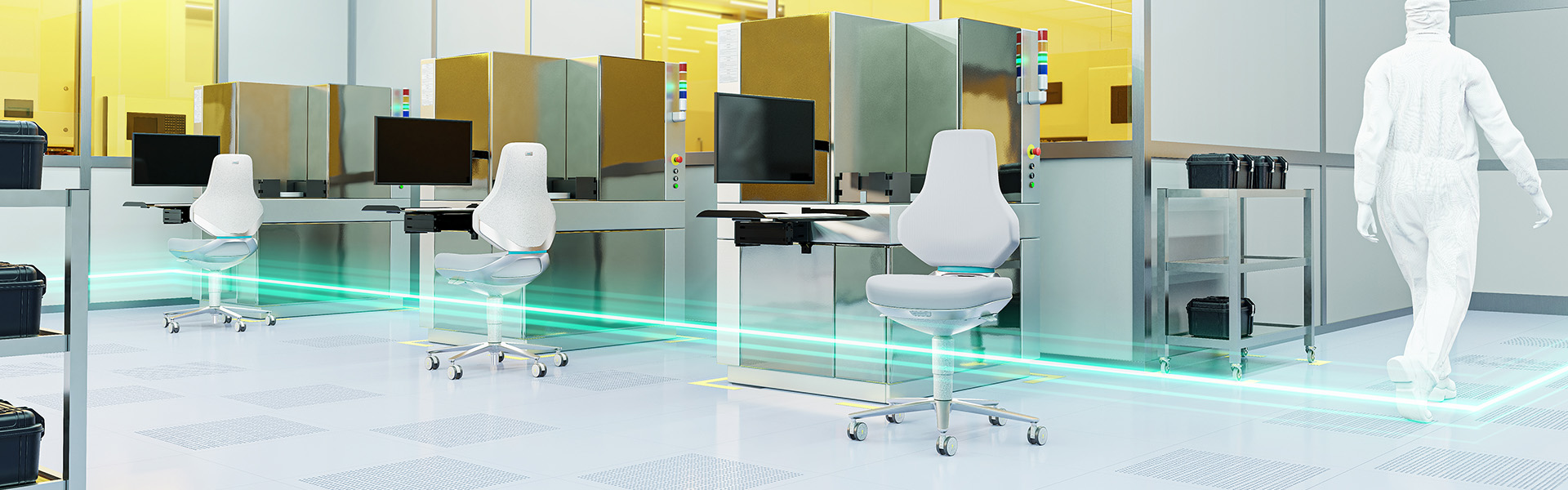
For the cost side of the story, see our guide on the hidden cost of cleanroom particle contamination. Phil Industries stocks cleanroom consumables and cleanroom furniture that keep these sources in check.
Frequently asked questions
What is the number one contamination source? People, by a wide margin, which is why gowning is the first control.
Why can’t cardboard come inside? It sheds cellulose fibres continuously, so it belongs outside the clean boundary.
Auditing your contamination controls? Contact Phil Industries at kenneth@phil-industries.com or WhatsApp +65 9853 9030.