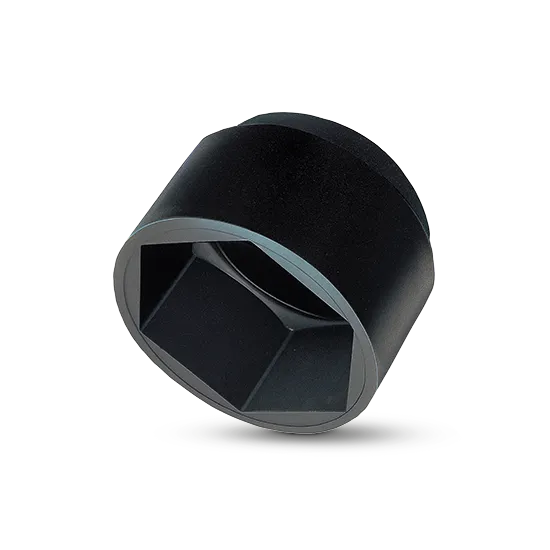
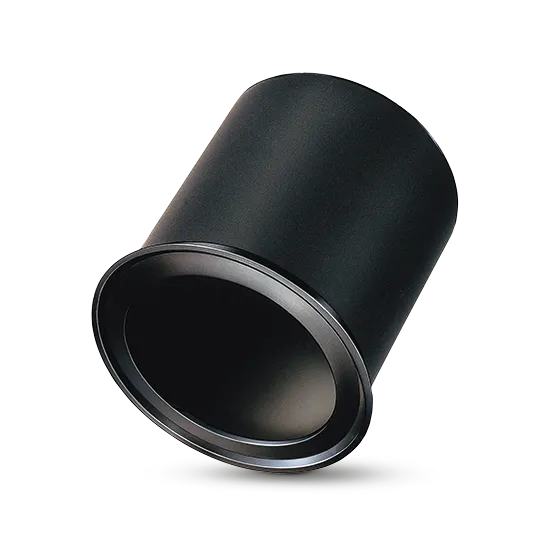
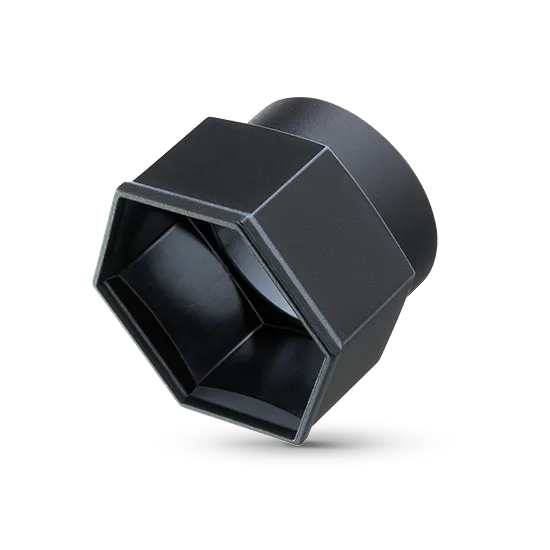
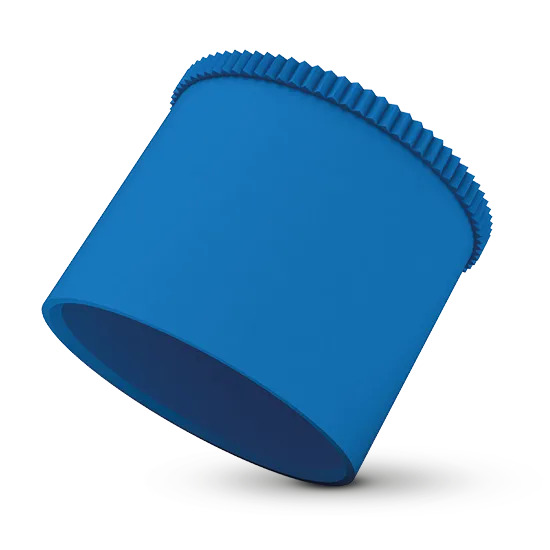
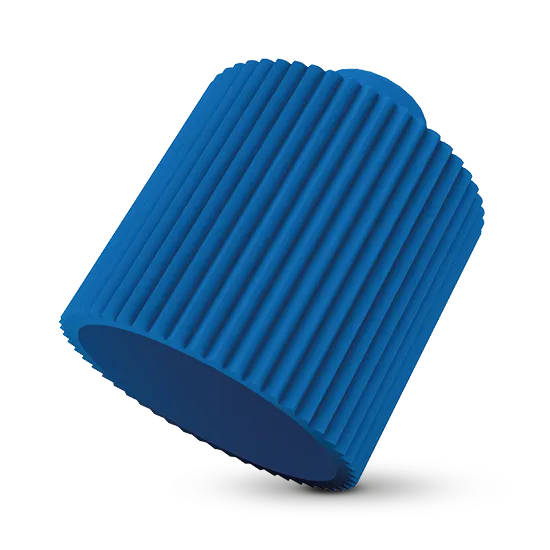
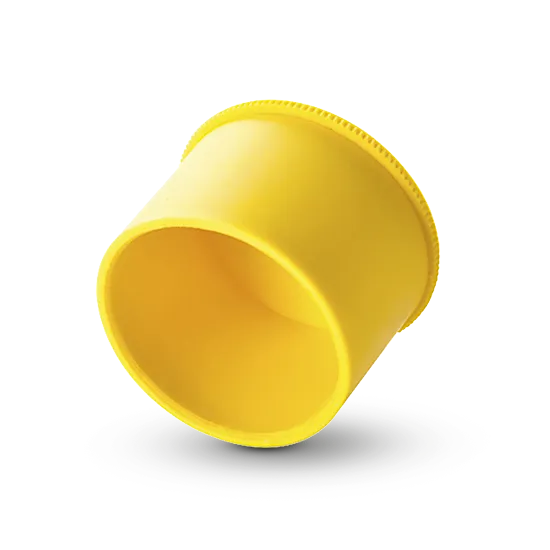
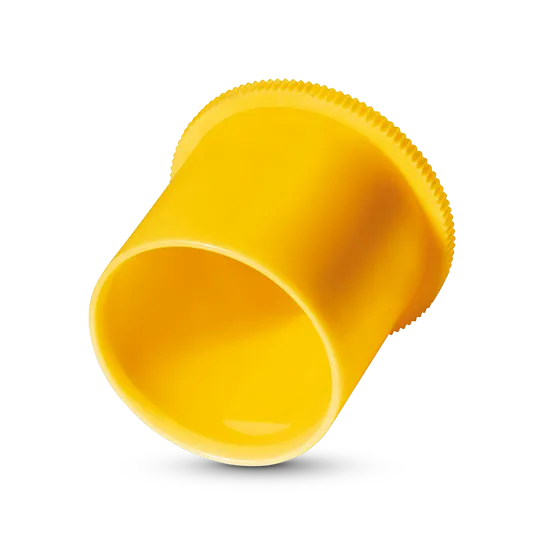
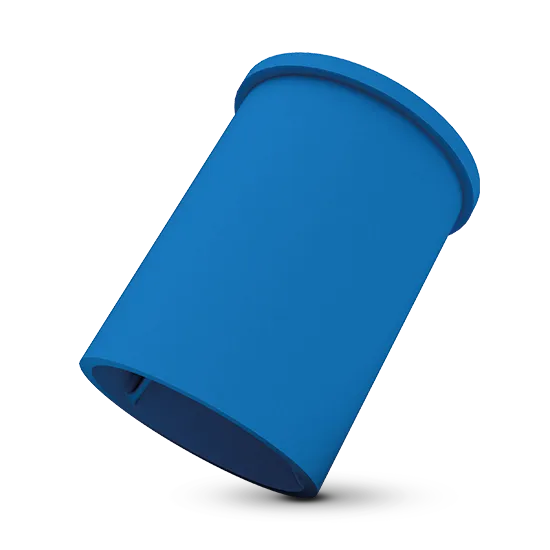
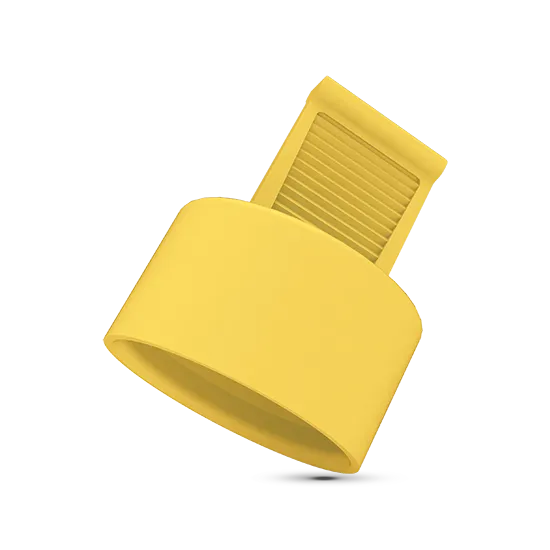
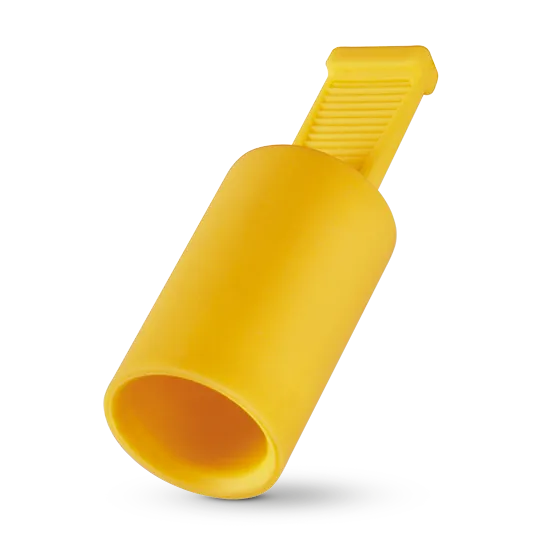
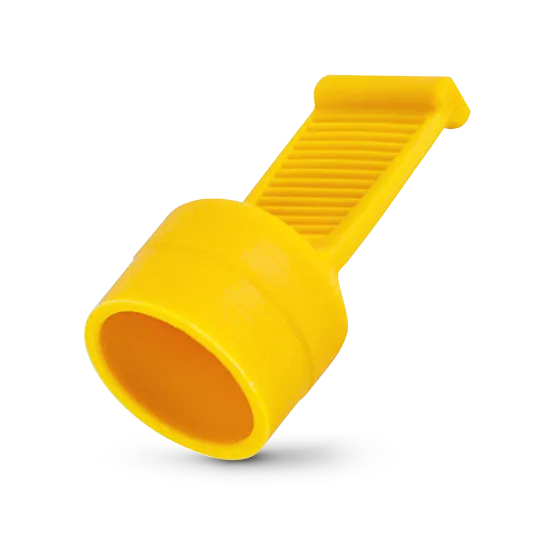
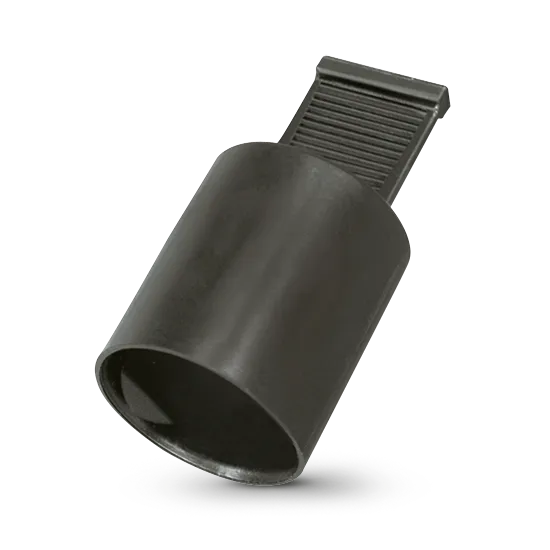
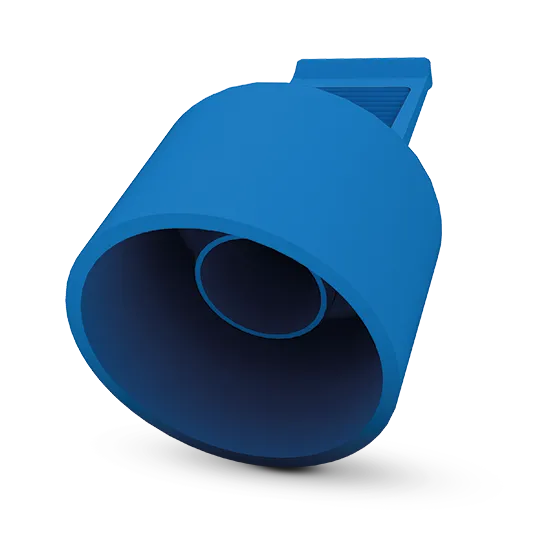
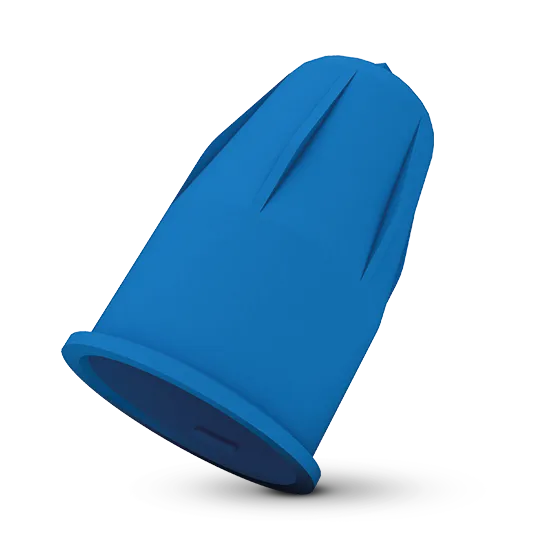
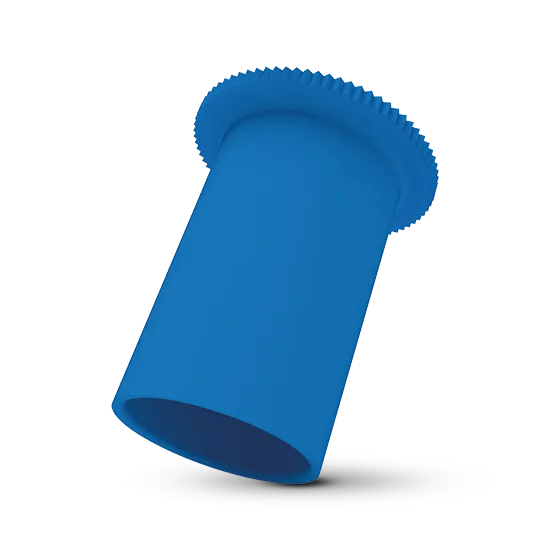
Pöppelmann KAPSTO protective caps cover the outside of a part: a threaded stud, a tube end, a machined face or a connector. They keep out dirt, moisture and paint between processes and stop damage in transit, then come off cleanly at final assembly. Phil Industries, an authorised Pöppelmann distributor in Singapore, supplies the KAPSTO cap range from the GPN 200 series to the GPN 1050 series, with samples and selection help for OEM, hydraulics, automotive and precision engineering customers.
Cap types and when to use them
| Type | How it holds | Typical use |
|---|---|---|
| Protective caps (press-fit) | Push over the stud or tube; the lamella or cone grips the outside diameter | Threaded studs, pipe and tube ends, fittings during storage and transport |
| Grip caps | Push fit with a pull tab or ribs for fast removal | Line-side parts that are uncapped at assembly, high-volume removal |
| Screw caps | Thread onto metric, UNF or BSP threads | Hydraulic fittings, sensors and ports that must stay sealed and vibration-proof |
| Flange caps | Sit on the sealing face and locate on the bolt holes | SAE flanges, pump and valve faces awaiting installation |
For the inside of a bore or port, use the matching KAPSTO protective plugs instead. The Pöppelmann overview compares the two families side by side.
How to choose a protective cap
- First, measure what the cap must cover: the thread designation for a screw cap, or the outside diameter and length for a press-fit cap.
- Next, decide how it comes off. A grip cap with a tab suits a busy assembly line, whereas a plain protective cap suits parts that stay capped for months.
- Then check the process. Standard caps are LDPE for general protection; if the part goes through e-coating, powder coating or an oven, ask us for the high-temperature versions.
- Finally, consider colour. KAPSTO caps come in several standard colours, so you can colour-code sizes or mark protected ports for operators.
Why caps matter in Singapore plants
A damaged thread on a hydraulic manifold or a scratched sealing face costs far more than the cap that would have protected it. Because KAPSTO covers more than 4,000 standard dimensions, the part usually already exists, and Phil Industries can supply samples from Singapore so you can test fit before you order. Our guide on caps and plugs explains how to build protection into your process.
Frequently asked questions about protective caps
What is the difference between a cap and a plug?
A cap covers the outside of a part such as a stud or tube end. A plug fits inside a bore or port. Both come in protective, grip, screw and flange versions.
Which material are KAPSTO caps made from?
Most standard caps are low-density polyethylene, which is flexible, silicone-free and easy to remove. Heat-resistant versions in other polymers are available for paint and coating lines.
Can I get a small quantity or samples?
Yes. Phil Industries supplies KAPSTO samples and small packs from Singapore for fit testing, then quotes production quantities with lead time.
Do you supply Malaysia and Indonesia?
Yes. We ship KAPSTO caps and plugs from Singapore to customers across Singapore, Malaysia and Indonesia.
Call +65 6555 1745, WhatsApp +65 9853 9030 or email sales@phil-industries.com.sg with the thread, bore or stud dimension and we will match the KAPSTO part.