A practical guide for junior engineers and production technicians in Singapore — what torque actually does inside a bolted joint, the units you will meet on the line, and why proper torque control decides whether an assembly holds or fails.
⚡ In short: torque is only a proxy — the joint is held by clamp force, and typically just ~10% of the torque you apply becomes clamp load; the rest is friction. Control the torque with a calibrated tool and you control the joint.
Reviewed September 2026 by the Phil Industries engineering team, Singapore. Standards referenced: ISO 6789. Products mentioned are stocked at 51 Ubi Ave 1 for same-day quotation.
🎯 Torque is a means to an end — the end is clamp force
When you tighten a screw, the goal is not the twisting itself. Tightening stretches the fastener slightly, and that stretch clamps the parts together. It is this clamp force (preload) that holds the joint — the screw threads simply maintain the stretch. Torque is the practical way we control clamp force, because clamp force itself is hard to measure on a production line.
Here is the part that surprises most juniors: by a commonly cited rule of thumb, only about 10% of the applied torque becomes clamp force. Roughly half is lost to friction under the screw head and about 40% to friction in the threads. Because so much depends on friction, consistency matters enormously — lubrication, surface finish and repeatable tools all change the result.
Where your torque actually goes
Typical split for a lubricated steel fastener — only about 10% of applied torque becomes clamp force; the rest is friction.
🔢 The units you will meet (and how they convert)
Torque is force times lever arm. In Singapore you will see metric and imperial units side by side on drawings and datasheets:
| Unit | Typical use | 1 N·m equals |
|---|---|---|
| N·m (newton-metre) | General engineering | — |
| cN·m (centinewton-metre) | Electronics and small fasteners | 100 cN·m |
| lbf·in (pound-force inch) | US drawings, electronics | ≈ 8.85 lbf·in |
| lbf·ft (pound-force foot) | Larger fasteners | ≈ 0.74 lbf·ft |
| kgf·cm (kilogram-force centimetre) | Asian electronics drawings | ≈ 10.2 kgf·cm |
Always confirm the unit before setting a tool — a value read as N·m but set in lbf·ft is out by a factor of 1.36, which is more than enough to damage a joint.
⚠️ What goes wrong at each extreme
- Under-tightening — the joint has too little clamp force, so vibration works it loose. The result is rattling assemblies, leaking fittings and intermittent electrical connections that pass test and fail in service.
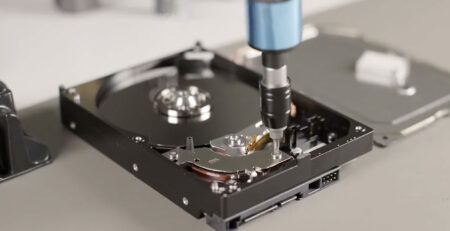
- Over-tightening — threads strip, fasteners yield or snap, and brittle parts crack. In electronics, over-torque on tiny screws cracks plastic bosses and PCBs; the damage is often invisible until the field return.
Neither failure announces itself at assembly time, and therefore torque control is a quality decision, not just a tooling one.
Why “feel” is not a method
Two experienced operators tightening by feel can differ enormously — and the same operator drifts over a shift. Calibrated torque tools remove that variation. Hand torque tools are specified and verified to ISO 6789, the international standard for hand torque tool accuracy, so a set value on a quality tool means the same thing on Monday morning and Friday night. This repeatability is what aerospace fastening records, medical device assembly validation and electronics process control are all built on.
🧰 The tool map — where each type fits
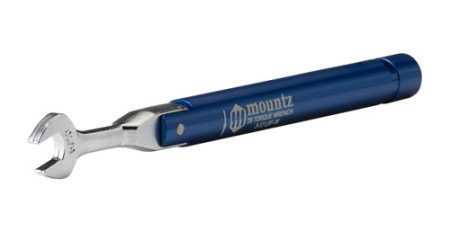
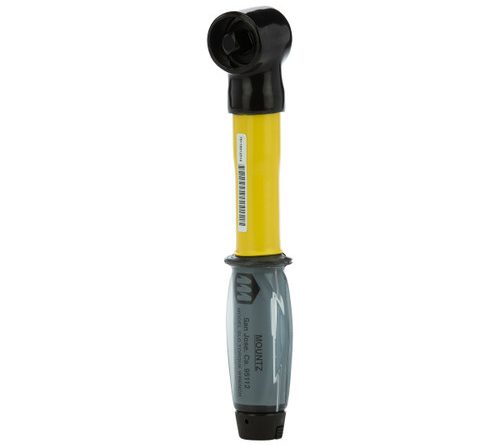
- Preset click wrenches — the operator feels and hears the click at the set torque; for example the Mountz IPT preset click wrenches. Tamper-resistant presets suit production lines.
- Cam-over wrenches — the mechanism slips at the set torque, so the fastener physically cannot be over-torqued; see the FGC cam-over wrenches. A strong choice where over-torque damage is expensive.
- Break-over wrenches — the head hinges at the set value as a clear stop signal; see the TBX break-over wrenches.
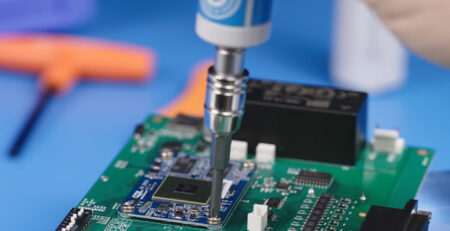
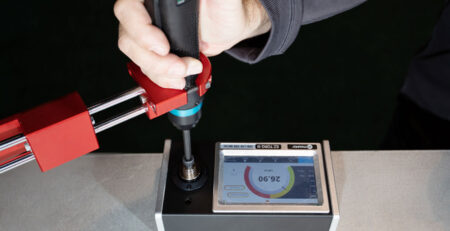
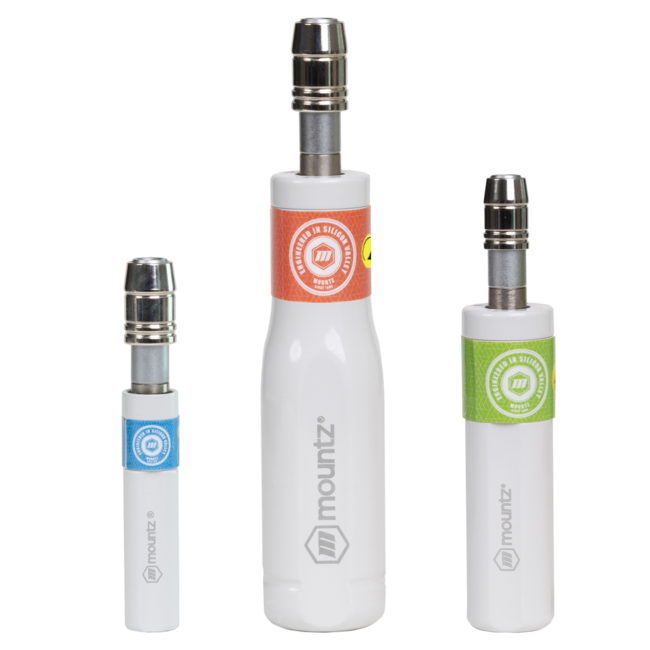
- Torque screwdrivers — for the small-fastener, low-torque work that dominates electronics; browse Torque Screwdrivers.
- Torque analyzers and sensors — QA teams use these to verify tool performance between service intervals; browse Torque Analyzers & Sensors.
Ready to pick a tool? The companion guide Torque Wrench, Screwdriver or Multiplier? walks through the selection step by step.
🔑 The one thing to remember: “feel” is not a method. A tool calibrated to ISO 6789 gives the same result on Monday morning and Friday night — repeatability is the whole point.
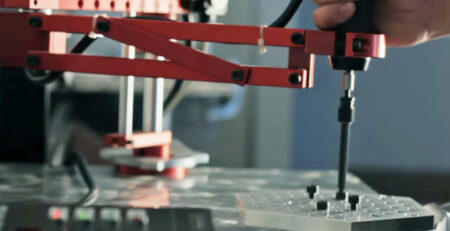
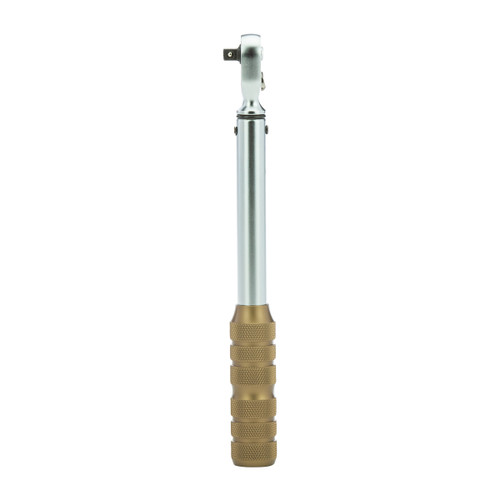
The same principles apply at higher torque. In that case, a torque wrench replaces the screwdriver, and the choice between a click, break-over or cam-over mechanism decides how much over-torque can slip through after the signal.
Frequently Asked Questions
Is more torque always safer?
No — beyond the specified value you are consuming the fastener’s strength with no gain in joint security, and eventually you strip threads or yield the bolt. The specified torque is a target, not a minimum.
How often should torque tools be checked?
Follow the manufacturer’s and your quality system’s intervals — and many Singapore production teams add quick verification checks on a torque analyzer between formal calibrations, so a drifting tool is caught before it builds bad product.
Which unit should electronics teams standardise on?
Most small-fastener specifications use cN·m, kgf·cm or lbf·in. Whichever your drawings use, keep tools, documentation and training in that one unit — unit mix-ups cause more torque errors than tool drift does.
Phil Industries is an authorised Mountz distributor in Singapore, supplying torque control tools across aerospace, semiconductor, electronics and medical device manufacturing — see the full Mountz Torque Tools range. Call +65 6555 1745 or WhatsApp +65 9853 9030 for model selection.