Error-proofing tools cut PCB rework costs by catching fastening mistakes at the workstation — before a board moves down the line or ships to a customer. A single missed, cross-threaded, or under-torqued screw on a populated board can cause a field failure that costs many times the price of the assembly to diagnose and repair.
What Error-Proofing Means in Fastening
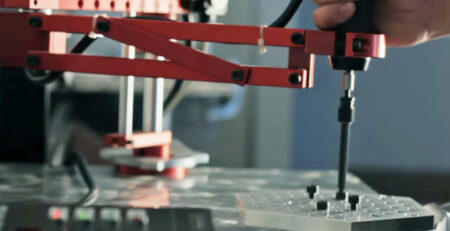
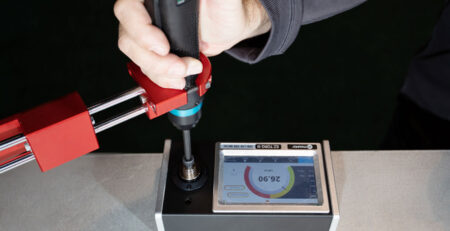
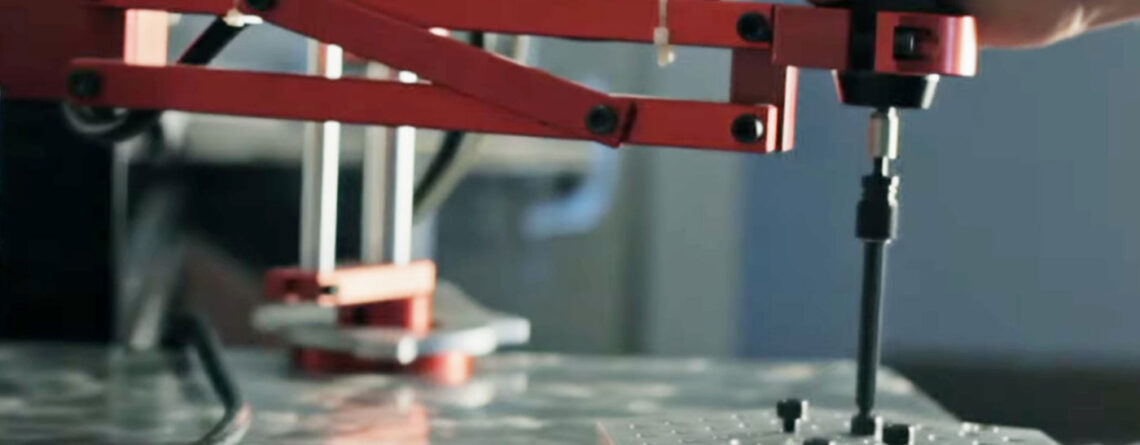
Error-proofing (poka-yoke) uses tools and controls that make mistakes impossible or immediately visible. In torque assembly that means verifying three things on every joint: the correct number of fasteners, the correct torque on each, and the correct sequence. Screw counters, fastening controllers, and tools that signal only when the set torque is reached turn a manual judgement call into a confirmed, logged event.
How It Reduces Rework
Without verification, an operator can miss a screw or stop a driver early and no one knows until the product fails. A fastening controller stops the line, lights an indicator, or withholds the “pass” signal until every fastener is counted and torqued correctly. Errors are caught and corrected in seconds at the station, instead of surfacing as expensive returns, recalls, or warranty claims.
The Return on Investment
Compare the cost of a controller or screw counter against the fully loaded cost of one rework event — diagnosis, disassembly, replacement parts, retest, and the reputational cost of a field failure. For most electronics lines, error-proofing pays for itself well within the first year.
Phil Industries’ Take: Error-Proofing Tools in Singapore’s PCB Assembly Reality
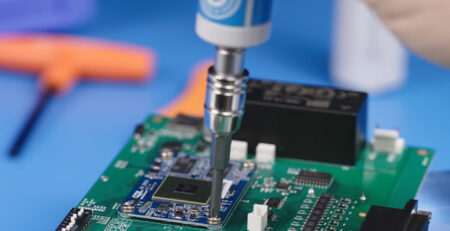
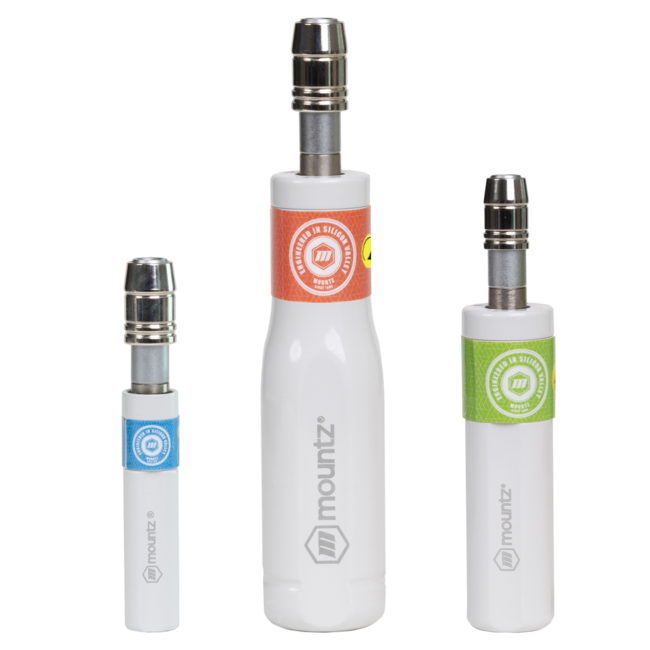
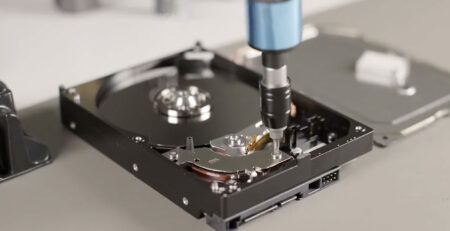
Singapore’s EMS (electronics manufacturing services) sector is under constant pressure to reduce rework costs while maintaining throughput. The error-proofing tools we supply most often for PCB assembly are Mountz transducerised screwdrivers with torque and angle monitoring — not because they’re the most complex, but because fastener torque is the single most common source of PCB assembly rework in our customers’ quality data. A missed screw, an under-torqued connector, or a damaged boss from over-torquing accounts for a disproportionate share of field returns in Singapore-assembled electronics products. Closing that control gap with a tool that verifies torque and angle on every fastener cycle, and logs the result, typically shows ROI within one quarter for high-volume assembly lines.
Contact Phil Industries at +65 6555 1745 for Mountz error-proofing screwdriver recommendations for Singapore PCB assembly.
Frequently Asked Questions
What is error-proofing (poka-yoke) in assembly?
It is the use of tools and controls that prevent mistakes or make them immediately obvious — for example, confirming every fastener is present, correctly torqued, and in sequence before a unit passes.
Which tools error-proof a torque process?
Screw counters, fastening process controllers, and tools that signal only at the set torque. Together they verify fastener count, torque value, and sequence on every joint.
Does error-proofing really cut costs?
Yes. Catching a fastening error at the station costs seconds; catching it as a field failure costs diagnosis, rework, replacement, and reputation. The tooling typically pays back within a year.
Build Error-Proofing Into Your Line
Phil Industries supplies Mountz error-proofing aids and tools in Singapore. Tell us your assembly process and we will recommend the right counters and controllers. Call +65 6555 1745 or request a quote.