A selection guide for junior engineers and line leaders in Singapore — when to specify a torque screwdriver, a torque wrench, a multiplier or a powered driver, and which wrench mechanism protects your product best.
⚡ In short: start with two numbers — the torque value and how many fasteners per shift. Those point you to a screwdriver, wrench, multiplier or powered driver. Then the mechanism (click vs cam-over) decides how forgiving the tool is for your operators.
Reviewed September 2026 by the Phil Industries engineering team, Singapore. Standards referenced: ISO 6789. Products mentioned are stocked at 51 Ubi Ave 1 for same-day quotation.
🔢 Start with two numbers: torque value and fastener count
Tool selection becomes simple once you know the specified torque and how many fasteners per shift the operator will tighten. The torque value points to the tool family; the fastener count decides whether a hand tool or a powered driver makes sense.
🧰 The tool families at a glance
| Tool | Typical territory | Choose it when |
|---|---|---|
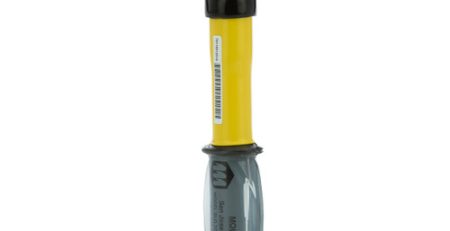
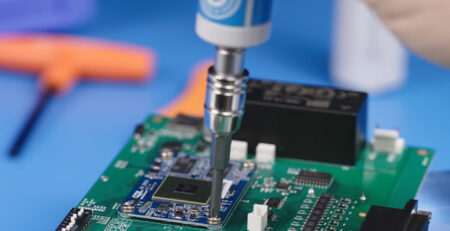
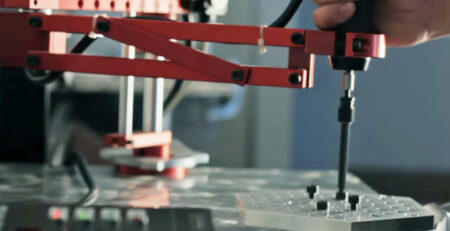
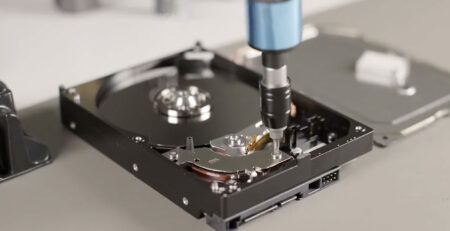
| Torque screwdrivers | Small fasteners, low torque (cN·m to a few N·m) | Electronics, instruments and medical device assembly, where fasteners are tiny and over-torque cracks parts |
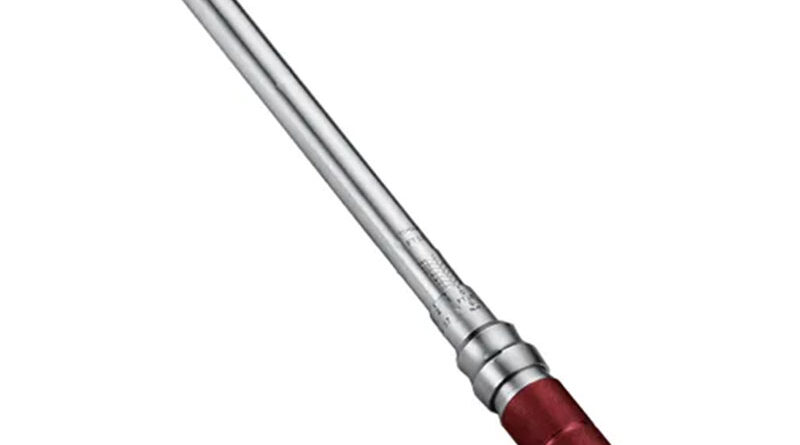
| Torque wrenches | Mid-range fasteners | Mechanical assembly, fittings and maintenance work across aerospace and general industry |
| Torque multipliers | Very high torque | The specified torque exceeds what an operator can safely apply by hand — a geared multiplier steps up the input |
| Power assembly tools | Production volume | High fastener counts need speed and shift-long consistency — electric screwdrivers and pulse tools |
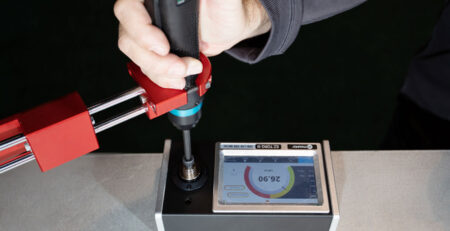
Two supporting families complete the kit: torque analyzers and sensors for verifying tool performance, and error-proofing aids such as screw-count systems that catch a missed fastener before the unit ships.
🔧 Inside the wrench family — the mechanism matters
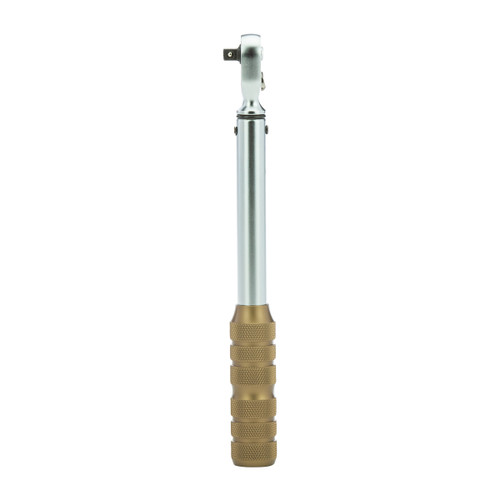
- Click wrenches — the operator feels and hears a click at the set torque, for example the IPT preset click wrenches. Fast and familiar; however, an operator who keeps pulling after the click can still over-torque.
- Cam-over wrenches — the mechanism slips at the set value, so over-torque is mechanically impossible; see the FGC cam-over wrenches. Specify these where the parts are expensive or the operators are new.
- Break-over wrenches — the head hinges at the set torque as an unmistakable stop signal; see the TBX break-over wrenches.
For teaching new operators, cam-over and break-over designs are the forgiving choice, because the tool itself enforces the limit.
⚙️ Preset or adjustable?
- Preset — the value is fixed and tamper-resistant, so a production line runs one torque all shift with nothing to mis-set. Best for repetitive assembly.
- Adjustable — the technician dials the value per job. Best for maintenance, prototyping and low-volume work, while the graduation scale is checked at each change.
⚠️ High torque? Plan the reaction first
A torque multiplier steps torque up through gearing, and the multiplied torque has to push against something — that is the job of a reaction device. Specify the reaction arm together with the multiplier, because an unsupported reaction is both an accuracy problem and a safety hazard for the operator.
New to torque itself? Start with the companion guide Torque Control Basics: Why Fasteners Fail, because tool choice makes more sense once clamp force is clear.
🔑 The one thing to remember: a click wrench warns the operator; a cam-over wrench makes over-torque mechanically impossible. For new operators or expensive parts, that difference is worth planning for.
Frequently Asked Questions
Can a power screwdriver replace a hand torque screwdriver?
On volume lines, yes — brushless electric screwdrivers deliver consistent torque at production speed, and models with screw counting add error-proofing. Hand tools remain the choice for delicate, low-volume or service work.
Why not just buy one adjustable wrench for everything?
Range matters: accuracy is specified across a band of the tool’s capacity, so a huge wrench set to a tiny value is working at the weak end of its range. Match the tool’s range to the joint, and use presets where the line runs one torque.
How do we know a tool is still accurate?
Hand torque tools follow ISO 6789 and the manufacturer’s verification intervals; many teams also spot-check tools on an in-house torque analyzer between formal calibrations, so drift is caught early.
Phil Industries is an authorised Mountz distributor in Singapore, supplying the full Mountz torque tools range to aerospace, semiconductor, electronics and medical device manufacturers. Need help choosing a torque wrench or screwdriver for a specific joint? Call +65 6555 1745 or WhatsApp +65 9853 9030.