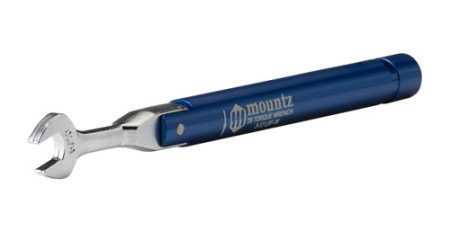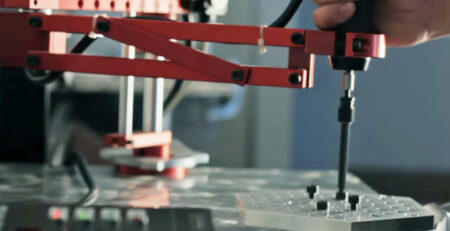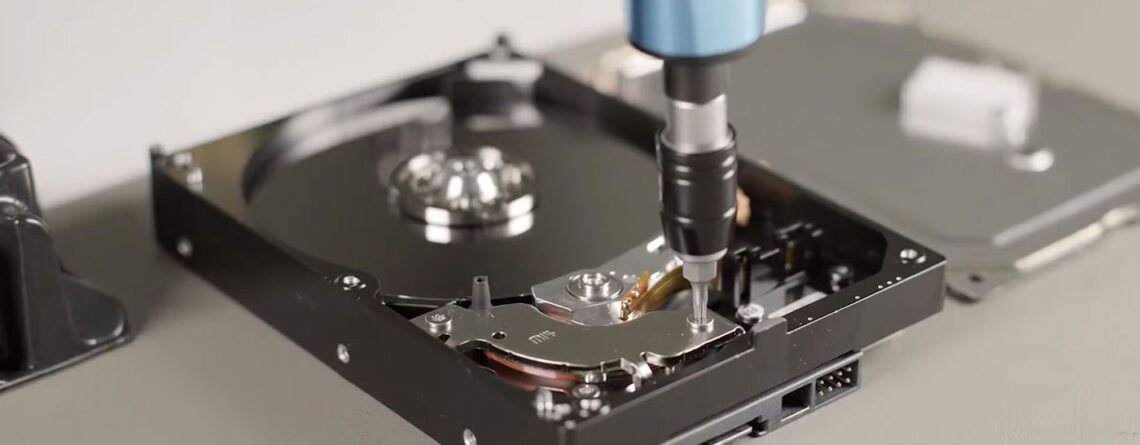
When it comes to torque tools, accuracy is paramount. Being off by a few percentage points can result in a fastener that’s too loose—or too tight—leading to catastrophic failure, compromised safety, or rejected QA lots. For sectors like semiconductors, electronics, aerospace, and medical devices, torque inaccuracy is more than a quality problem—it’s a compliance risk.
Regular maintenance is the key to ensuring long-term precision, reducing downtime, and extending the lifespan of your tools. In this article, we’ll walk through 5 essential torque tool maintenance tips that every engineer, technician, and maintenance manager should know.
1. Calibrate Your Tools on a Scheduled Basis
Calibration is the most important maintenance task—and the one most often overlooked. Why Calibration Matters:
- Prevents over-torque and under-torque errors
- Complies with ISO 6789, ASME, and FDA requirements
- Ensures traceability for quality control and audits
Recommended Calibration Frequency:
- Every 5,000 cycles or every 6–12 months, whichever occurs first
- After any tool is dropped, damaged, or subjected to extreme temperatures
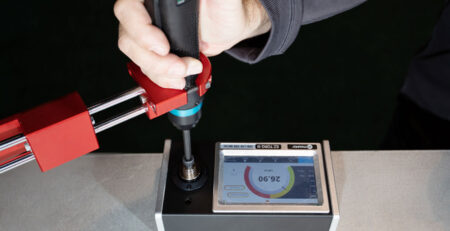
Pro Tip: Employ an in-house torque tester to confirm torque prior to each usage, particularly for high-criticality assemblies such as medical implants or aerospace.
2. Store Tools in a Clean, Controlled Environment
Environmental conditions are essential to torque consistency and tool life. Best Practices for Storage:
- Avoid humidity: May cause mechanical components and springs to corrode
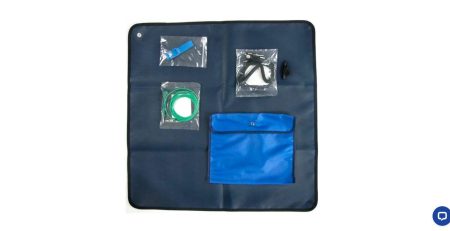
- Shield from dust and ESD: Utilize anti-static cases in clean rooms and electronics laboratories
- Avoid vertical hanging of torque wrenches (particularly click-type): May cause constant tension on the internal spring
Checklist for Storage:
- Utilize padded, specialty toolboxes or foam inserts
- Prominently label calibration dates
- Store tools at room temperature (shun extremes)
Tip: Clean tools after every use—especially when used in oil, chemical, or solder environments.
3. Train Operators to Properly Use Tools
Misuse is a primary cause of premature torque tool failure. Training Must Cover:
- Correct torque application technique: Apply slow and steady pressure
- Do not “jerk” the tool
- Observe torque limits: Don’t apply tools in excess of their rated capacity
What NOT to Do:
- Do not use torque wrenches as breaker bars
- Don’t pry or drop tools
- Don’t “test” tools by overtightening
Tip: Provide refresher training every 6 months, particularly in high-turnover settings such as cleanroom assembly.
4. Make Visual and Functional Checks a Habit
Operators should conduct a quick pre-use inspection before each shift or job. Visual Checks:
- Is the tool bent, cracked, or rusted?
- Are grip areas worn or slippery?
- Are markings or digital readouts clear?
Functional Checks:
- Does the click mechanism function?
- Is the ratchet engagement smooth?
- For digital devices, is the display showing correctly and responding immediately?
- Is the torque value returning to zero properly?
✅ Record all deviations or inconsistencies for a technician to examine immediately.
5. Collaborate with a Reputable Torque Tool Service Partner
Occasionally do-it-yourself maintenance is not sufficient—particularly for high-precision digital devices or torque drivers applied in high-risk fields such as aerospace or biomedical engineering. What a Good Service Partner Provides:
- Factory-certified calibration
- Tool repair and replacement parts
- Maintenance records and calibration certificates
- Recommendations for the newest torque tool technologies
suppliers will carry top brands such as:
- Mountz Torque
- Tohnichi
- Sturtevant Richmont
- Gedore
- Norbar
✅ Dealing with a Singapore-based supplier of torque tools with local support and calibration will save time, cost, and compliance risk.
6. Bonus: Care Tips for Digital Torque Tools
With the increasing smart manufacturing, many engineers are using these days’ digital torque tools to provide real-time torque monitoring and traceability. A few more care tips:
- Use OEM-approved batteries and chargers only
- Store in cushioned, anti-static cases
- Firmware updates as needed
- Zero-reset prior to each use to prevent digital drift
✅ Mountz FG Digital Torque Wrench or EPT-Series Screwdrivers are a few of the instruments that have built-in torque and angle measurement—perfect for Industry 4.0 settings.
Final Thoughts
Torque tools are similar to surgical instruments—they must be accurate, dependable, and properly maintained. In markets where every micro-component or bolt must adhere to strict safety and compliance regulations, tool maintenance isn’t a choice—it’s a requirement.
With regular calibration, storage, user training, pre-use inspection, and aligning with trusted partners, you can maximize tool life, prevent expensive failures, and provide torque consistency throughout your line.
5 Maintenance Actions That Preserve Torque Tool Accuracy
- 1. Store at minimum torque setting: Click wrenches stored at maximum setting fatigue the spring. Back off to lowest setting after every use.
- 2. Clean after each shift: Swarf and coolant in ratchet heads cause calibration drift. Wipe with lint-free cloth — avoid solvent on seals.
- 3. Log every drop or impact: A single drop on concrete can shift a click wrench by 10–15%. Tag and quarantine immediately for recalibration.
- 4. Calibrate on schedule: ISO 6789 mandates 12-month intervals — shorter for high-cycle pneumatic tools (every 5,000 cycles).
- 5. Calculate extension bar correction factors: Extension bars add deflection and reduce effective torque at the fastener. Use the published correction formula or switch to direct-drive wherever possible.
Phil Industries’ Singapore Perspective
As the Singapore distributor for Mountz and Tohnichi precision torque tools, we see the consequences of poor tool maintenance firsthand — click wrenches stored at full-torque setting, tools sent for calibration months overdue, and extension bars used without correction factors applied. The five tips above come directly from patterns we observe across semiconductor, electronics, and medical device assembly lines in Singapore.
We also provide ISO 6789-traceable calibration services locally, so your tools don’t need to be shipped overseas — typical turnaround is 3–5 working days. For calibration services, tool replacement, or to discuss a maintenance programme for your line, contact Phil Industries at +65 6555 1745 or kenneth@phil-industries.com.sg.