Pneumatic tools win on upfront cost and durability; electric tools win on precision, data, and running cost — so “which saves money” depends on your volume, accuracy requirement, and whether you need traceability. For precision electronics and aerospace work, electric usually pays back; for heavy, high-volume general fastening on an existing air supply, pneumatic can be the economical choice.
Pneumatic (Air) Tools
Air screwdrivers and wrenches are lightweight, robust, and cheaper to buy. They tolerate harsh duty cycles and stalls. The trade-offs: they need a compressed-air supply, deliver less precise torque control, are noisier, and carry an often-overlooked running cost — compressed air is one of the most expensive utilities in a factory once you account for compressor energy and leaks.
Electric Tools
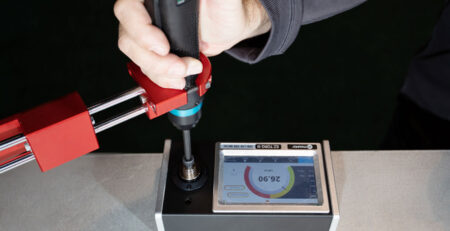
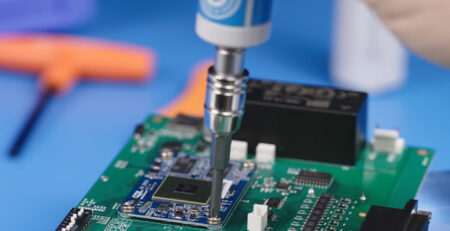
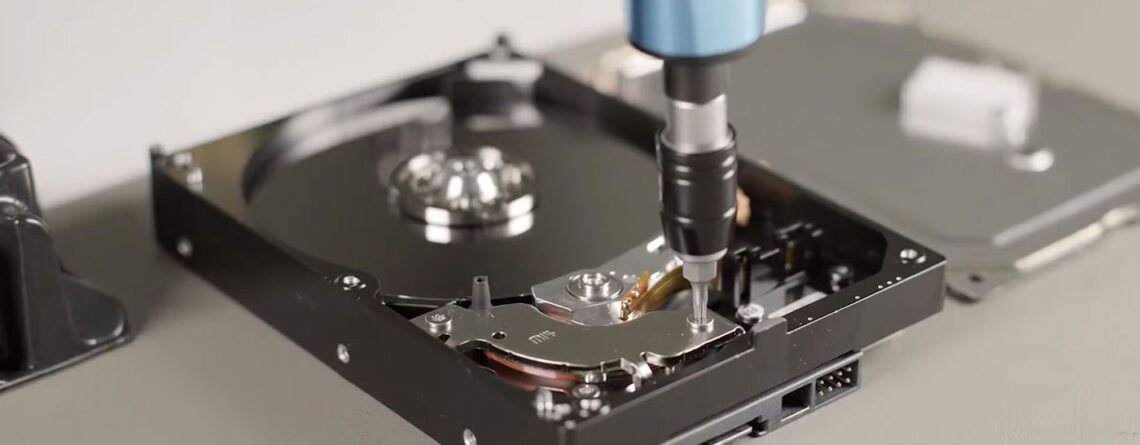
Electric and transducerised tools deliver tightly controlled torque and angle, can log every fastening for traceability, and support mistake-proofing. They are quieter and far more energy efficient. The trade-off is a higher purchase price — justified where precision, documentation, or rework reduction matter.
Total Cost of Ownership
Look past the purchase price. Factor in compressed-air energy for pneumatic, and the rework and warranty savings from electric precision. On a precision line, the cost of scrap and rework from imprecise torque usually dwarfs the difference in tool price.
Phil Industries’ Take: The Energy Question Singapore Engineers Actually Ask
The pneumatic vs electric energy comparison we see most in Singapore is driven by one specific context: facilities switching from centralised compressed air to distributed electric tools as part of energy efficiency programmes. The calculation is rarely straightforward because the efficiency of pneumatic tools depends heavily on the condition of the compressor, pipe sizing, and leak rates in the compressed air distribution network — and Singapore’s ageing industrial buildings often have significant line losses. Mountz’s electric assembly tools are a common choice for Singapore facilities running this kind of energy audit, partly because they’re easier to measure (tool-level energy consumption is trackable) and partly because they eliminate the compressor maintenance overhead. We assist Singapore clients with tool-by-tool conversion analysis before specifying.
Contact Phil Industries at +65 6555 1745 for Mountz electric assembly tool recommendations for Singapore energy efficiency programmes.
Frequently Asked Questions
Are electric or pneumatic assembly tools more precise?
Electric and transducerised tools offer tighter torque and angle control and can log each fastening, making them the better choice for precision and traceable work.
Which is cheaper to run?
Electric tools are far more energy efficient. Compressed air for pneumatic tools is a costly utility once compressor energy and leaks are counted, even though the tools themselves are cheaper to buy.
When does pneumatic still make sense?
For heavy, high-volume, lower-precision fastening where an air supply already exists and ruggedness matters more than data or fine torque control.
Choose the Right Assembly Tool
Phil Industries supplies the full Mountz range of pneumatic tools and electric assembly tools in Singapore. Tell us your torque, volume, and traceability needs and we will recommend the most cost-effective option. Call +65 6555 1745 or request a quote.