ESD wrist straps are the single most effective static control at a seated bench — a continuous, low-resistance path from the operator’s skin to ground. If you buy one ESD product, buy this. Phil Industries stocks wrist straps, cords and testers ex-stock in Singapore.
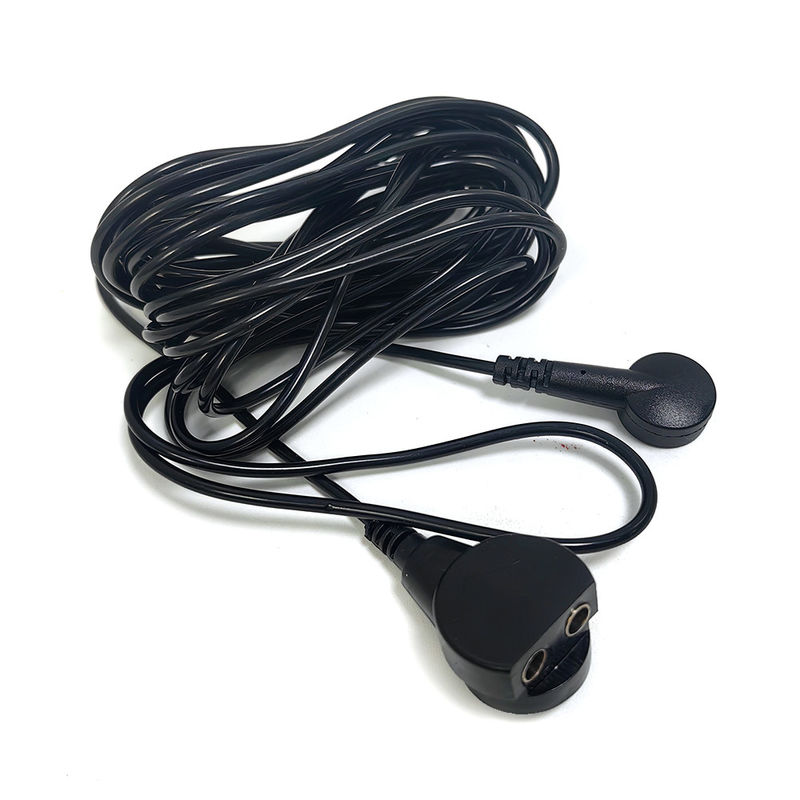
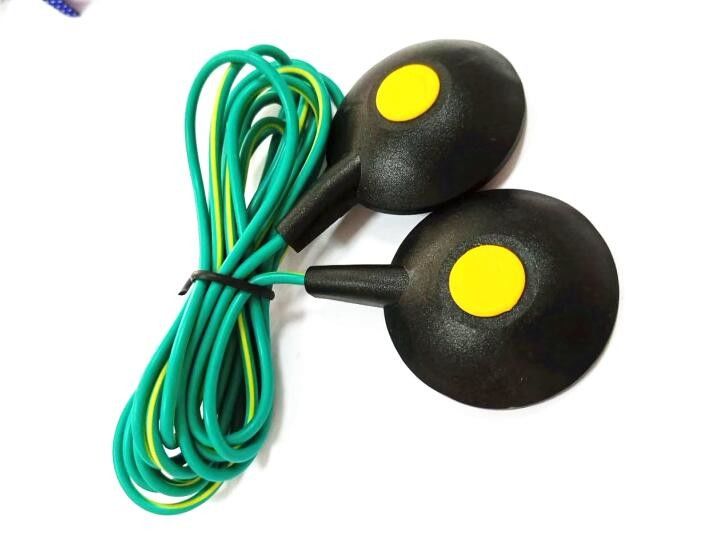
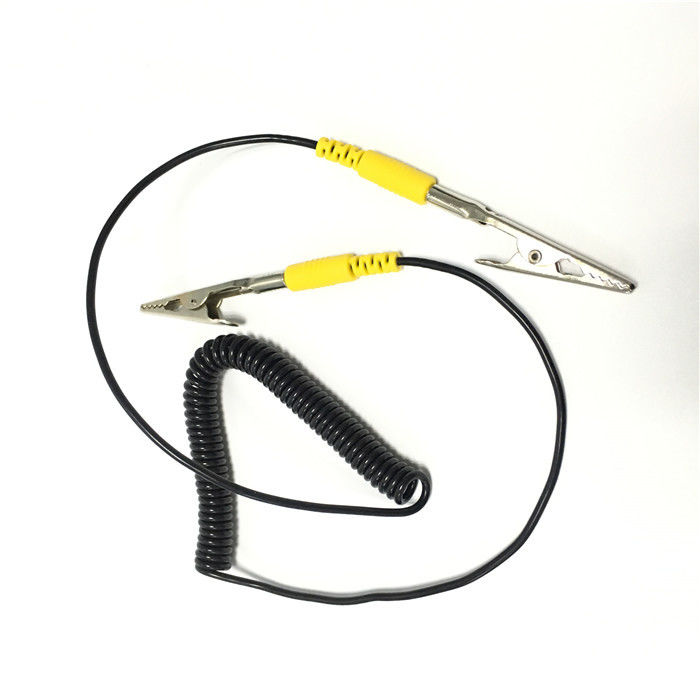
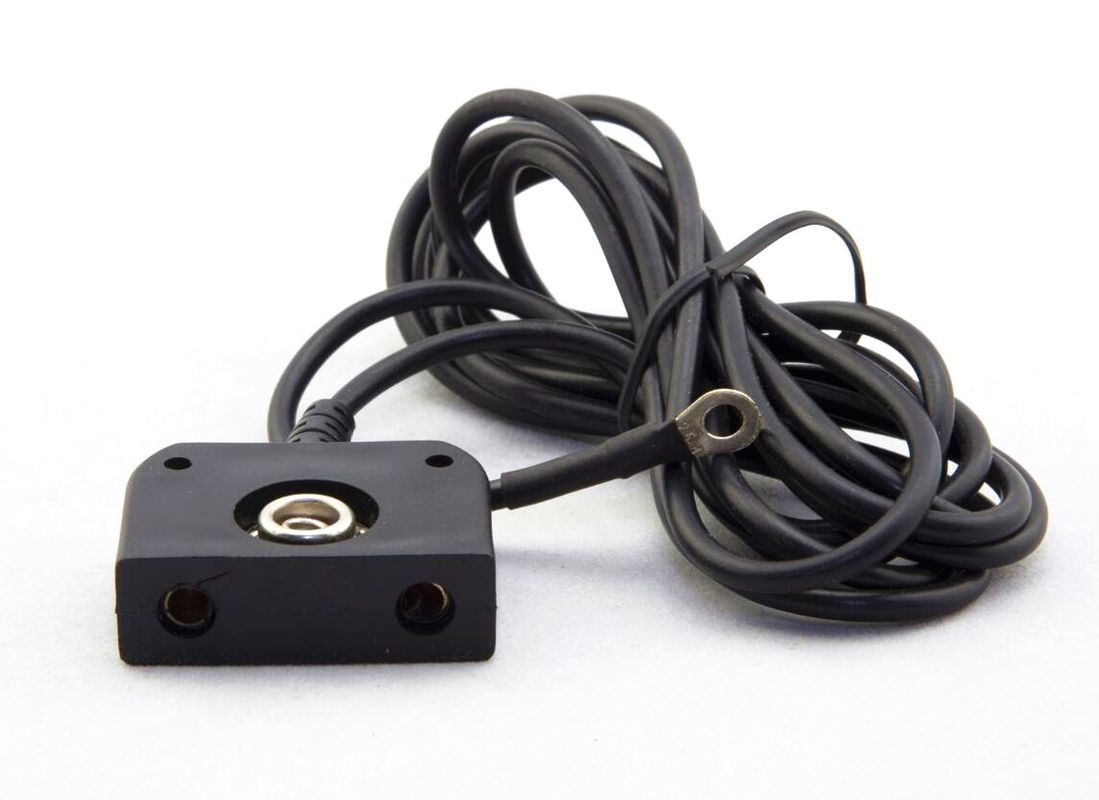
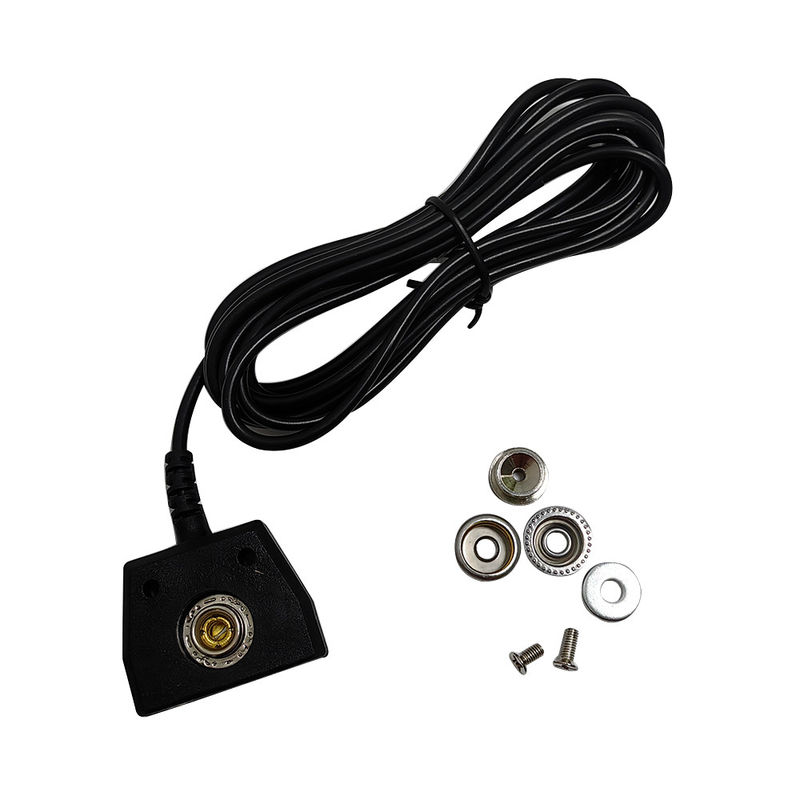
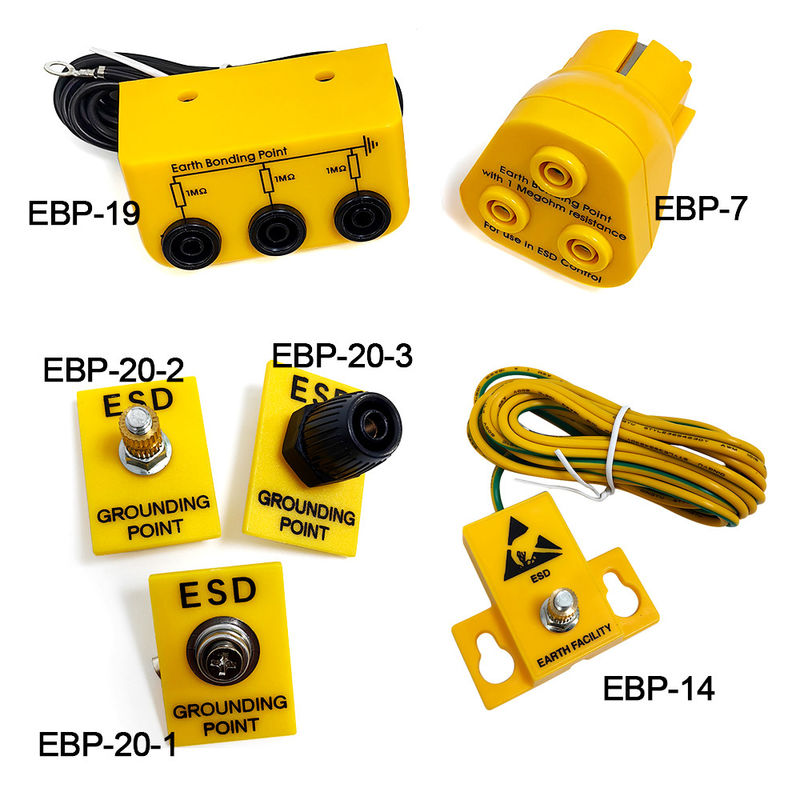
Looking for bench earthing rather than straps? Earth bonding plugs, common point ground cords, mat grounding cords and complete anti-static grounding kits sit in our ESD grounding accessories category, so start there for a full workstation kit.
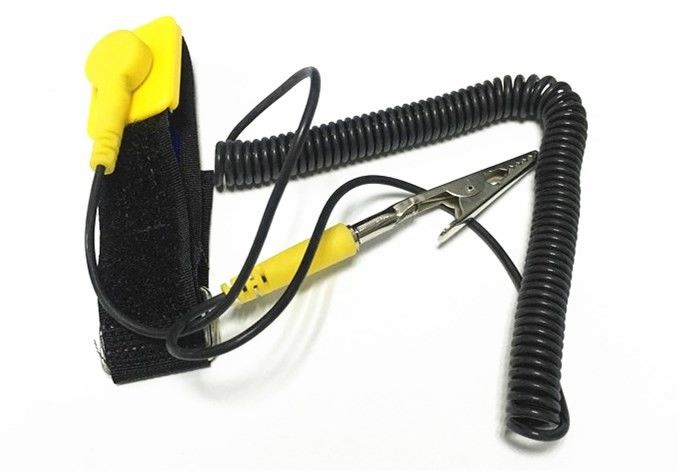
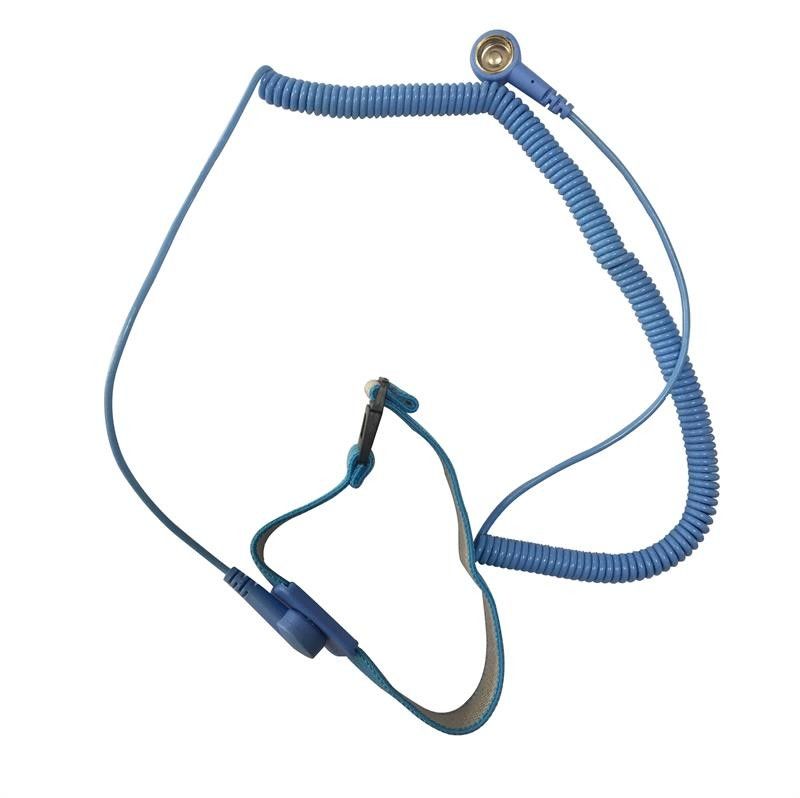
What a wrist strap system needs
| Part | Function | Notes |
|---|---|---|
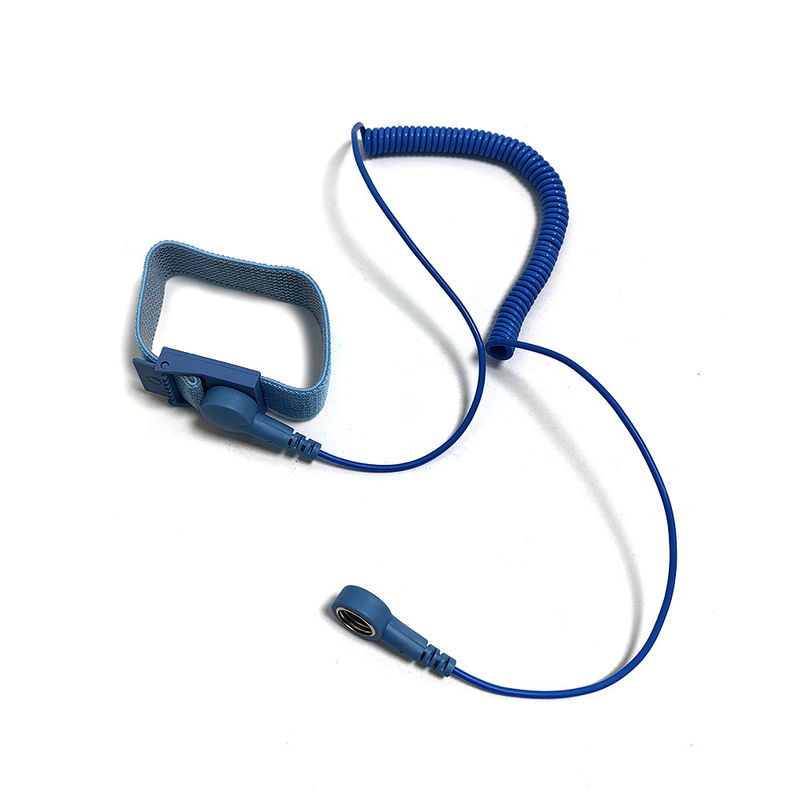
| Cuff | Skin contact | Fabric or adjustable metal; must be snug — loose = no path |
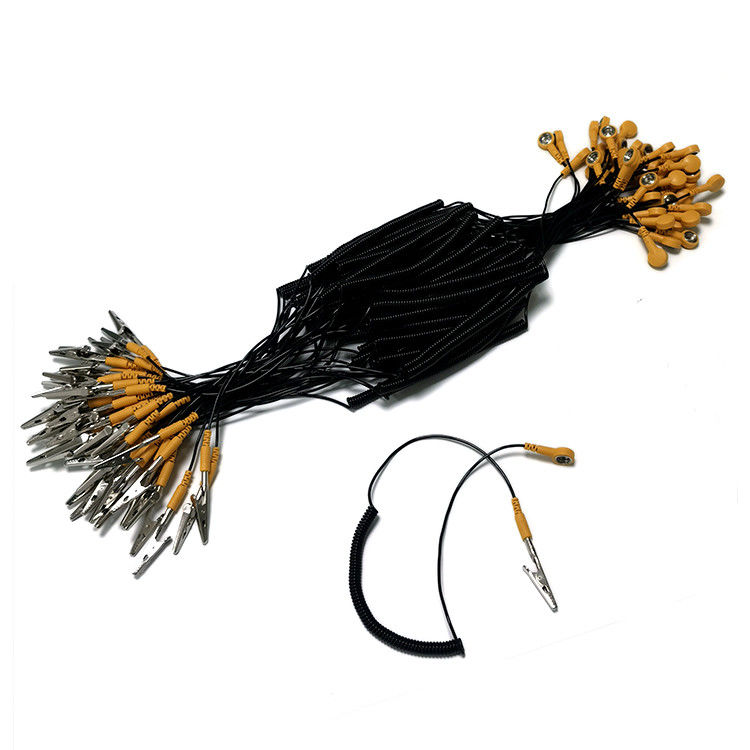
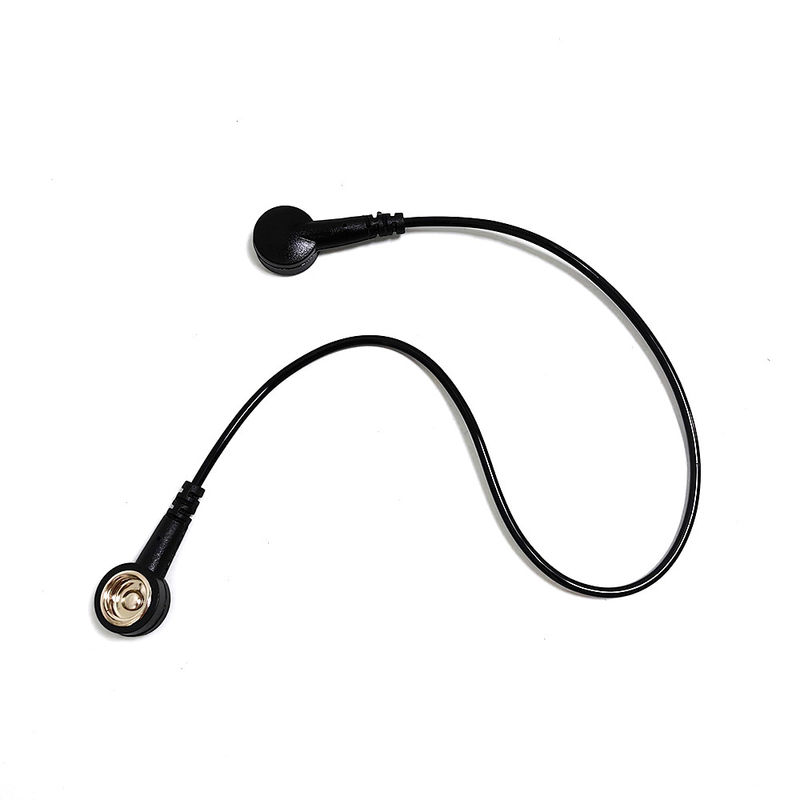
| Coil cord | Carries charge away | Contains the 1 MΩ resistor for operator safety |
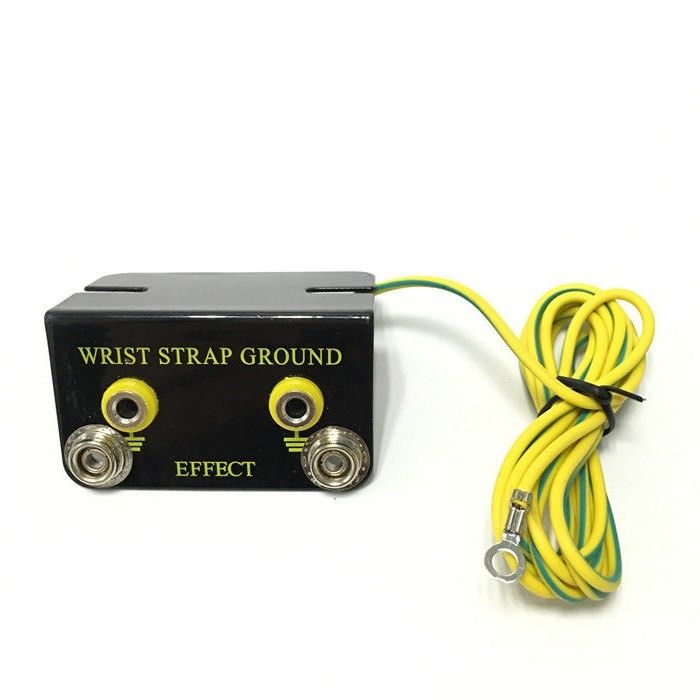
| Ground point | Terminates to earth | Banana jack / common point ground on the bench |
| Tester | Verifies the path | Daily check — straps fail silently |
Why the 1 megohm resistor
- It limits current if the operator ever contacts a live circuit — never bypass it or use a bare wire to ground.
- It still allows charge to bleed away in milliseconds, which is all ESD control requires.
- A cord with a damaged resistor is both a safety and an ESD failure.
Use it properly
- Skin contact — over a sleeve is not contact. The cuff must sit on skin.
- Test daily — cords fail internally with flexing and give no visible warning.
- Ground to the bench’s common point, not to a random screw or pipe.
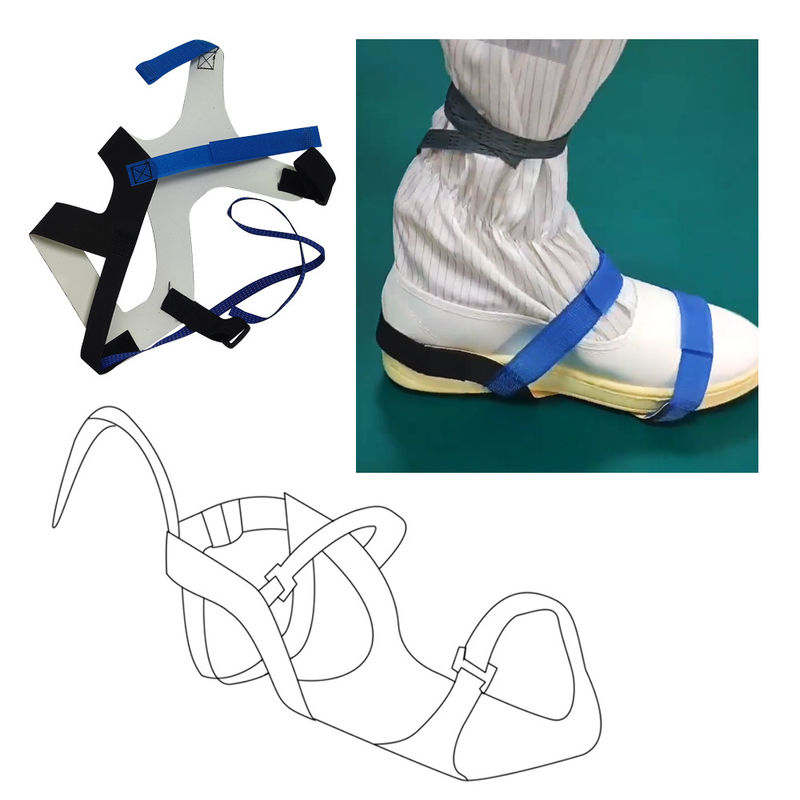
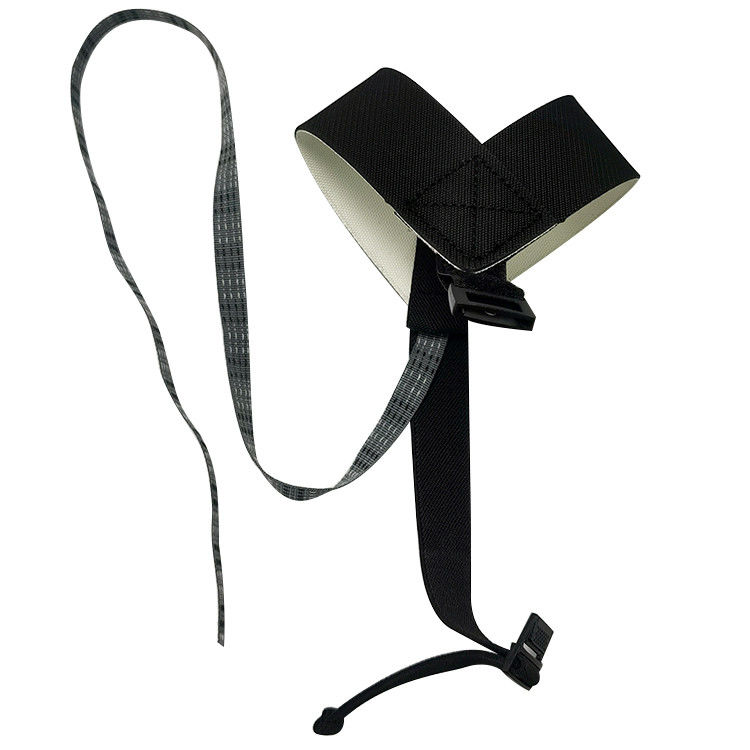
- Seated work only — for standing/moving operators use ESD footwear.
Frequently asked questions
Why does a wrist strap have a 1 megohm resistor?
For operator safety — it limits current if you contact a live circuit, while still bleeding static away fast enough for ESD control. Never bypass it.
How often should wrist straps be tested?
Daily, at the start of each shift, using a wrist-strap tester. Coil cords fail internally from flexing with no visible sign.
Can I wear it over my sleeve?
No — the cuff needs direct skin contact to provide a path. Over a sleeve the circuit is broken.
Wrist strap or ESD shoes?
Wrist strap for seated benches; ESD footwear plus dissipative flooring for standing or moving operators.
See also Grounding & Earthing Accessories and ESD Rubber Mats. Call +65 6555 1745.
ESD grounding wrist strap and anti static wrist strap
An ESD grounding wrist strap — also searched as an anti static wrist strap — is the first control most benches put in place, because the operator is usually the largest charge source in the room. The strap holds skin contact and the coil cord carries charge to a common point ground through a built-in 1 megohm resistor, which limits current if the operator ever touches a live conductor.
Choosing between the types
- Adjustable fabric band — general bench use, easy to share across shifts.
- Metal expansion band — better skin contact and longer service life, common in high-throughput lines.
- Coil cord length — pick the length that lets the operator reach the whole work area without stretching the cord taut.
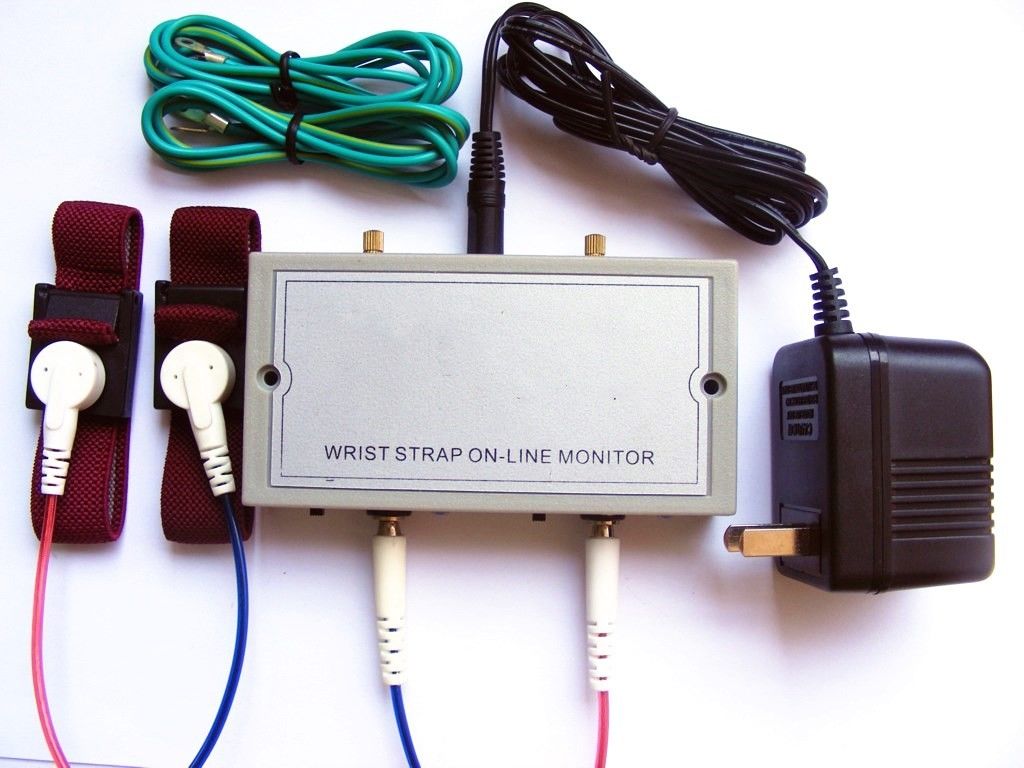
- Constant monitor — where an audit trail is required, this checks the strap continuously rather than once a shift.
Under IEC 61340-5-1 and ANSI/ESD S20.20 a strap has to be verified, not just worn — a daily touch test with a wrist strap tester is the usual method. A strap that passes the test can still fail in use if the cord is damaged or the band has dried out, so replace bands and cords on a schedule rather than on failure.