Industrial Engineering Blog — Singapore

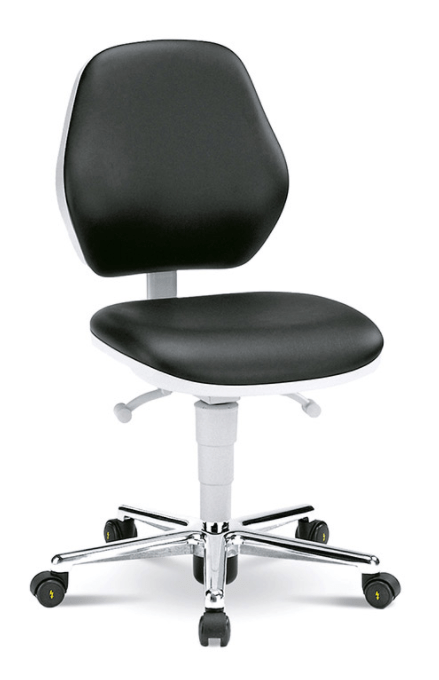
Bimos ergonomic chair used in Singapore industrial production

5 Signs Your Production Chairs Are Costing You Productivity

Worn production chairs quietly cost you output through fatigue, poor posture, lost time, and compliance failures. Here are five signs your seating is due for replacement — and what each one is costing you. 1. Flattened or Worn Seat Foam Once the foam loses its support, operators...
Bimos workstation chair specified for laboratory and aerospace use

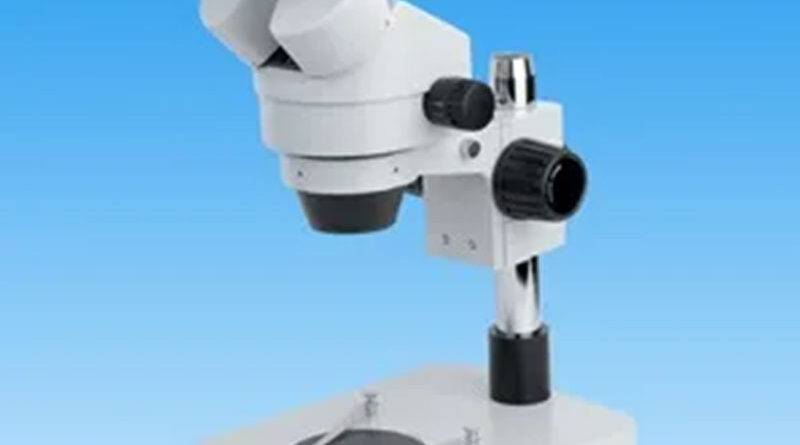
Setting Up a Compliant Microscopy Workstation Chair in Singapore Labs

A compliant microscopy workstation chair supports a stable, forward-leaning posture so the operator's eyes meet the eyepiece without hunching — reducing neck and back strain over long inspection shifts. The right chair, set up correctly, is as important to throughput and accuracy as the microscope...
ESD-safe chair used in electronics assembly and cleanroom workspaces

Bimos Chair Upholstery Guide: Vinyl, PU, or Supertec for Your Industry

Choose vinyl for economical, wipeable general use; PU (polyurethane) for seamless durability in cleanroom and heavy-duty settings; and Supertec for breathable, long-shift comfort. The right Bimos upholstery depends on your environment, cleaning regime, and how many hours a day the chair is occupied. Vinyl Vinyl (synthetic leather)...
Cleanroom chair used in Singapore pharmaceutical and lab environments

How Long Should an ESD Lab Chair Last? Singapore TCO Guide

A quality ESD lab chair should last 7 to 10 years — but its real lifespan is set by whether it keeps passing its ESD resistance test, not just by how the upholstery looks. Judging a chair on total cost of ownership, rather than purchase...
Ergonomic Bimos chair fitted for cleanroom and industrial workers

ISO Class 5 vs Class 7 Cleanroom Chairs: How to Spec Bimos Right

An ISO Class 5 cleanroom allows far fewer airborne particles than an ISO Class 7 room, so a Class 5 chair must shed almost no particles — sealed surfaces, cleanable frames, and sealed castors — while a Class 7 chair has more material latitude. Specifying...
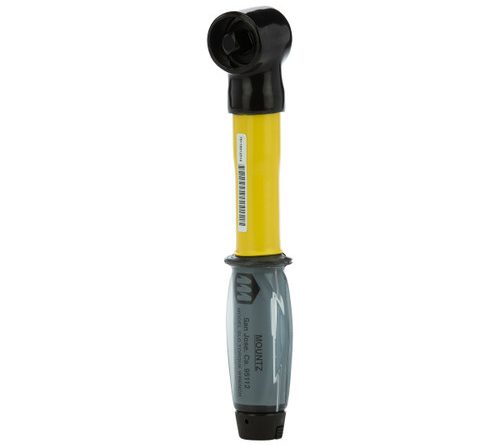
Mountz torque tool on a precision assembly workbench

Torque Multipliers Explained: When You Need 3,000 Nm Without the Strain

A torque multiplier is a precision gearbox that multiplies the torque you apply by hand — letting one person reach several thousand Newton-metres safely, without an impact wrench. When a fastener spec exceeds the practical hand limit of a torque wrench (roughly 1,000 Nm), a multiplier...
Torque tool undergoing accuracy calibration on a test bench

Pneumatic vs Electric Assembly Tools: Which Saves More on Energy?

Pneumatic tools win on upfront cost and durability; electric tools win on precision, data, and running cost — so "which saves money" depends on your volume, accuracy requirement, and whether you need traceability. For precision electronics and aerospace work, electric usually pays back; for heavy,...
Transducerized torque screwdriver in use on a PCB assembly line

Why Error-Proofing Tools Cut Rework Costs on PCB Assembly Lines

Error-proofing tools cut PCB rework costs by catching fastening mistakes at the workstation — before a board moves down the line or ships to a customer. A single missed, cross-threaded, or under-torqued screw on a populated board can cause a field failure that costs many...
Cleanroom-ready torque tool used during a calibration audit

Torque Calibration Frequency: A Singapore ISO Audit Checklist

Phil Industries' Take: What ISO Auditors Actually Look For in Singapore Torque Records As an authorised Mountz service partner in Singapore, Phil Industries has supported manufacturers through ISO 9001, AS9100, and IATF 16949 torque tool audits. The finding that causes the most audit non-conformances isn't calibration...