On paper, nitrile and latex gloves look interchangeable: both are thin, both are disposable, both pass the same basic tests. In a Singapore cleanroom, though, the differences decide whether you protect your product and your people or quietly create new problems. This guide covers what the spec sheet leaves out — static, chemicals, allergy risk and particle control — so you can specify the right glove with confidence.
Nitrile, latex or vinyl: the three-way choice
Most cleanroom teams actually choose between three materials, not two. Nitrile is a synthetic rubber with strong chemical and puncture resistance and no latex proteins. Latex is natural rubber with outstanding fit and elasticity, but it carries an allergy risk and degrades in oils and solvents. Vinyl (PVC) is the cheapest, yet it fits loosely and offers weak chemical and puncture protection, so it belongs in short, low-risk tasks. The table below sums up the trade-offs before we dig into the details.
| Property | Nitrile | Latex | Vinyl |
|---|---|---|---|
| Chemical resistance | High | Moderate | Low |
| Puncture resistance | High | Moderate | Low |
| Fit & dexterity | Very good | Excellent | Fair |
| Allergy risk | None (no proteins) | Type I latex protein | None |
| Best for | Cleanrooms, chemicals, most tasks | High-dexterity, dry work | Short, low-risk tasks |
The static problem with the wrong glove
In an ESD-protected area, a glove is part of the grounding path, so its material matters. An ordinary glove can insulate the hand and let charge build, which then discharges into a sensitive board. For static-controlled work you therefore want gloves designed for the job — see our anti-static gloves range — rather than a general disposable. Nitrile is the safer default here because it handles solvents used in electronics without swelling or breaking down.
Chemical resistance: where nitrile pulls ahead
Cleanroom and electronics work involves IPA, acetone, fluxes and other solvents. Latex softens and weakens against many of these, so breakthrough can happen faster than an operator expects. Nitrile resists a much wider range of chemicals, therefore it stays intact through typical wiping, bonding and rework tasks. For aggressive or prolonged chemical contact, step up to a dedicated chemical-resistant glove and check the breakthrough data for your specific solvent.
Latex allergy and your duty of care in Singapore
Natural rubber latex contains proteins that can trigger Type I allergic reactions, and repeated exposure can sensitise previously unaffected workers. Under Singapore’s Workplace Safety and Health framework, an employer has a duty to manage foreseeable health risks, and a recognised occupational sensitiser like latex falls squarely within that duty. Switching to nitrile removes the protein risk entirely, so many local electronics and medical facilities have moved to nitrile as standard for exactly this reason.
Powder-free is non-negotiable below ISO Class 7
Powdered gloves shed cornstarch particles that are catastrophic in a cleanroom, so anything below ISO Class 7 must be powder-free. Powder-free gloves are finished by chlorination or with a polymer coating to allow easy donning, and cleanroom-grade versions are washed and packaged to keep particle and extractable levels low. Always confirm the glove is both powder-free and cleanroom-packaged, because a powder-free medical glove is not automatically cleanroom-grade.
What else the spec sheet hides
- Thickness (mil): thicker gloves last longer and resist chemicals better, but thinner gloves give more touch sensitivity. Match the thickness to the task.
- AQL: the Acceptable Quality Level rates pinhole defects. A lower AQL means fewer failures, so it matters most for barrier-critical work.
- Cuff length: longer cuffs protect the wrist and seal against a cleanroom sleeve, therefore they reduce a common contamination gap.
- Texture: textured fingertips improve grip on small, wet or slippery parts.
How to choose, in practice
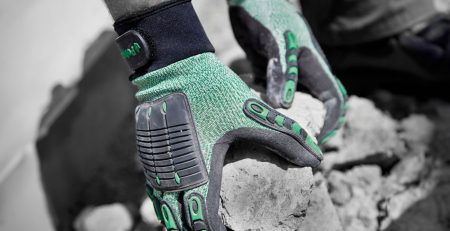
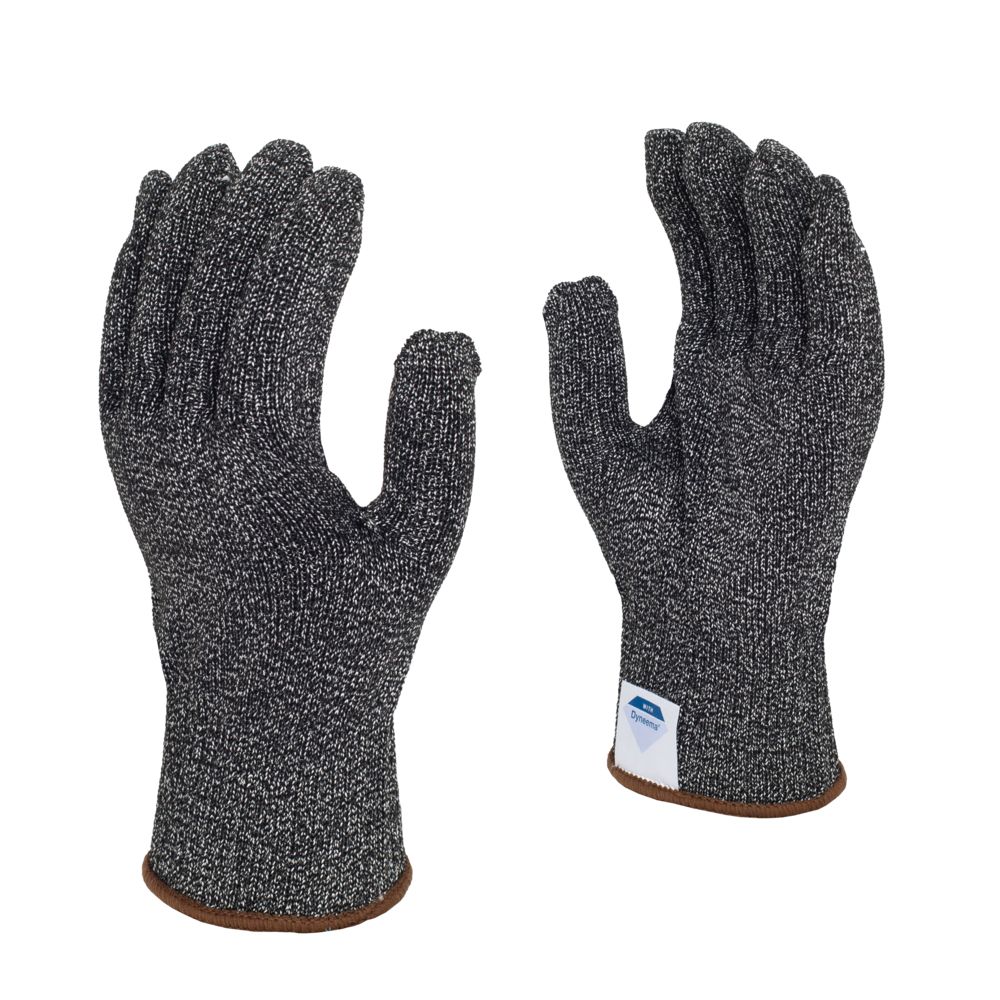
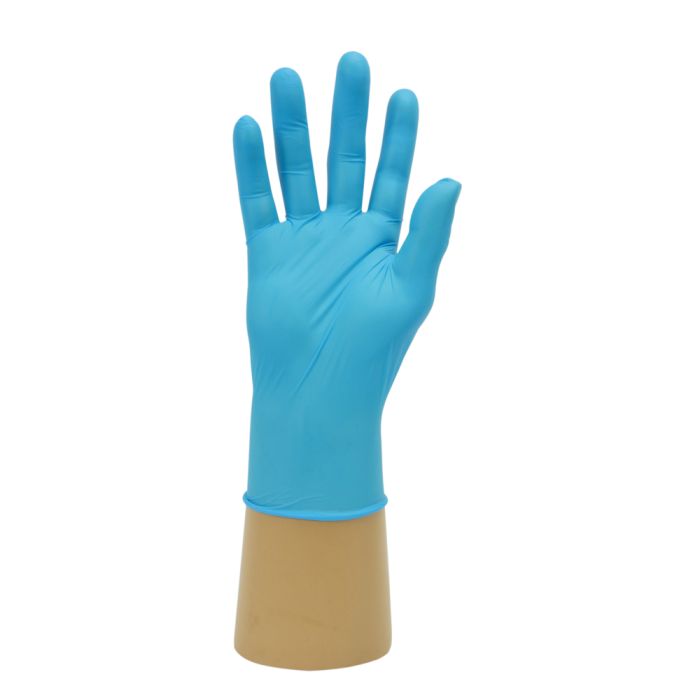
Start with the hazard. For chemicals, static or any allergy concern, nitrile is the sensible default, and you can browse nitrile gloves or the wider disposable gloves range to match thickness and cuff to your task. Choose latex only when maximum dexterity in dry, non-allergenic conditions outweighs its downsides. For mechanical hazards such as cut and abrasion, move to reusable industrial gloves rated to EN 388 instead of a disposable. When in doubt, request samples and a test report and trial them on your real process.
Frequently asked questions
Are nitrile gloves better than latex for cleanrooms?
For most cleanroom work, yes. Nitrile resists chemicals and punctures better and carries no latex allergy risk, so it is the safer default. Latex still wins only where its superior fit in dry, non-allergenic work is the priority.
Why must cleanroom gloves be powder-free?
Powder sheds particles that contaminate the environment, so any glove used below ISO Class 7 must be powder-free and, ideally, cleanroom-packaged to control particle and extractable levels.
Do nitrile gloves prevent static damage?
Not on their own. For an ESD-protected area, use gloves intended for static control alongside proper grounding, rather than relying on a standard disposable glove.
Is nitrile more expensive than latex?
Nitrile can cost a little more per box, but removing allergy risk and chemical failures usually lowers total cost. We quote by volume for Singapore buyers.
Where can I buy nitrile and cleanroom gloves in Singapore?
Phil Industries stocks nitrile, disposable and anti-static gloves in Singapore with fast quotation. Browse our glove range or contact us for a recommendation.