Gloves are easy to buy on habit and hard to notice when they are wrong. Because the wrong glove quietly costs you either protection or budget, here are three signs worth a second look on your line.
1. Hands react to the gloves
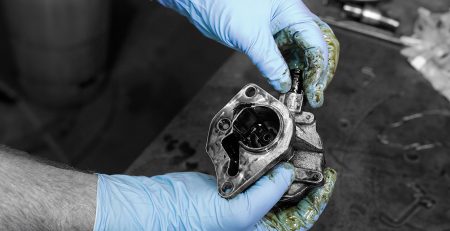
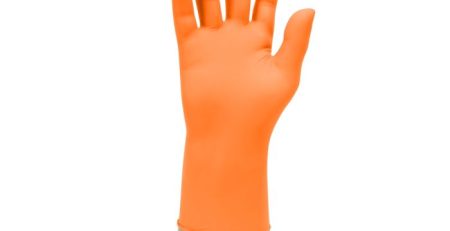
Rashes or irritation often point to a latex allergy or to powdered gloves. Switching to powder-free nitrile removes the protein-allergy risk entirely, which is why many electronics and medical sites have already moved.
2. Gloves tear or puncture too often
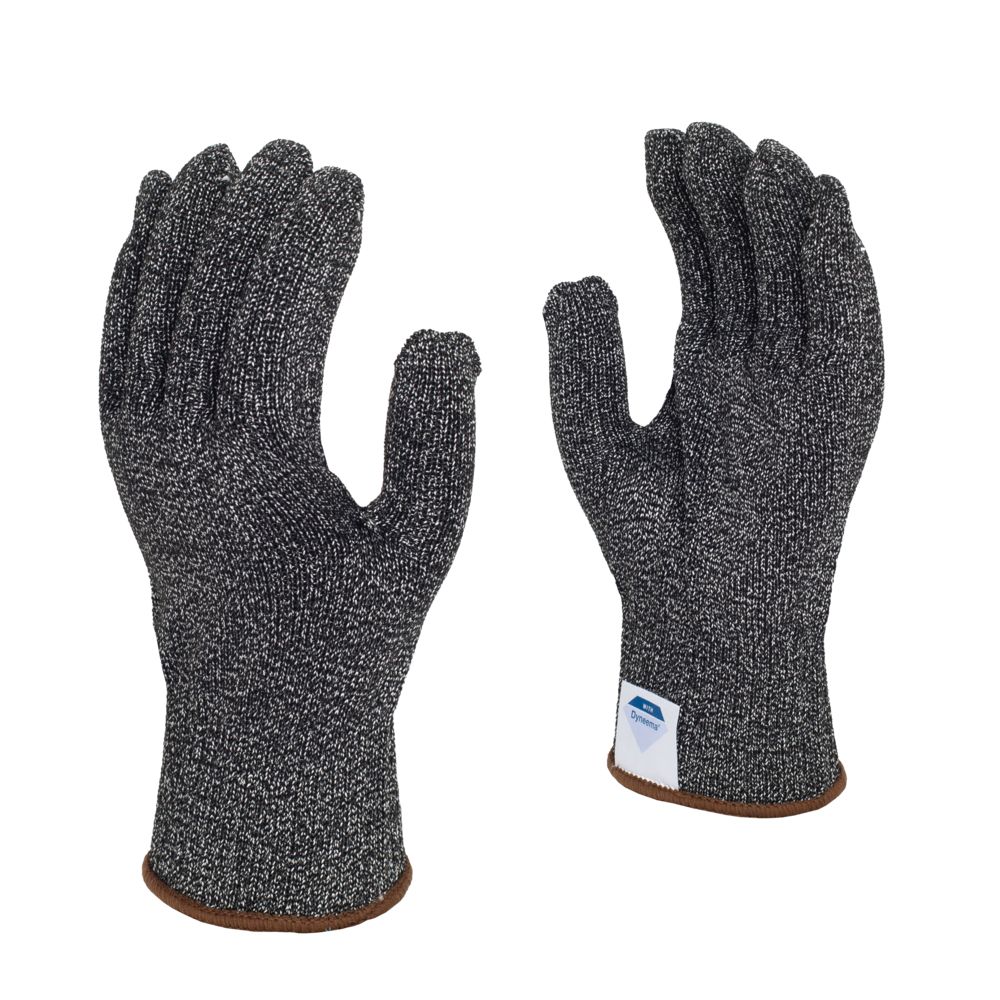
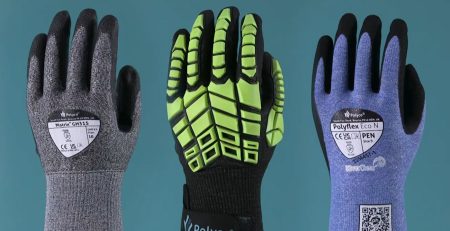
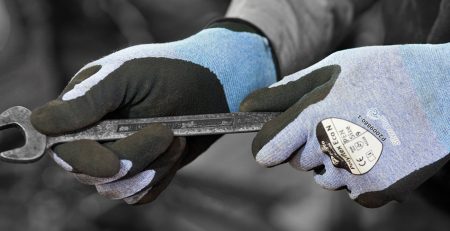
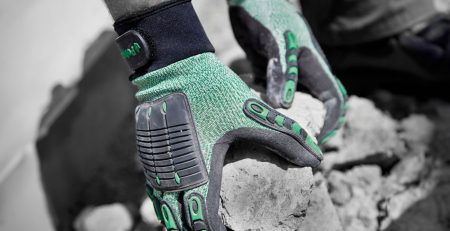
Frequent failures usually mean the glove is too thin or the wrong material for the task. For handling sharp edges or metal, a disposable glove is the wrong tool, and an EN 388 cut-resistant glove is the right one.
3. You use one glove for everything
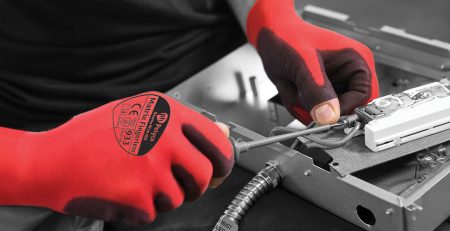
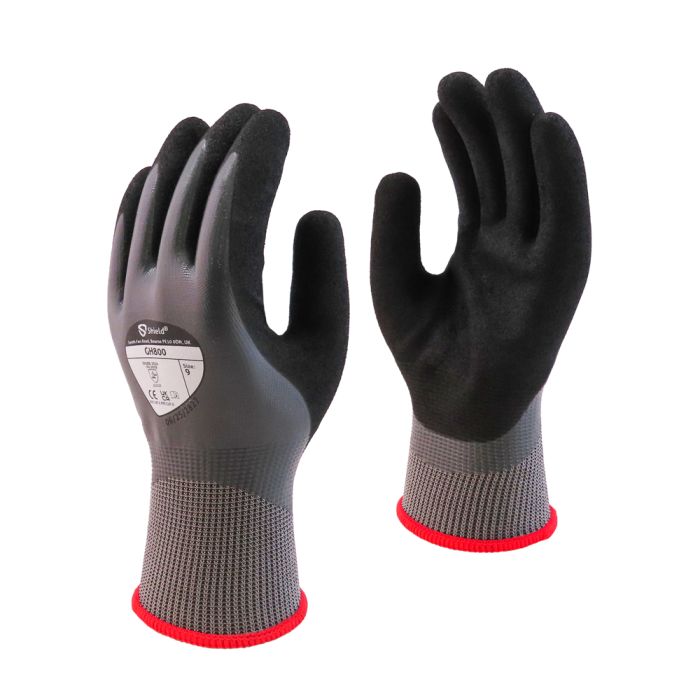
A single glove rarely fits contamination control and mechanical protection at once. Matching the glove to the task, for example nitrile for assembly and cut-resistant for handling, protects both your people and your margin.
Our guide to EN glove standards explains the ratings, and Phil Industries stocks nitrile and cut-resistant ranges for electronics, medical, and industrial work.
Frequently asked questions
Is nitrile always better than latex? For most electronics and lab work, yes, because it resists chemicals and punctures well and carries no latex-allergy risk.
What does EN 388 cover? Mechanical protection: abrasion, cut, tear, and puncture resistance.
Want a glove review for your line? Contact Phil Industries at kenneth@phil-industries.com or WhatsApp +65 9853 9030.