Key takeaways
- Nitrile wins on chemical and puncture resistance with no latex-allergy risk, so it is the default for most electronics, medical, and lab work.
- Latex offers the best fit and feel, but Type I allergy risk has pushed many facilities to phase it out.
- Cut-resistant gloves rated to EN 388 solve a different job, because they provide mechanical protection rather than contamination control.
Just get us some gloves is how facilities end up with the wrong box. A disposable nitrile glove, a latex exam glove, and an EN 388 cut-resistant glove solve three different problems. Therefore, using one for another job costs you either safety or money, whether the setting is electronics, a medical cleanroom, or pharma packing.
| Factor | Nitrile | Latex | Cut-resistant (EN 388) |
|---|---|---|---|
| Best for | Electronics, lab, chemical handling | High-dexterity tasks | Sharp edges, glass, metal |
| Chemical resistance | High | Moderate | Not applicable |
| Puncture resistance | High | Low to moderate | High |
| Allergy risk | None (synthetic) | Type I latex allergy | Depends on material |
| Tactile feel | Good | Excellent | Lower |
| Cleanroom use | Yes (powder-free, low-particle) | Less common | Rarely |
When should you choose nitrile?
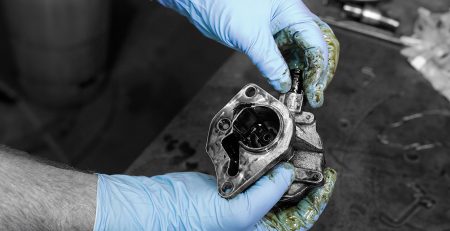
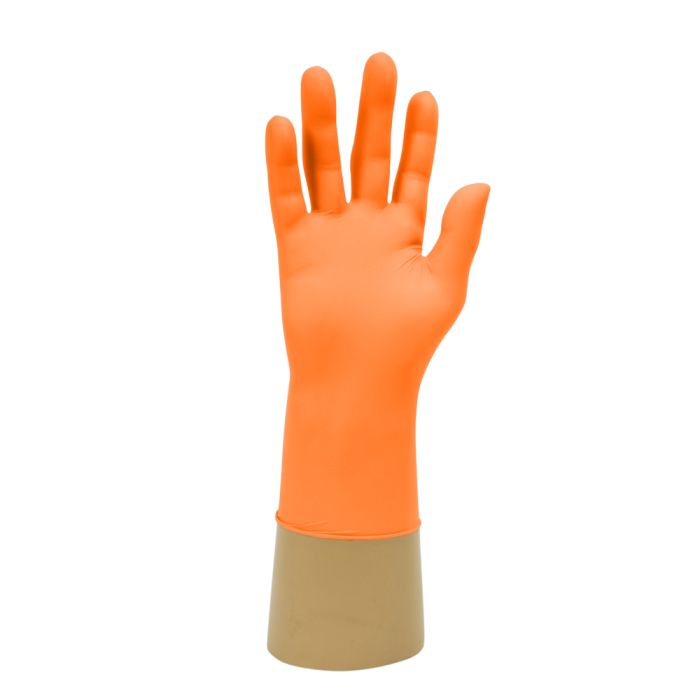
Nitrile is the default for electronics assembly, labs, medical handling, and chemical work. Because it resists a wide range of chemicals, punctures less easily than latex, and is fully synthetic, there is no latex-protein allergy risk. For cleanroom use, therefore, specify powder-free, low-particle grades.
Is there still a case for latex?
Latex still offers the best fit and fingertip sensitivity for delicate, high-dexterity tasks. However, the Type I allergy risk has pushed many electronics and medical facilities toward nitrile, so if you do use latex, keep it powder-free.
Where do cut-resistant gloves fit?
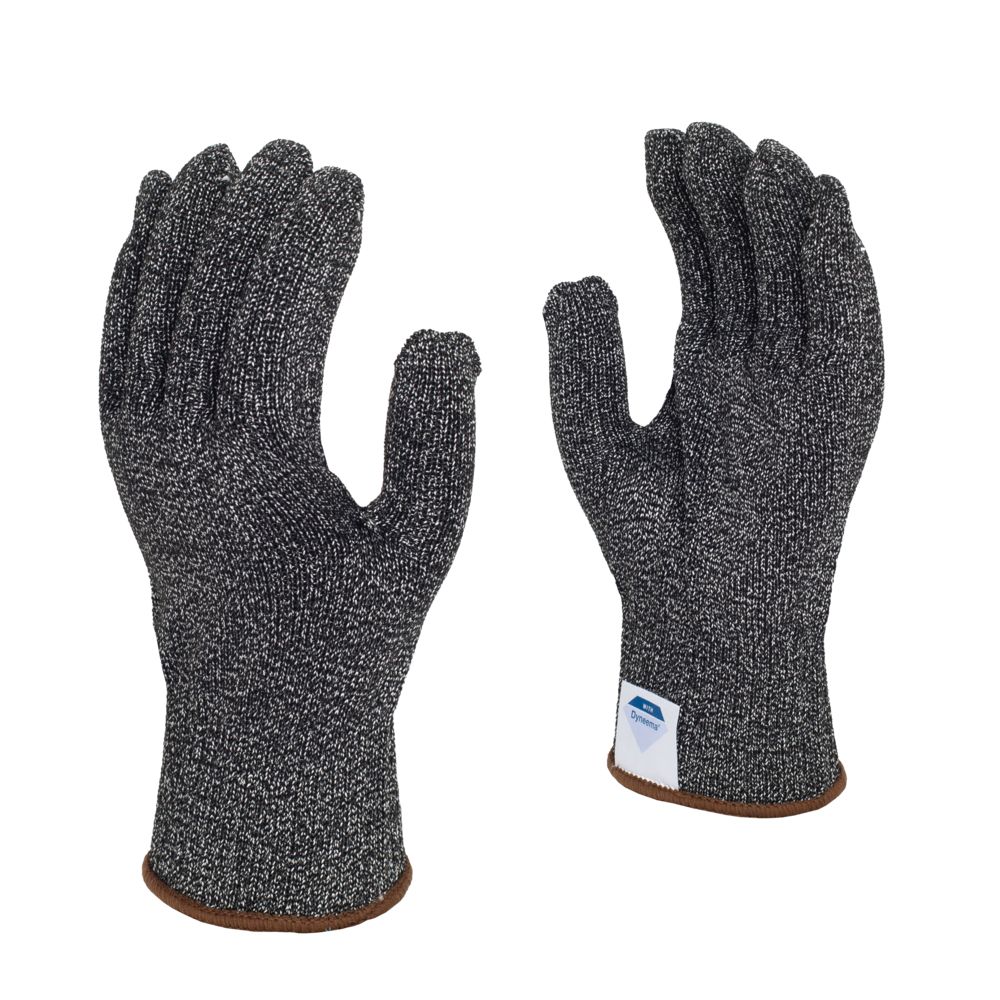
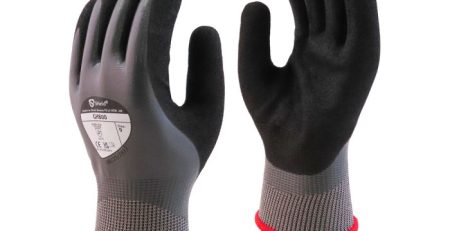
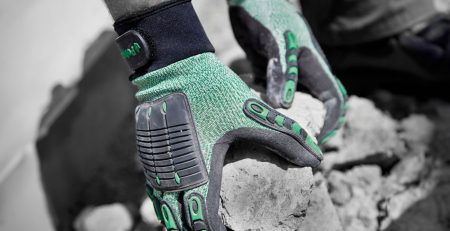
Cut-resistant gloves solve a mechanical problem, not a contamination one. For example, they are rated under EN 388 for abrasion, cut, tear, and puncture, so they belong wherever people handle sharp metal, glass, or blades.
What this means for your line
You should not have to compromise. For instance, Phil Industries carries nitrile gloves for contamination control and cut-resistant industrial gloves for mechanical protection, and our guide to EN glove standards explains the ratings.
Frequently asked questions
Are nitrile gloves better than latex? For most electronics and lab work, yes, because they offer better chemical and puncture resistance and no allergy risk; latex only wins on fit and feel.
What does EN 388 mean? It is the European standard that rates a glove mechanical protection: abrasion, cut, tear, and puncture resistance.
Can nitrile gloves be used in a cleanroom? Yes, provided they are powder-free, low-particle cleanroom grades.
Matching gloves to electronics, medical, pharma, or industrial tasks? Contact Phil Industries at kenneth@phil-industries.com or WhatsApp +65 9853 9030.