Heat-resistant gloves for foundry work are graded under EN 407, which scores six separate thermal hazards — so the right glove depends on which type of heat you face, not a single “heat rating”. A glove ideal for handling hot castings may be wrong for molten-metal splash, and vice versa.
Understanding EN 407 Thermal Performance
EN 407 rates a glove from 1 to 4 on each of six properties:
- Burning behaviour
- Contact heat (level 4 protects up to 500°C)
- Convective heat
- Radiant heat
- Small splashes of molten metal
- Large quantities of molten metal
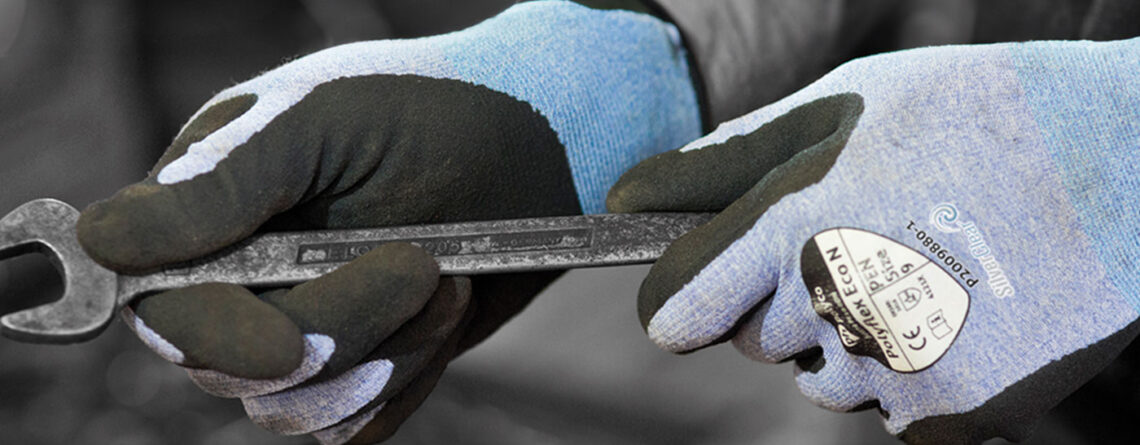
Read the six-digit code under the pictogram and match each digit to the hazards in your process. A “0” or “X” means the glove was not tested or failed for that hazard.
Matching Glove Material to Foundry Heat
Leather handles contact heat and abrasion well for general casting handling. Aramid (Kevlar-type) fabrics resist higher temperatures without melting and suit furnace and forging areas. Terry-cotton liners add convective-heat insulation. For molten-metal splash, look specifically at the last two EN 407 digits rather than overall “heat resistance”.
Why This Matters in Singapore
Singapore foundries and metalworking shops combine high process heat with high ambient humidity, so glove comfort and grip degrade fast. Specify to the actual hazard digits and balance protection against the breathability workers need to keep gloves on through the shift.
Phil Industries’ Take: Heat-Resistant Glove Selection for Singapore’s Industries
We supply EN 407-rated heat-resistant gloves to Singapore glass manufacturers, foundries, precision casting operations, and food processing facilities. The selection mistake we see most often is over-specifying contact heat protection while under-specifying convective heat. For Singapore glass handling and furnace work, convective heat (hot air and radiant energy from furnace openings) is often the primary exposure, and EN 407 contact heat ratings don’t reflect this. We help customers read the full EN 407 six-digit code so they’re matching glove performance to actual exposure — not just the most visible number on the label.
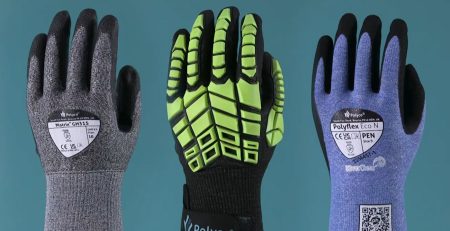
One Singapore-specific consideration: dexterity in tropical heat. Many EN 407 gloves are bulky and reduce hand dexterity, which causes workers in Singapore’s already-warm production environments to remove them during handling steps — defeating the purpose. We’ve had success specifying thinner aluminised gloves for radiant heat applications where full thermal protection isn’t needed but compliance requires rated PPE. Polyco’s EN 407 range offers several thin-profile options that maintain compliance without the dexterity penalty.
Contact Phil Industries at +65 6555 1745 for EN 407 glove samples and product demonstrations for your Singapore facility.
Frequently Asked Questions
What standard covers heat-resistant gloves?
EN 407 grades thermal performance across six hazards — burning behaviour, contact, convective and radiant heat, plus small and large molten-metal splashes — each scored 1 to 4.
What temperature can heat-resistant gloves handle?
It depends on the hazard type. Contact-heat level 4 protects up to 500°C, but convective, radiant, and molten-metal protection are scored separately. Always match the specific EN 407 digit to your process.
Which glove material is best for foundries?
Leather for general casting handling, aramid (Kevlar-type) for higher furnace and forging temperatures, with terry-cotton liners for convective heat. For molten metal, prioritise the molten-splash ratings.
Protect Your Foundry Team
Phil Industries supplies heat-resistant and industrial gloves in Singapore through the Polyco industrial gloves range. Tell us your process temperatures and hazards and we will specify to EN 407. Call +65 6555 1745 or request a quote.