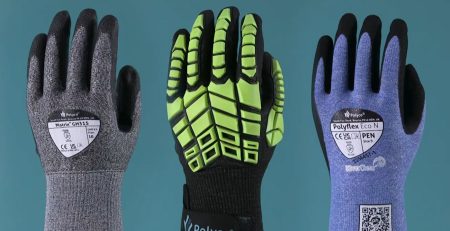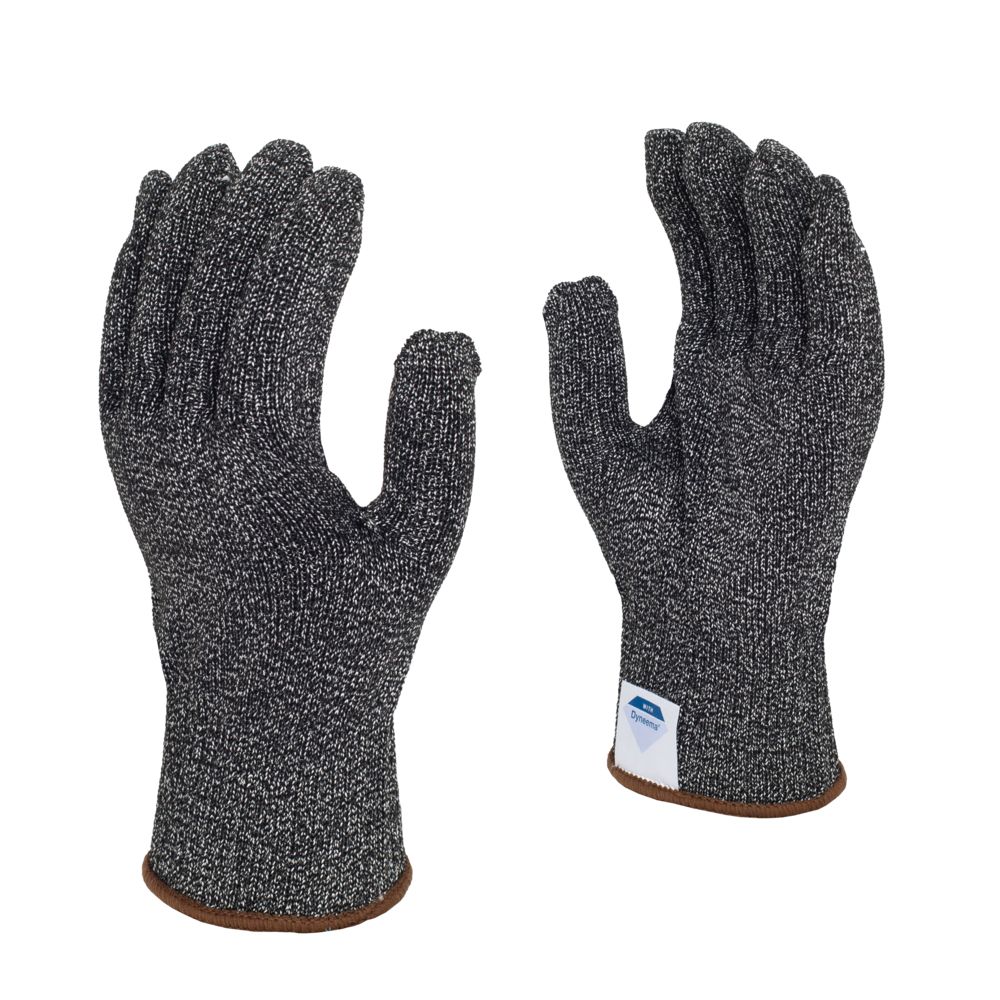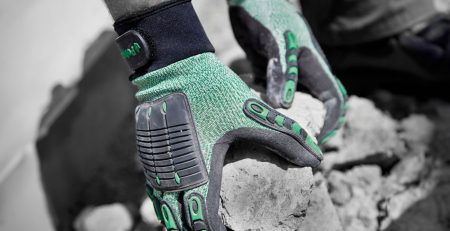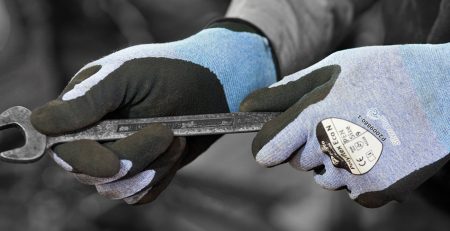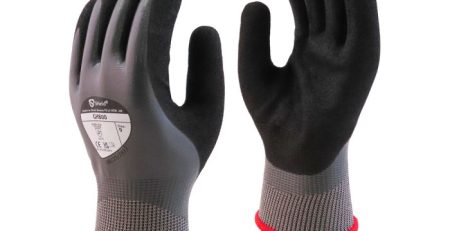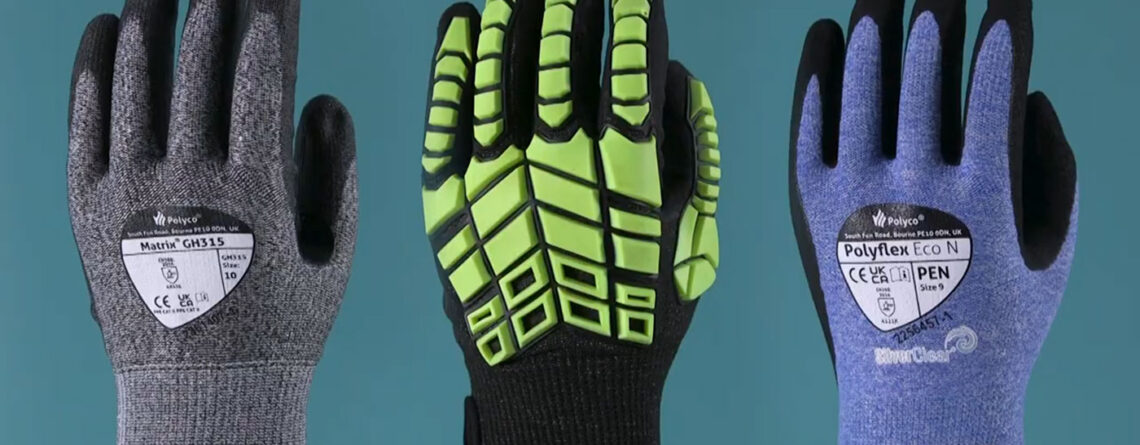
Bladeshades and Bladerunner are both Cut Level F cut-resistant glove ranges — the highest cut rating under EN 388:2016 — so the deciding factor is not cut protection but grip, dexterity, and coating suited to your task. Understanding what Cut Level F means is the first step to choosing correctly.
What Cut Level F Actually Means
EN 388:2016 grades cut resistance from A (lowest) to F (highest) using the ISO 13997 TDM test, which measures the force in Newtons needed to cut through the material:
| Cut level | Force (Newtons) |
|---|---|
| A | 2 N |
| B | 5 N |
| C | 10 N |
| D | 15 N |
| E | 22 N |
| F | 30 N and above |
Cut Level F is specified for the most severe cut hazards — glass handling, sharp metal stampings, blade changing, and recycling.
How to Choose Between Two Level F Gloves
When two gloves share the same cut rating, judge them on the things that determine whether workers actually keep them on: coating (PU for fine handling, nitrile foam for grip in oily conditions), dexterity for the task, breathability for Singapore’s heat and humidity, and fit. The most protective glove is the one your team will wear all shift.
Phil Industries’ Take: What Singapore Cut-Protection Buyers Actually Choose
Phil Industries supplies Polyco cut-resistant gloves to Singapore glass handling operations, sheet metal fabricators, and precision manufacturing facilities. In practice, the choice between Bladeshades and Bladerunner usually comes down to one factor our customers don’t always anticipate: grip retention when the glove gets wet or oily. Singapore’s manufacturing environment — particularly in food processing, precision engineering, and petrochemical maintenance — involves exposure to cutting oils, coolants, and condensation. In these conditions, Bladerunner’s foam nitrile coating provides significantly better wet grip than Bladeshades’ thinner coating.
One thing we consistently advise Singapore buyers: always size down by one if you’re between sizes. Loose-fitting cut-resistant gloves are a common cause of cut injuries because the material bunches under pressure and loses its cut-resistance geometry. We stock both models across the full size range (6–11) from our Ubi warehouse for next-day delivery.
Contact Phil Industries at +65 6555 1745 for Polyco cut-resistant glove samples and technical datasheets for your Singapore application.
Frequently Asked Questions
What is the highest cut resistance level?
Cut Level F under EN 388:2016 is the highest, requiring 30 Newtons or more to cut through, measured by the ISO 13997 TDM test.
When do I need a Cut Level F glove?
For severe cut hazards — handling glass, sharp sheet metal and stampings, blade changes, and recycling. Lower hazards are well served by levels C to E.
If two gloves are both Level F, how do I choose?
Compare coating, grip, dexterity, breathability, and fit. With cut protection equal, comfort and task suitability decide which glove performs in practice.
Specify the Right Cut-Resistant Glove
Phil Industries supplies the Polyco cut-resistant range in Singapore through our cut-resistant gloves category. Send us your task and we will match the cut level, coating and fit. Call +65 6555 1745 or request a quote.