To find your glove size, measure the circumference of your palm in inches — that number is your glove size. A size 8 glove suits a palm measuring about 8 inches (203 mm) around. Getting this right matters: a glove that is too large snags and loses grip, while one that is too small causes hand fatigue and splits at the seams. Both raise injury rates and replacement costs.
How to Measure Your Glove Size
Wrap a tape measure around the widest part of your palm, just below the knuckles, excluding the thumb. Read the circumference in inches and round to the nearest whole number. If you are between sizes, size up for comfort on long shifts or down for fine-dexterity work.
EN 420 Glove Size Chart
| Size | Letter | Palm circumference |
|---|---|---|
| 6 | XS | 152 mm (6") |
| 7 | S | 178 mm (7") |
| 8 | M | 203 mm (8") |
| 9 | L | 229 mm (9") |
| 10 | XL | 254 mm (10") |
| 11 | XXL | 279 mm (11") |
Why Fit Affects Safety and Cost
An oversized glove leaves loose fingertips that catch in machinery and blunt your grip, increasing drops and snag injuries. An undersized glove restricts movement, tires the hand, and tears prematurely — driving up consumption. Correct sizing improves dexterity, comfort, and the working life of every glove.
Phil Industries’ Take: Why Singapore Glove Returns Are Usually a Sizing Problem
A significant share of the glove returns and replacements we handle for Singapore customers come down to one thing: the buyer ordered by weight or cut level, not by size distribution. A bulk order of size 9 gloves for a team whose hands range from size 7 to 10 means a large portion of the workforce is either working in gloves that slip or gloves that restrict blood flow. Both scenarios lead to the same outcome — workers removing their gloves during critical tasks. We always recommend requesting a mixed-size sample pack before committing to a bulk order, and we provide this for all Polyco glove ranges we carry.
Contact Phil Industries at +65 6555 1745 to request Polyco glove samples across sizes for your Singapore team’s fitting assessment.
Frequently Asked Questions
How do I measure my glove size?
Measure the circumference of your palm in inches at the widest point below the knuckles. That figure is your glove size — e.g. 8 inches equals a size 8 (medium).
What is EN 420?
EN 420 is the European standard for general requirements of protective gloves, including sizing, dexterity, and comfort. Glove sizes 6 to 11 follow its measurement chart.
What happens if gloves don’t fit properly?
Too large reduces grip and snags; too small causes fatigue and tears. Both increase injury risk and how often gloves are replaced.
Get the Right Fit Across Your Team
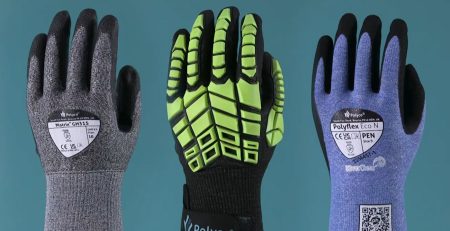
Phil Industries stocks the Polyco Healthline range in sizes 6–11 across disposable and industrial gloves. We can supply sample sizes so your team can fit-test before you commit to volume. Call +65 6555 1745 or request a quote.