25Apr
25Apr
Heat-Resistant Gloves for Singapore Foundries: An EN 407 Buyer Guide
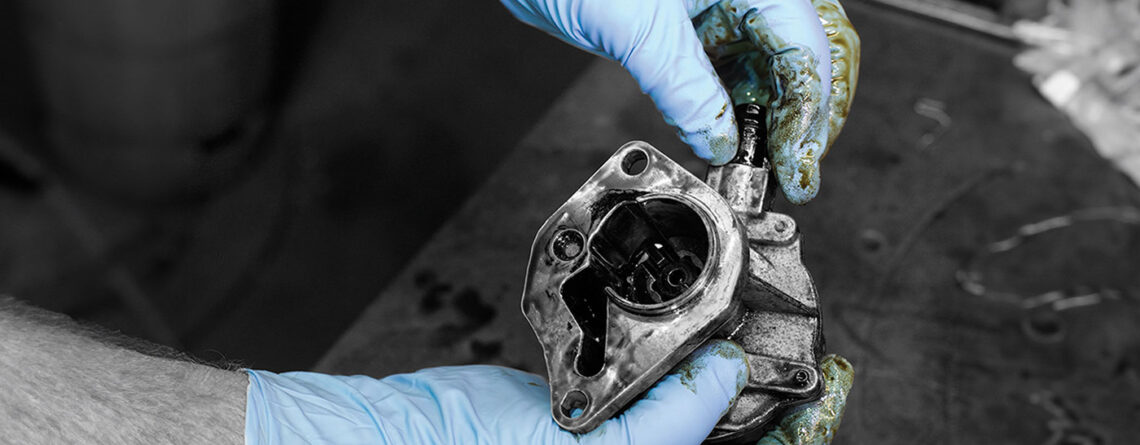
Heat-resistant gloves for foundry work are graded under EN 407, which scores six separate thermal hazards — so the right glove depends on which type of heat you face, not a single "heat rating". A glove ideal for handling hot castings may be wrong for molten-metal...
25Apr
Chemical-Resistant Gloves for Singapore Electronics Cleanrooms
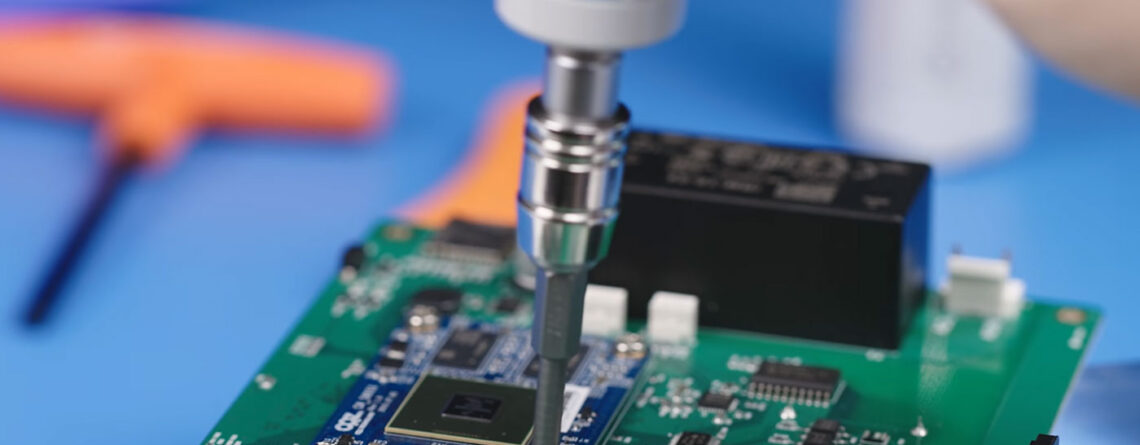
Chemical resistant gloves cleanroom use face a triple challenge: protect the operator from solvents, protect the wafer or board from contamination, and survive a full shift without breaking through. First, the framing. Most general-purpose chemical gloves shed too many particles for ISO Class 5 work,...
25Apr
Polyco Bladeshades vs Bladerunner: Cut Level F Gloves Compared
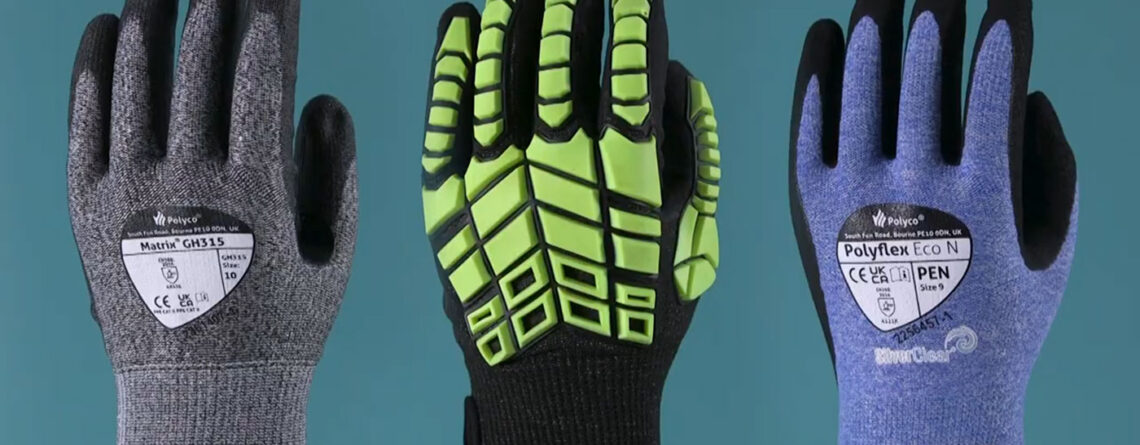
Bladeshades and Bladerunner are both Cut Level F cut-resistant glove ranges — the highest cut rating under EN 388:2016 — so the deciding factor is not cut protection but grip, dexterity, and coating suited to your task. Understanding what Cut Level F means is the first...
25Apr
5 Signs Your Production Chairs Are Costing You Productivity
Worn production chairs quietly cost you output through fatigue, poor posture, lost time, and compliance failures. Here are five signs your seating is due for replacement — and what each one is costing you. 1. Flattened or Worn Seat Foam Once the foam loses its support, operators...
25Apr
Setting Up a Compliant Microscopy Workstation Chair in Singapore Labs
A compliant microscopy workstation chair supports a stable, forward-leaning posture so the operator's eyes meet the eyepiece without hunching — reducing neck and back strain over long inspection shifts. The right chair, set up correctly, is as important to throughput and accuracy as the microscope...
25Apr
Bimos Chair Upholstery Guide: Vinyl, PU, or Supertec for Your Industry
Choose vinyl for economical, wipeable general use; PU (polyurethane) for seamless durability in cleanroom and heavy-duty settings; and Supertec for breathable, long-shift comfort. The right Bimos upholstery depends on your environment, cleaning regime, and how many hours a day the chair is occupied. Vinyl Vinyl (synthetic leather)...
25Apr
How Long Should an ESD Lab Chair Last? Singapore TCO Guide
A quality ESD lab chair should last 7 to 10 years — but its real lifespan is set by whether it keeps passing its ESD resistance test, not just by how the upholstery looks. Judging a chair on total cost of ownership, rather than purchase...
25Apr
ISO Class 5 vs Class 7 Cleanroom Chairs: How to Spec Bimos Right
An ISO Class 5 cleanroom allows far fewer airborne particles than an ISO Class 7 room, so a Class 5 chair must shed almost no particles — sealed surfaces, cleanable frames, and sealed castors — while a Class 7 chair has more material latitude. Specifying...
25Apr