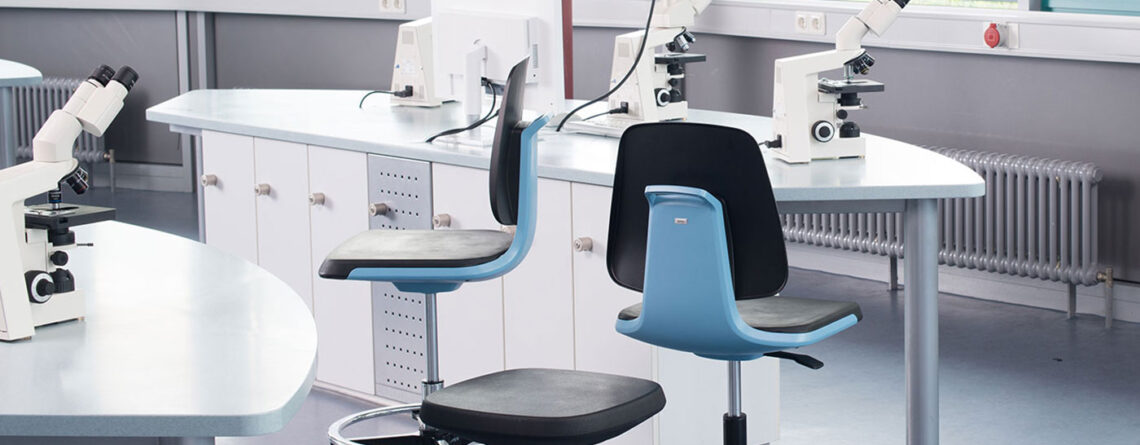
A quality ESD lab chair should last 7 to 10 years — but its real lifespan is set by whether it keeps passing its ESD resistance test, not just by how the upholstery looks. Judging a chair on total cost of ownership, rather than purchase price, almost always favours the better-made chair.
What Wears Out First
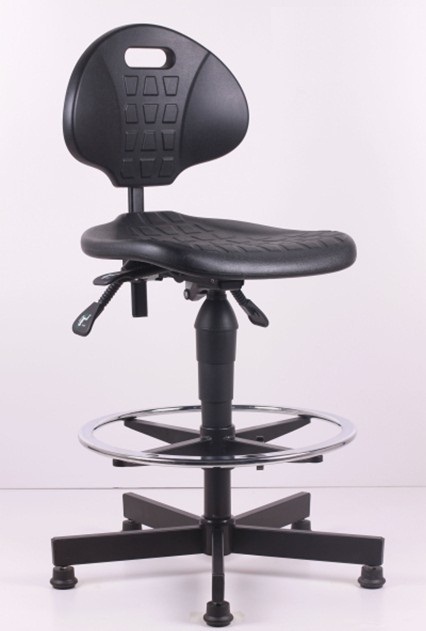
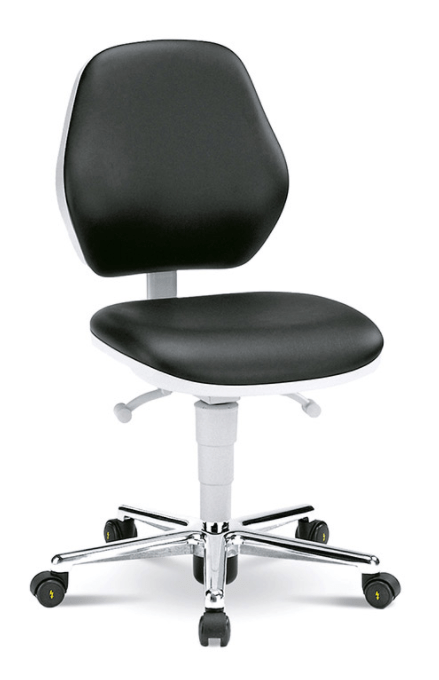
The gas lift, castors, and upholstery are the usual first points of wear. None of these are cosmetic: a sagging gas lift ruins posture, worn castors drag, and cracked upholstery breaks the conductive path that makes the chair ESD-safe in the first place.
The Part That Really Matters: ESD Function
An ESD chair must maintain a controlled resistance to ground — typically in the 106 to 109 ohm range under ANSI/ESD STM12.1. Test chairs periodically. A chair that has dropped out of spec is no longer protecting your devices, regardless of its age or appearance, and should be re-grounded or replaced.
Total Cost of Ownership
A cheap ESD chair replaced every two to three years — plus the cost of any compliance gap it creates — usually costs more over a decade than one quality chair maintained well. Spreading the purchase price across years of compliant service is the fair way to compare options.
Phil Industries’ Take: ESD Chair TCO from Our Singapore Customers’ Experience
Based on the replacement and upgrade requests we handle from Singapore ESD labs, the most common driver of premature chair replacement isn’t structural failure — it’s degradation of the ESD grounding path. The conductive or dissipative foam and upholstery on ESD chairs slowly loses its electrical properties as it compresses, gets cleaned with incompatible chemicals, or ages. We typically see this happen at the 4–6 year mark in high-use production environments, and earlier if the chair is exposed to silicone-based cleaning agents.
One thing our Singapore semiconductor clients have found valuable is periodic ESD auditing of their seating — using a wrist strap tester to verify the chair-to-ground resistance (should be between 1MΩ and 100MΩ) every 6 months as part of the EPA audit. This catches failing chairs before they become a source of ESD events rather than after. Bimos chairs supplied through Phil Industries come with surface resistance documentation so your baseline measurement is known from day one.
Contact Phil Industries at +65 6555 1745 to discuss Bimos ESD chair specifications for your Singapore lab or production facility.
Frequently Asked Questions
How long does an ESD lab chair last?
Around 7 to 10 years with normal use and basic maintenance, provided it continues to pass its ESD resistance test. Gas lifts, castors, and upholstery wear first.
When should I replace an ESD chair?
When it fails its point-to-ground resistance test or the upholstery cracks — both break the grounding path — or when worn parts can no longer be serviced.
How do I test an ESD chair’s function?
Measure point-to-ground resistance with an ESD meter against ANSI/ESD STM12.1, typically expecting 106 to 109 ohms. Keep records for audits.
Invest in Seating That Lasts
Phil Industries supplies Bimos ESD chairs and laboratory chairs in Singapore, built for long, compliant service. Call +65 6555 1745 or request a quote.