A Singapore contract manufacturer was preparing for a multinational customer audit. The quality engineer pulled the calibration certificates for their torque tools — only to be told by the auditor that the certificates were not acceptable. The tools had been sent to a calibration lab. The lab issued a certificate. But it was the wrong type.
This situation comes up regularly. ISO 6789 has two parts, and the difference between them determines whether your calibration certificate satisfies an audit or not.
ISO 6789 Has Two Parts — And They Are Not the Same
ISO 6789-1:2017 covers design and quality conformance testing. Compliance with Part 1 produces a Declaration of Conformance — a statement that the tool meets design requirements at manufacture. This is useful for product specification but is not a calibration certificate.
ISO 6789-2:2017 covers calibration requirements and measurement uncertainty. Compliance with Part 2 produces a proper Calibration Certificate with traceability to national or international standards. This is what auditors from aerospace, medical device, and electronics manufacturing customers require.
Many calibration labs — in Singapore and overseas — issue Part 1 declarations rather than Part 2 certificates. To the untrained eye, both documents look like “ISO 6789 certification.” Only when the auditor reads the detail does the problem become clear.
Calibration Intervals: When 12 Months Is Not Enough
ISO 6789-2:2017 recommends calibration every 5,000 cycles or 12 months, whichever comes first. For tools used in quality-critical applications — aerospace assembly, medical device manufacturing, electronics MRO — the recommended interval is 5,000 cycles or six months.
If a tool is found out of calibration, the interval is halved: 2,500 cycles or three months. Many facilities don’t know this rule and continue calibrating at the original interval even after a failure — which invalidates the quality record retrospectively.
The Torque Range Mistake That Voids Your Certificate
A key change in ISO 6789:2017 is that calibration must now start at the lowest marked value of the tool’s range. A 10–100 N·m torque wrench must be calibrated starting at 10 N·m, not at 20 N·m as was common practice under the 2003 edition. If your lab hasn’t updated their procedure since 2017, your certificates may not be fully compliant.
Part 1 vs Part 2: At a Glance
| Certificate Type | Standard | Audit-Acceptable |
|---|---|---|
| Declaration of Conformance | ISO 6789-1:2017 | No (for most manufacturing audits) |
| Calibration Certificate | ISO 6789-2:2017 | Yes |
| Phil Industries certificate | ISO 6789-2:2017 traceable | Yes — issued same day |
What Phil Industries Issues With Every Mountz Tool
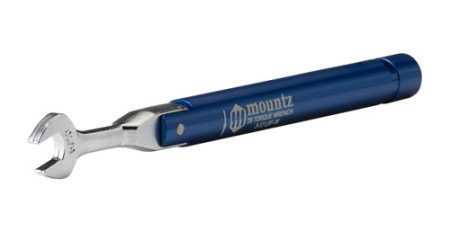
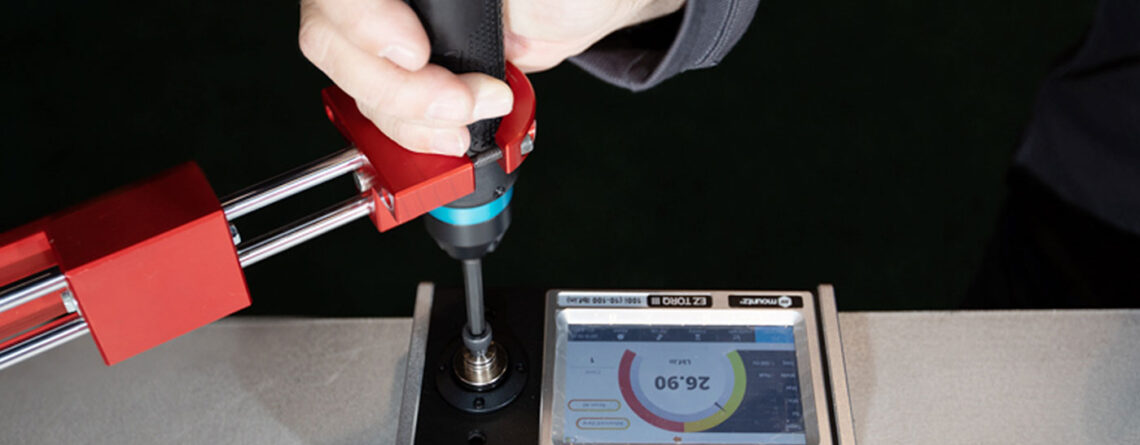
Every Mountz torque tool purchased from Phil Industries comes with an ISO 6789-2:2017 compliant calibration certificate — traceable to national standards, issued same-day, covering the full torque range from the lowest marked value. The certificate is ready for your customer audit documentation package on the same invoice.
Browse Mountz torque tools with same-day ISO 6789-2 calibration, or contact us for recalibration of existing tools.