
Conductive Sewing Thread for ESD Garments, 150D/2, Grey, 1 kg Cone – ESDpro
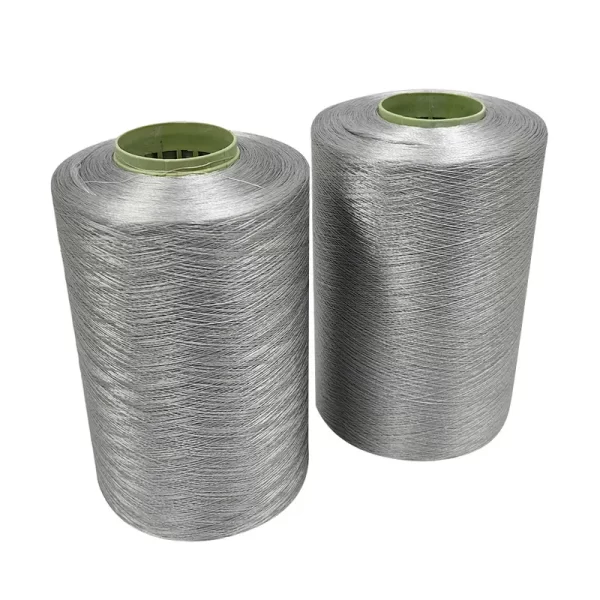
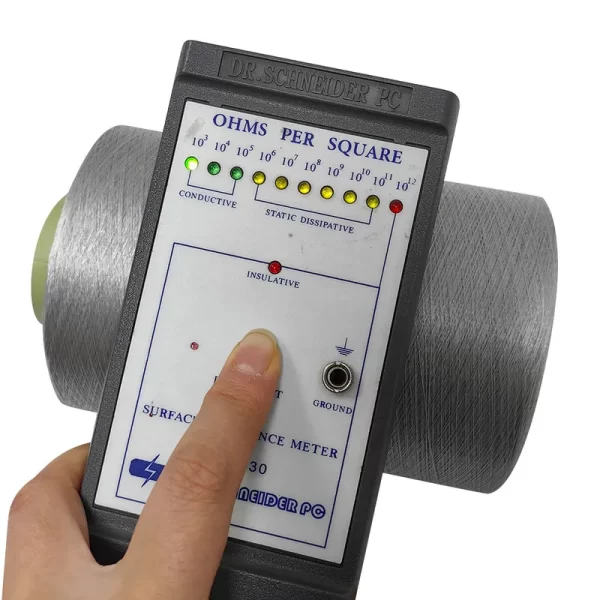
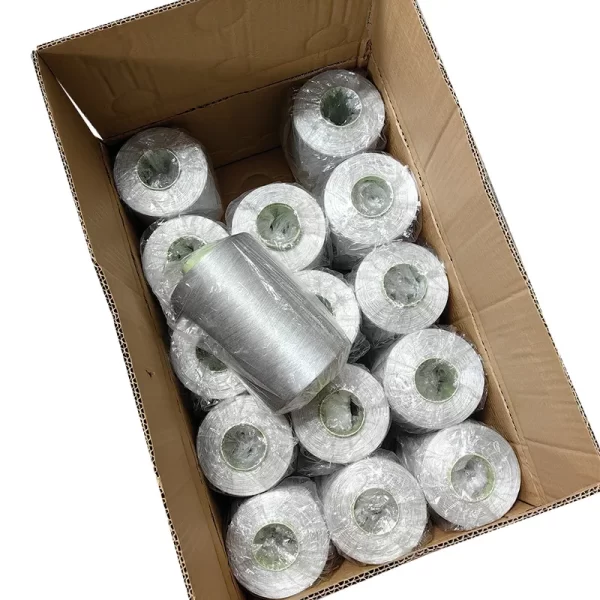
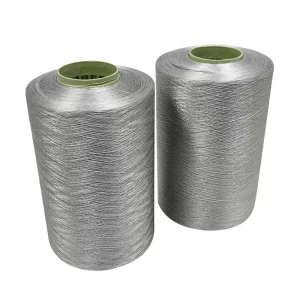
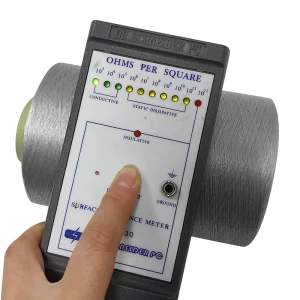
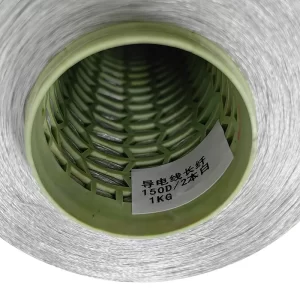
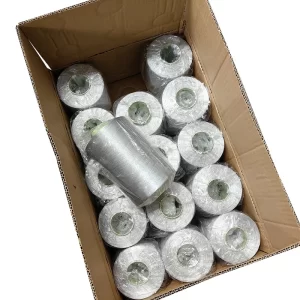
Grey conductive sewing thread, 150D/2, stainless-steel and polyester fibre blend, surface resistivity 10³–10⁵ Ω, on 1 kg cones. For sewing ESD coveralls, jackets and accessories so the seams stay conductive. Supplied from Ubi, Singapore.
- Description
- Additional information
- Reviews (0)
Description
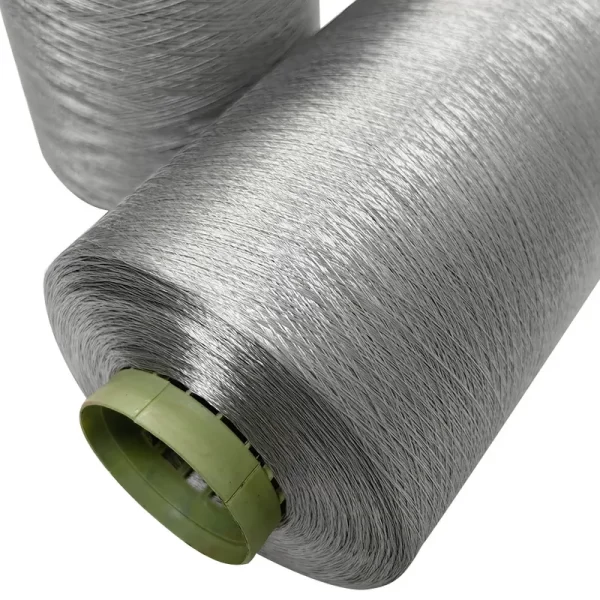
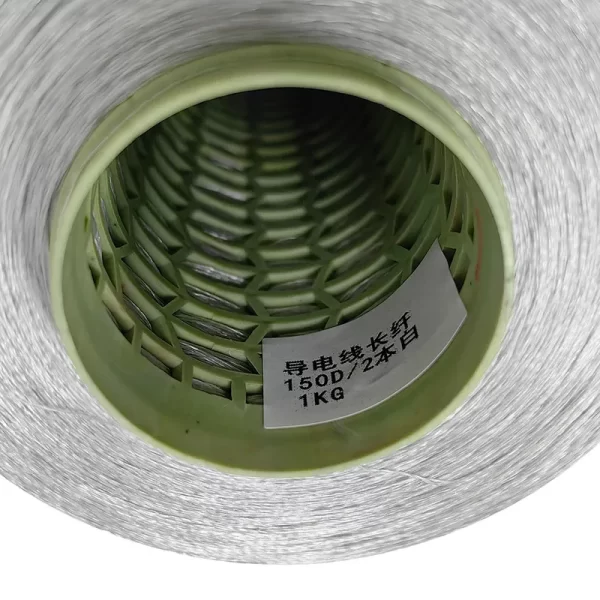
This grey conductive sewing thread is what turns ESD cloth into an ESD garment. It is a 150D/2 blend of stainless-steel and polyester fibre, measuring 10³ to 10⁵ Ω, and it is wound on 1 kg cones for industrial sewing machines. Garment makers in Singapore use it for every seam on ESD coveralls, jackets and accessories, because an ordinary polyester thread would leave an insulating line through the panel. Phil Industries supplies it from Ubi.
Why the thread matters as much as the cloth
An ESD garment is a network of dissipative panels. If the seams between them use plain thread, each panel becomes an island, and a point-to-point garment test under ANSI/ESD STM2.1 will fail across the seam. Conductive thread solves that: the stainless-steel fibre carries charge across every stitch line, so the whole garment reads as one dissipative surface.
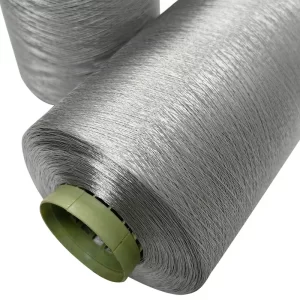
At 150D/2 the thread runs on standard lockstitch and overlock machines, and the polyester content keeps it strong and smooth. In addition, grey blends into white, blue and grey ESD cloths without a visible line.
Technical specifications
| Parameter | Value |
|---|---|
| Composition | Stainless-steel fibre and polyester fibre blend |
| Yarn count | 150D/2 |
| Surface resistivity | 10³ – 10⁵ Ω |
| Colour | Grey |
| Put-up | 1 kg cone |
| Use | Sewing ESD textiles (not for knitting or crochet) |
Applications
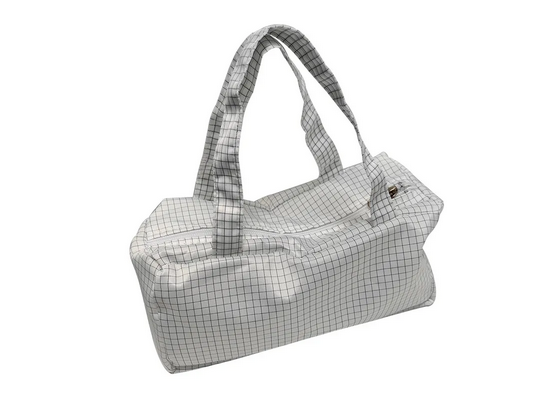
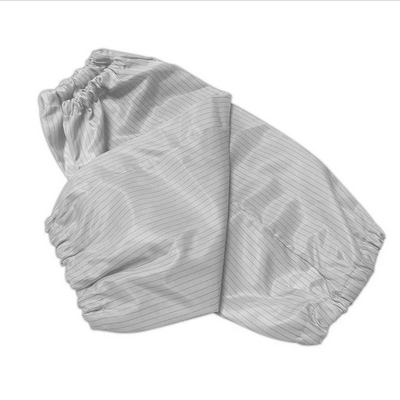
ESD garment makers, uniform suppliers and laundry repair teams in Singapore use it for coveralls, smocks, jackets, hoods, cuffs and ESD bags. It also suits conductive footwear uppers and bench accessories. For a heavier 150D/3 thread on 3,000-yard rolls, see our static-control garment thread.
Frequently asked questions
Do I really need conductive thread on every seam?
For a garment that must pass a point-to-point test, yes. Conductive thread on the main panel seams is the minimum; using it throughout is simpler and removes doubt at audit time.
Does it work on ordinary machines?
Yes. It is a 150D/2 thread that runs on standard industrial lockstitch and overlock machines. Reduce tension slightly if you see fraying.
Can it be used for knitting?
No. It is a sewing thread. For knitted ESD cloths, choose one of our carbon-filament knit fabrics instead.
How do I order conductive sewing thread in Singapore?
Send the length, width and quantity you need to our engineers on WhatsApp at +65 9853 9030, or use the enquiry form. We also make up finished garments from this cloth. In addition, you can browse the rest of the range in our ESD fabric category.
Related pages in Singapore
- Browse all ESD Fabric.
- Learn about ESDpro, our own ESD and cleanroom brand.
- Read our guides on ESD standards IEC 61340 and ANSI/ESD S20.20 and setting up an ESD grounded workstation.
Phil Industries, the Singapore company behind the ESDpro brand, supplies this product with selection advice and after-sales support. Call +65 6555 1745, WhatsApp +65 9853 9030 or email sales@phil-industries.com.sg.
Additional information
| ESD Classification | |
|---|---|
| Surface Resistance | 10³–10⁵ Ω |
Reviews
There are no reviews yet.