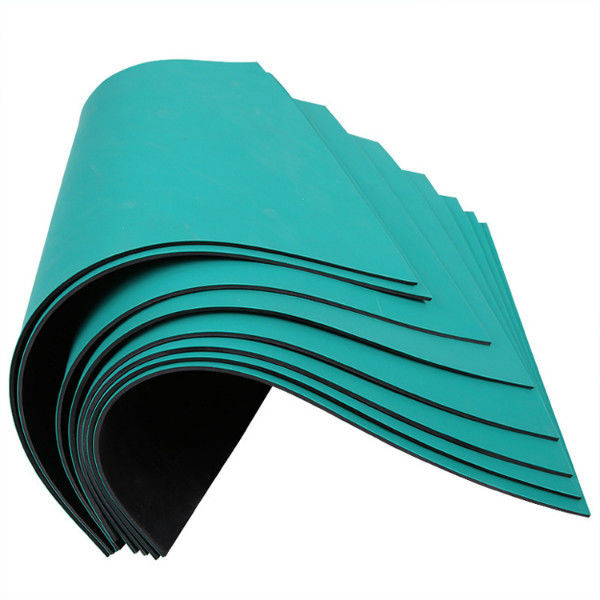
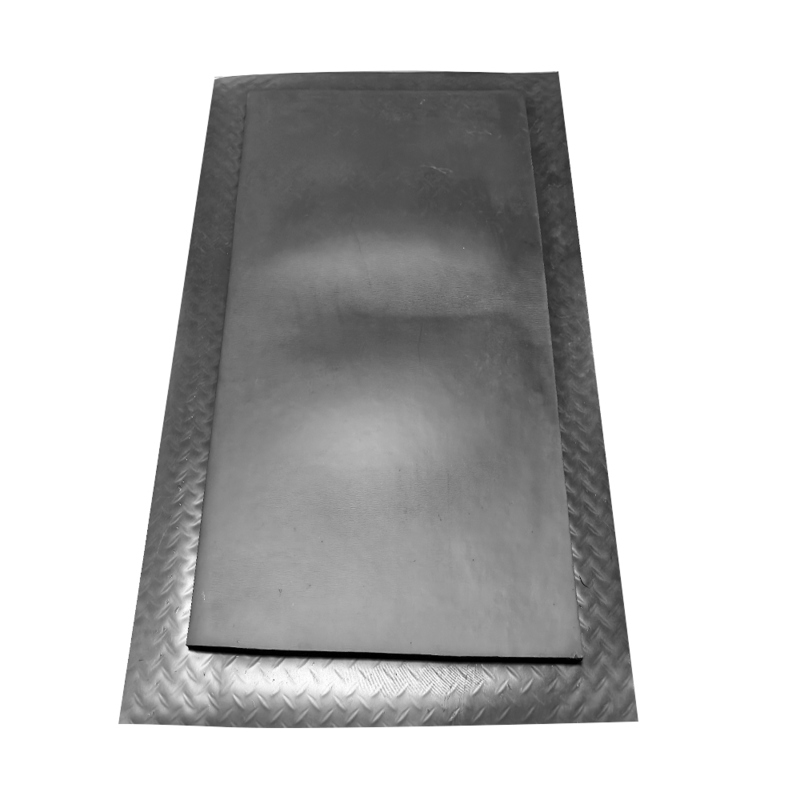
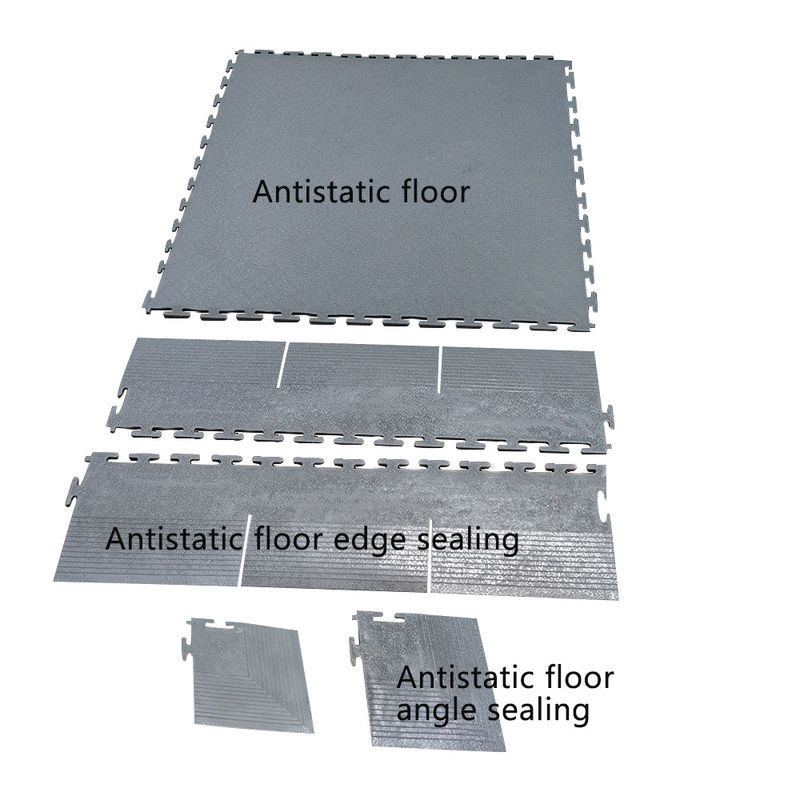
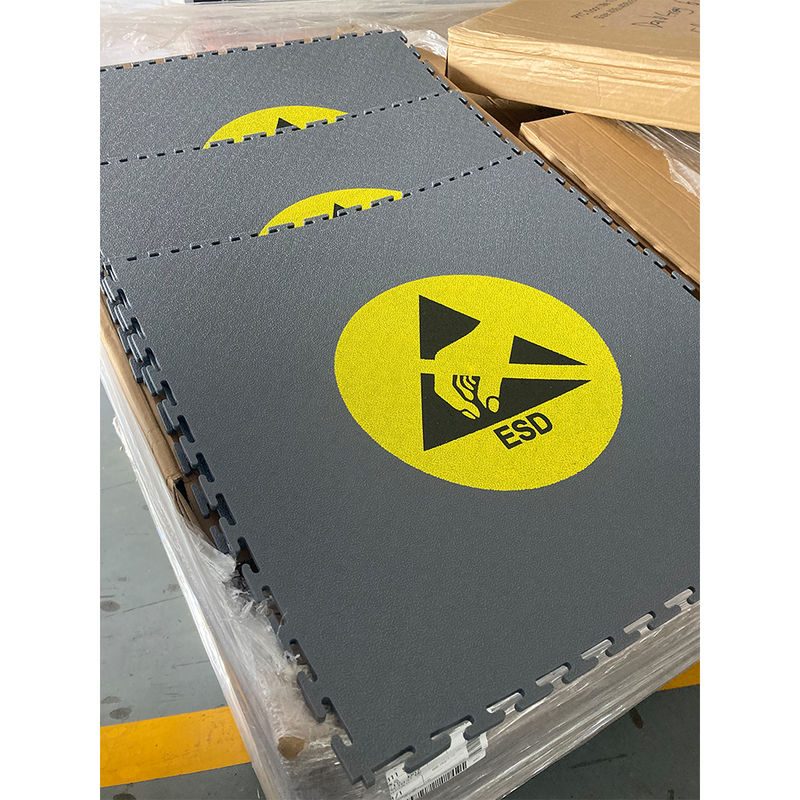
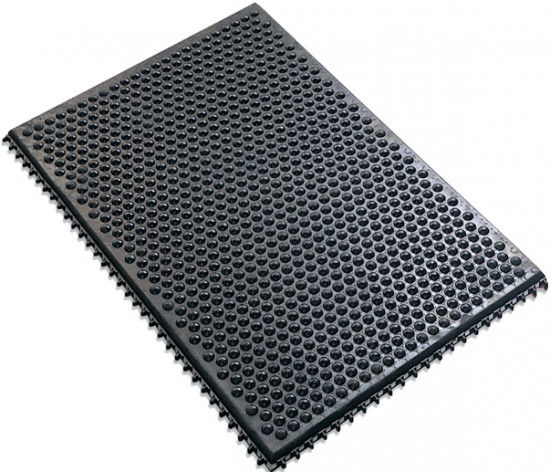
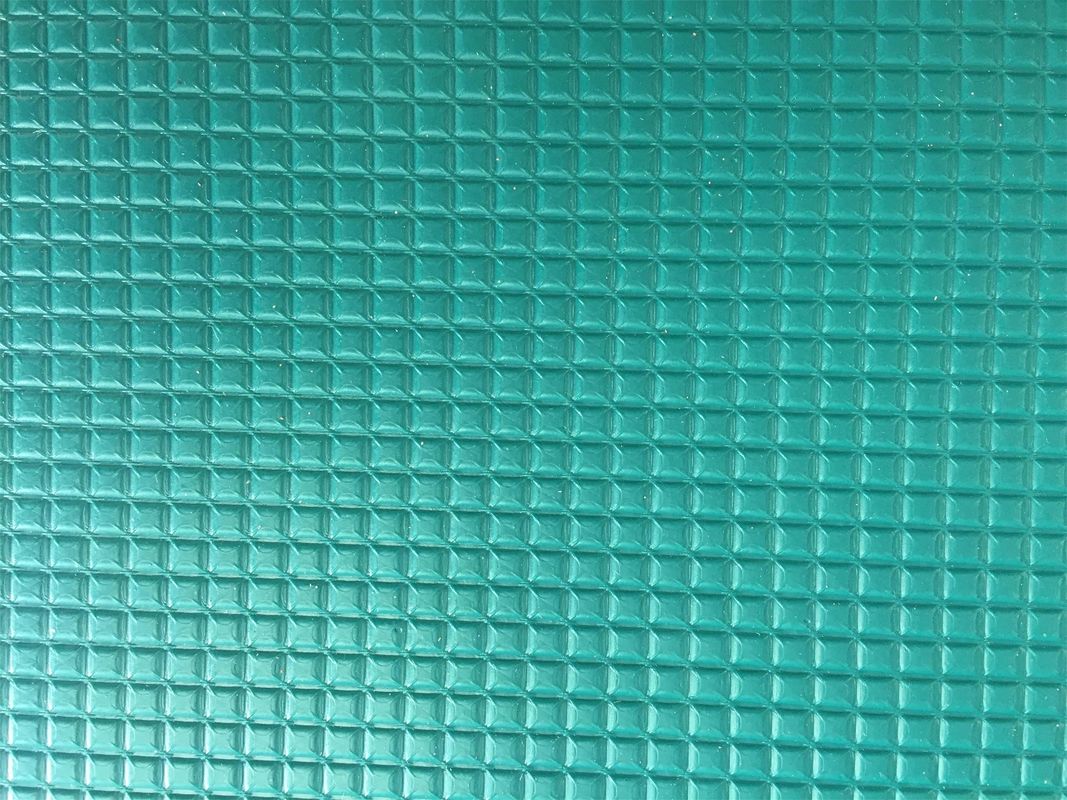
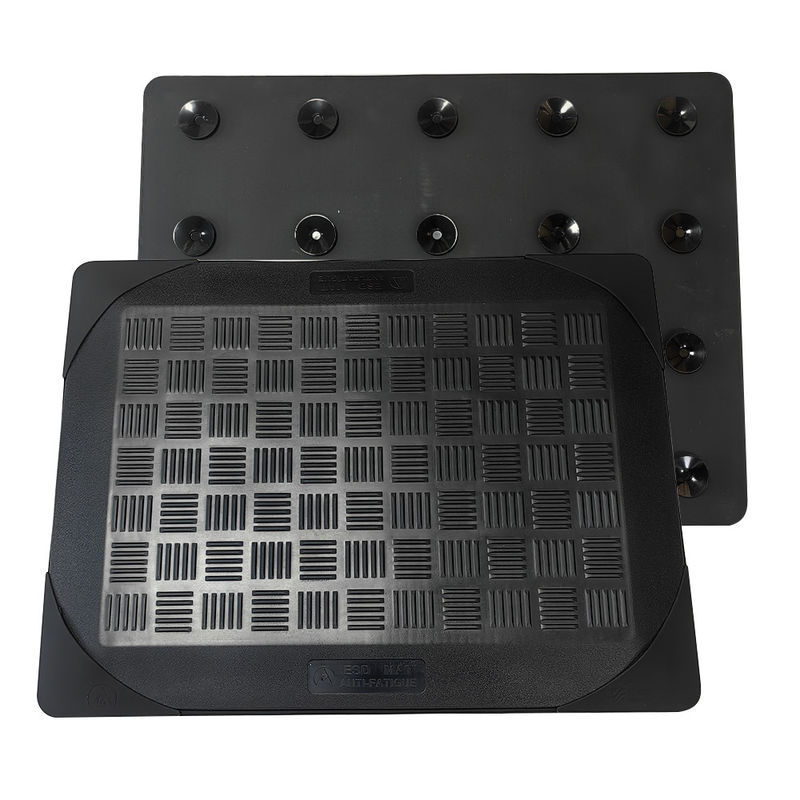
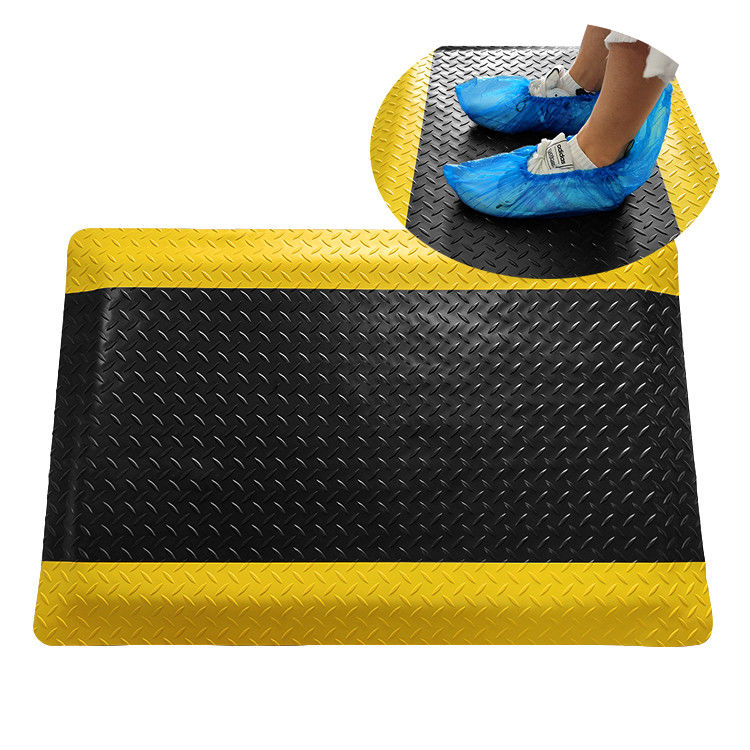
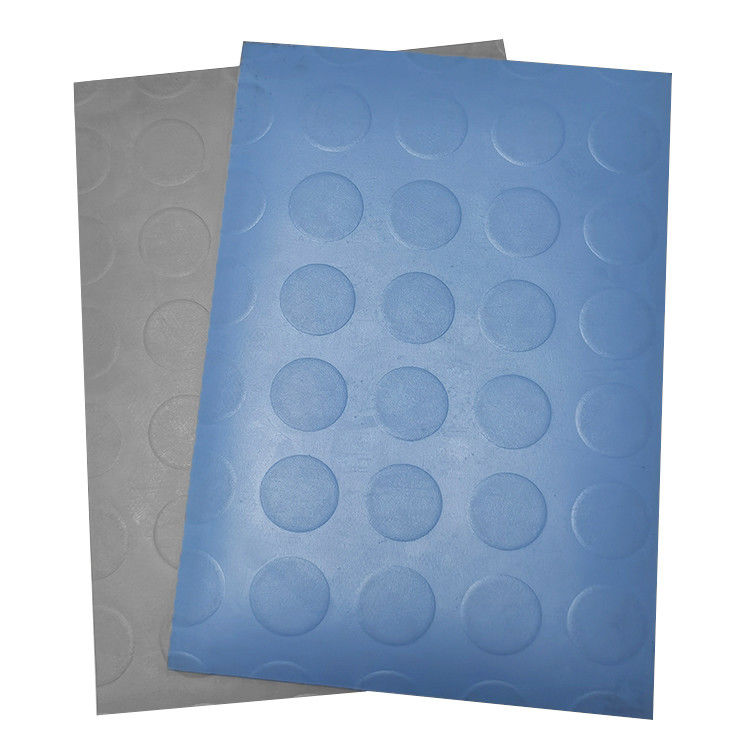
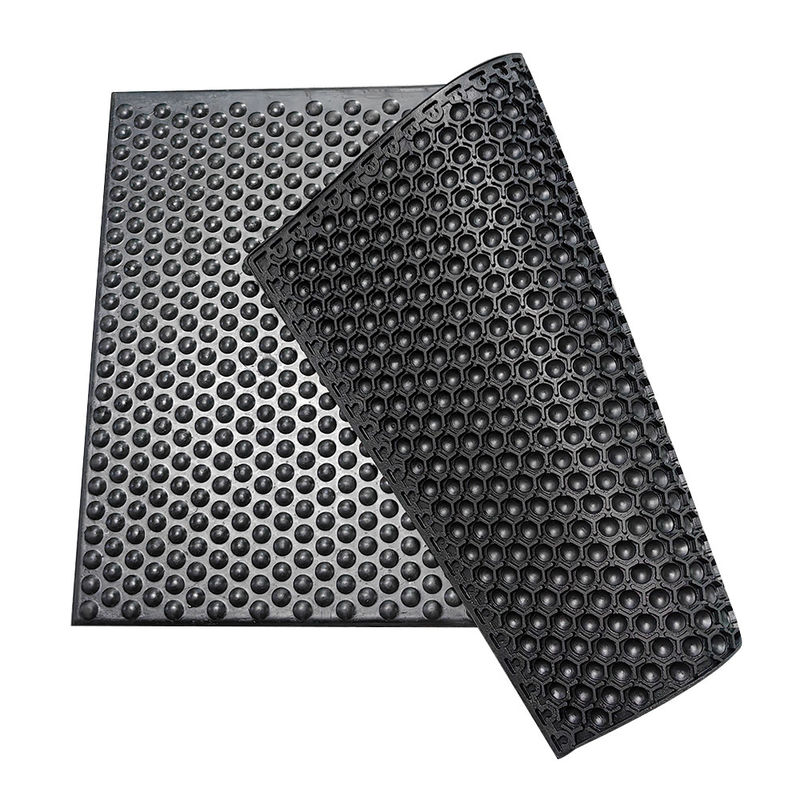
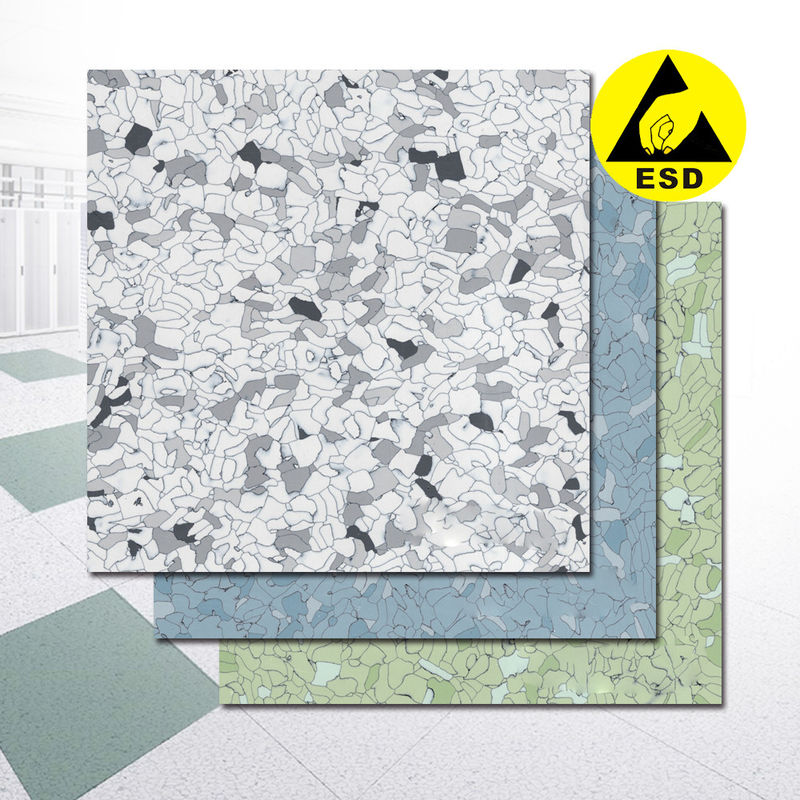
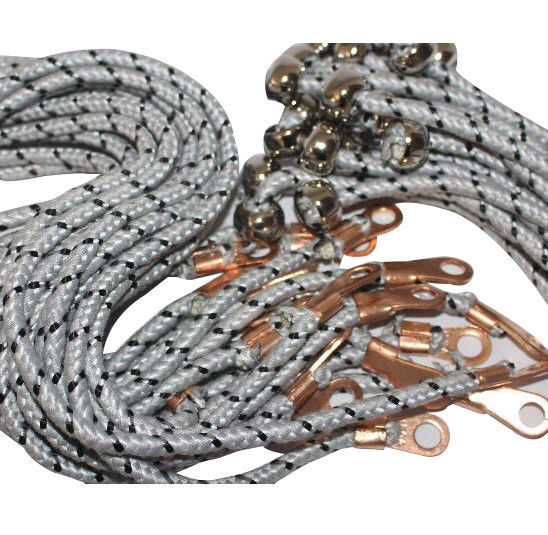
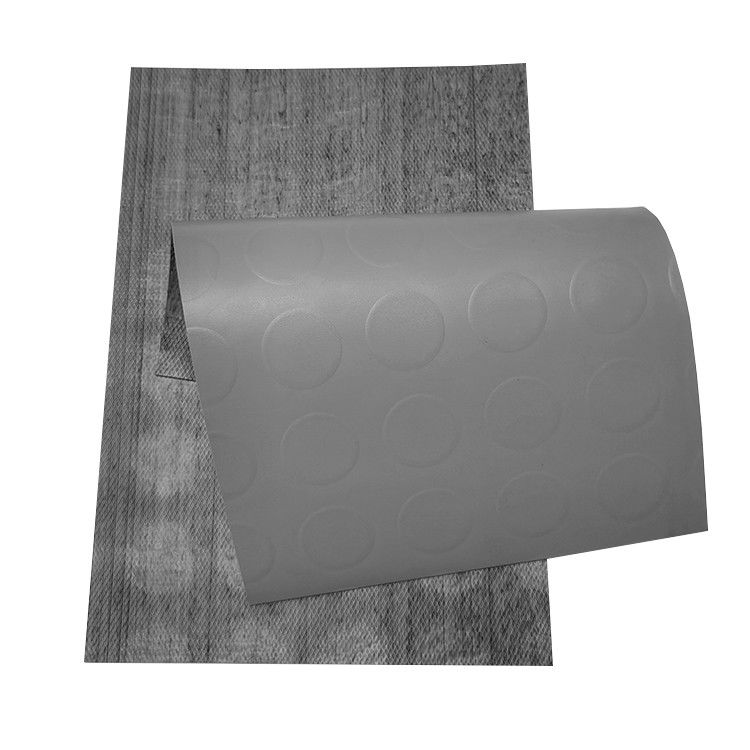
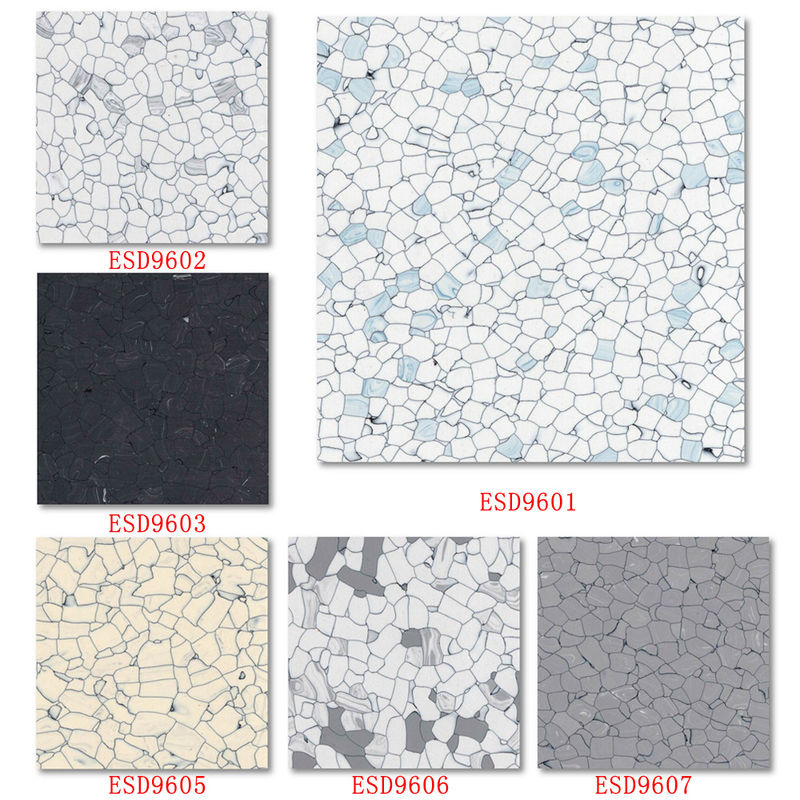
ESD rubber mats in Singapore are two-layer static-dissipative bench and floor matting — a conductive bottom and dissipative top — that provide a controlled, grounded work surface for assembling, testing and reworking ESD-sensitive electronics inside an EPA.Phil Industries supplies 37+ ESD rubber mat SKUs in Singapore — bench rolls, floor rolls and pre-cut workstation kits with grounding cords, snaps and common-point grounds. Last updated: 17 May 2026.All mats comply with IEC 61340-5-1, ANSI/ESD S4.1 (worksurface resistance) and ANSI/ESD S7.1 (floor resistance). Standard thickness 2 mm bench / 3 mm floor; surface resistance 10⁶–10¹¹ Ω.Product RangeESD Bench Mats (2-Layer Rubber) — rolls 0.6 / 1.0 m wide, lengths up to 10 mESD Floor Mats — 3 mm anti-fatigue rubber, runner and tile formatsESD Workstation Kits — mat + wrist strap + grounding cord + common-point groundESD Mat Accessories — 10 mm snaps, banana plugs, 1 MΩ grounding cordsHigh-Temperature ESD Mats — silicone, up to 300 °C for soldering & reworkCompliance & Lead TimesMat TypeStandardResistanceLead Time2-Layer Bench RubberANSI/ESD S4.110⁶–10¹¹ ΩEx-stockFloor Rubber 3 mmANSI/ESD S7.110⁶–10¹¹ ΩEx-stockSilicone High-TempIEC 61340-5-110⁶–10¹¹ Ω1–2 weeksCustom cut-to-size—Maintained3–5 daysFrequently Asked QuestionsWhat is an ESD rubber mat?An ESD rubber mat is a two-layer rubber sheet — a dissipative top layer (10⁶–10¹¹ Ω) bonded to a conductive bottom layer — connected to ground through a 1 MΩ resistor cord. The mat removes static charge from anything placed on it, including PCBs, components and tools.What is the difference between bench and floor ESD mats?Bench mats are 2 mm thick rubber for tabletop workstations and follow ANSI/ESD S4.1. Floor mats are 3 mm anti-fatigue rubber rated for foot traffic under ANSI/ESD S7.1. Both must measure 10⁶–10¹¹ Ω surface resistance to qualify as ESD-safe.How do I ground an ESD rubber mat?Ground an ESD rubber mat by snapping a 10 mm stud cord into the mat’s edge snap and clipping the cord’s alligator end to a known ground point — typically a common-point ground bonded to the building’s equipment ground. The cord contains a 1 MΩ current-limiting resistor for operator safety.How long do ESD rubber mats last?ESD rubber mats typically last 3–5 years under daily use in Singapore conditions. Resistance should be verified quarterly with a surface resistance meter; replace the mat when readings drift above 10¹¹ Ω or when the top layer wears through.Can ESD rubber mats withstand soldering?Yes — Phil Industries’ silicone high-temperature ESD mats withstand direct contact with soldering irons up to 300 °C without melting or losing ESD properties. Standard rubber mats are rated to 70 °C only.Email kenneth@phil-industries.com.sg, WhatsApp +65 9853 9030 or call +65 6555 1745 for cut-to-size pricing.Related categories
An ESD rubber mat is the bench-top anchor of an EPA. Complete the workstation with ESD wrist straps, ESD safe chairs and ESD safe tools. For a complete catalogue across all 15 sub-categories, return to our ALL ESD Products hub.
Reviewed by the Phil Industries Technical Team — Singapore industrial & ESD specialists since 2009. See also: ESD Products Singapore and ESD Wrist Strap.
Product Categories