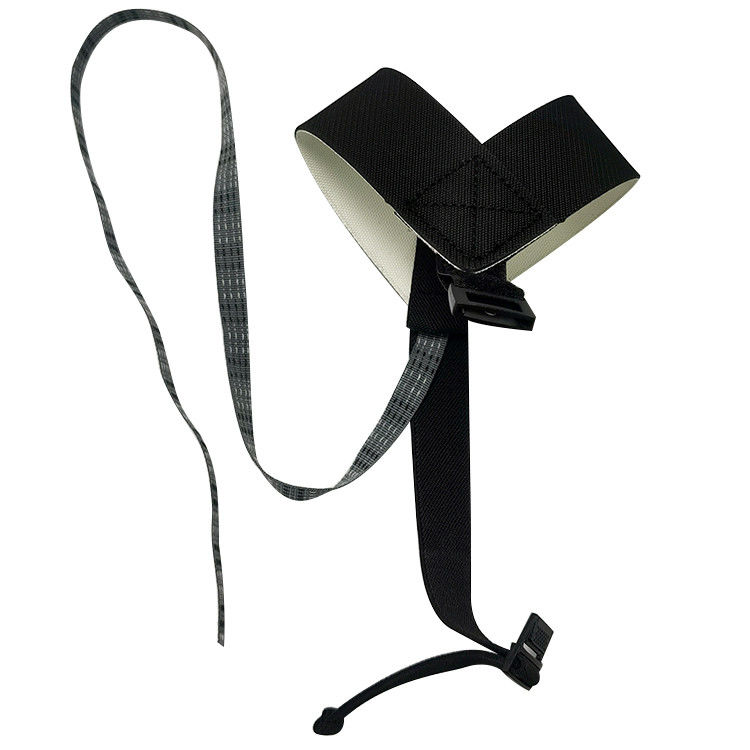
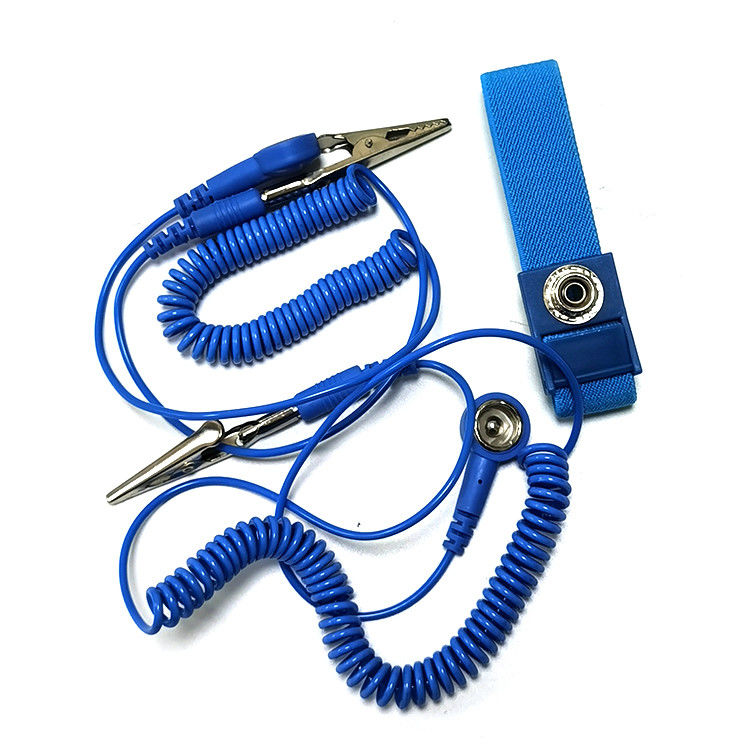
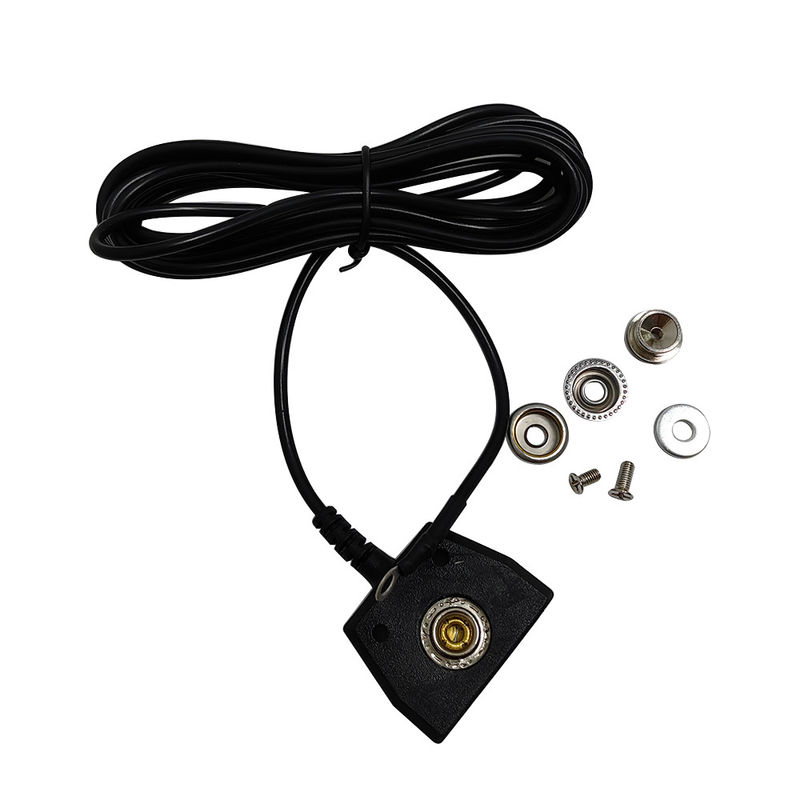
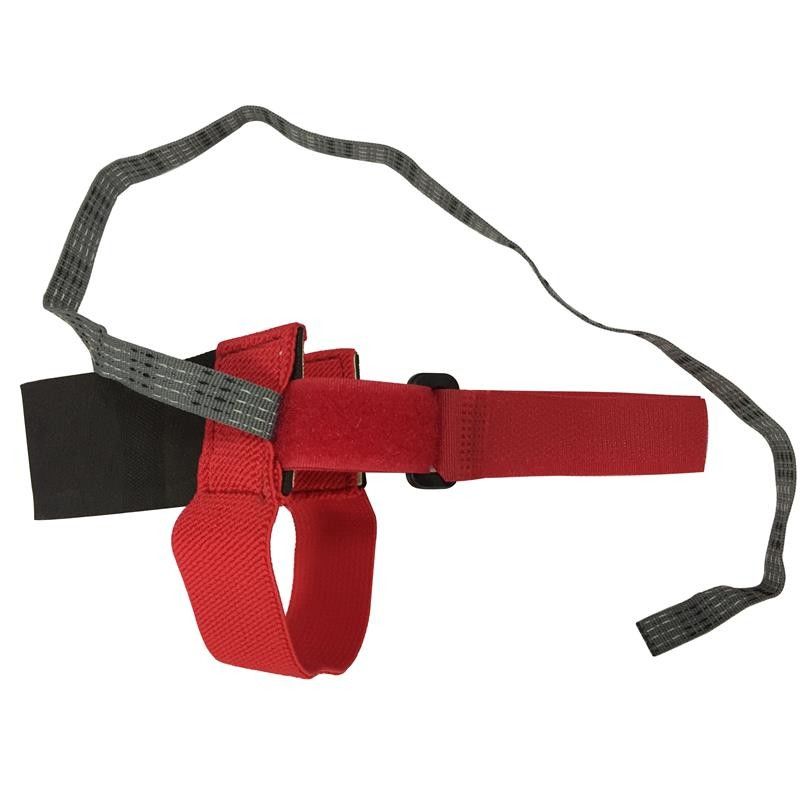
ESD wrist straps are personal grounding devices that bond an operator’s body to a known ground point via a 1 MΩ current-limiting resistor, safely draining electrostatic charge before it can damage sensitive electronics or semiconductors. Phil Industries supplies 55+ ESD wrist strap SKUs in Singapore — adjustable fabric and metal bands, single-conductor and dual-conductor coiled cords, continuous-monitoring stations and full grounding kits — with ex-stock availability for next-day delivery. Last updated: 17 May 2026.
All wrist straps are sourced from manufacturers whose products meet ANSI/ESD S1.1, IEC 61340-4-6 and ANSI/ESD S20.20 where applicable. Certificates of Conformance and resistance test reports are available on request for IPC and aerospace audits.
ESD Wrist Strap Range
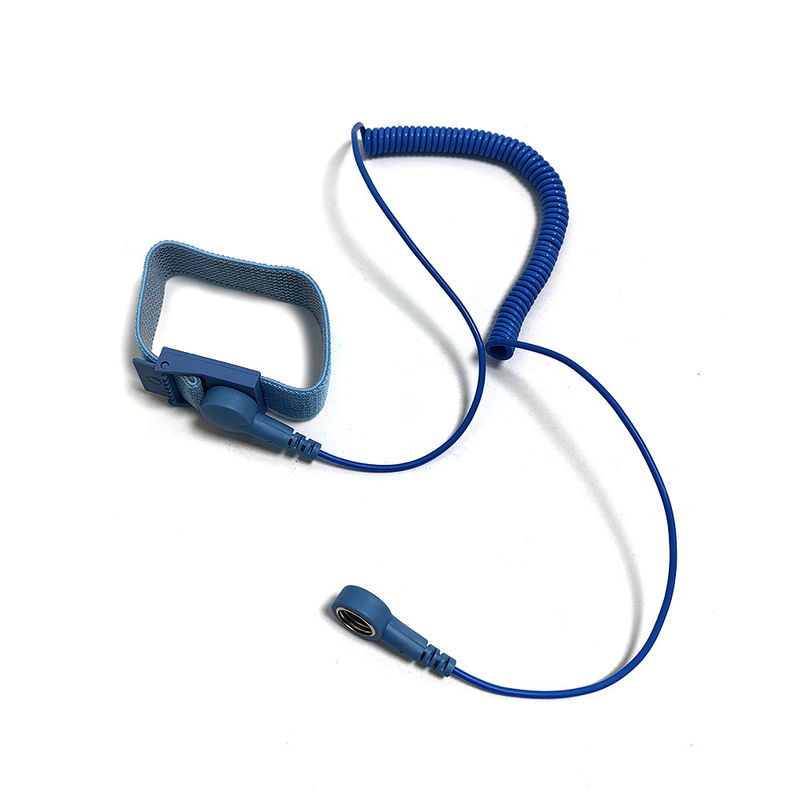
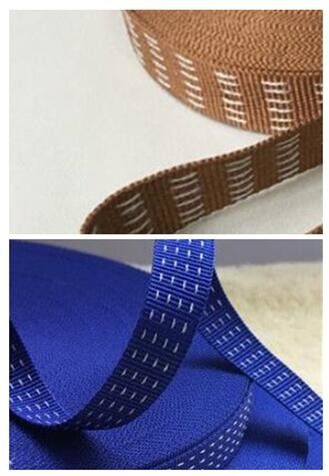
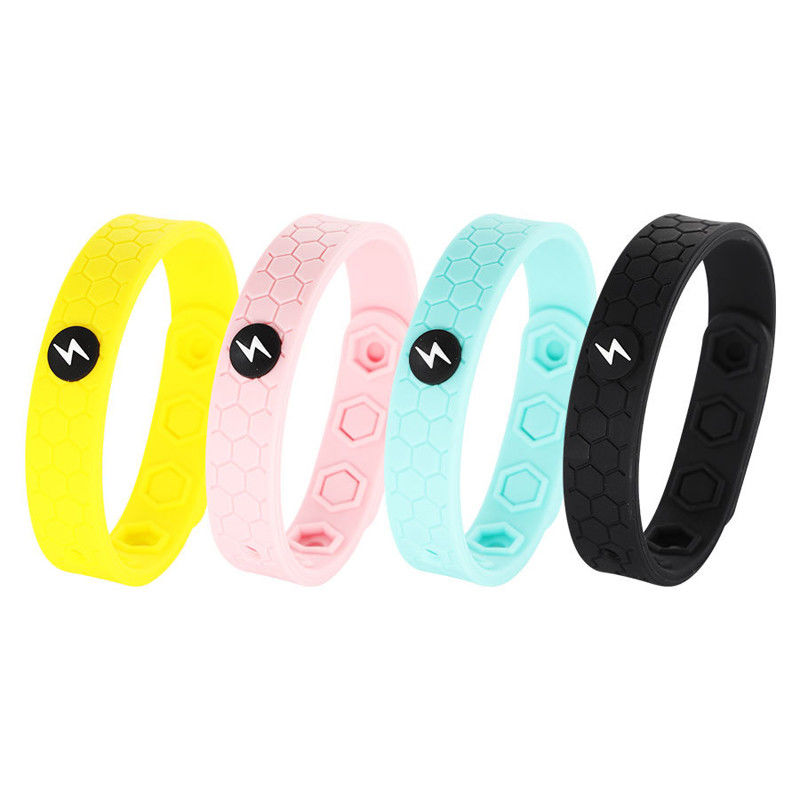
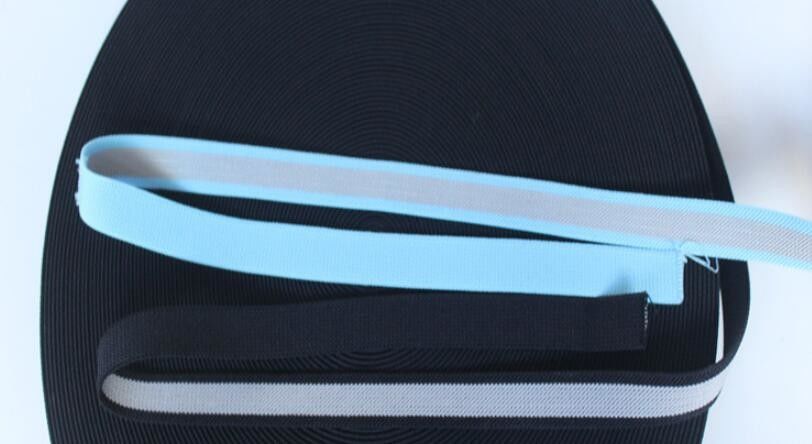
Adjustable fabric wrist bands — elasticated conductive yarn band with snap stud, sized for most adult wrists.
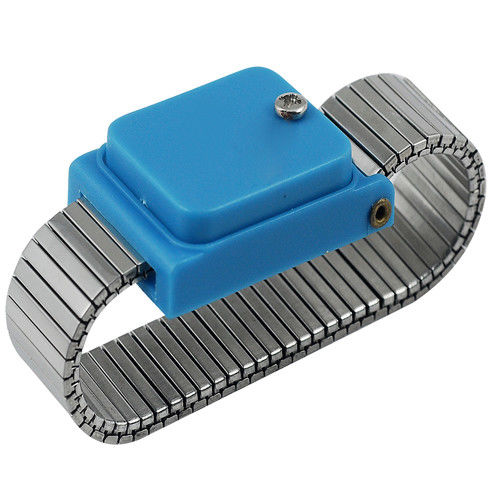
Metal expansion wrist bands — stainless-steel link bands for heavy-duty rework benches.
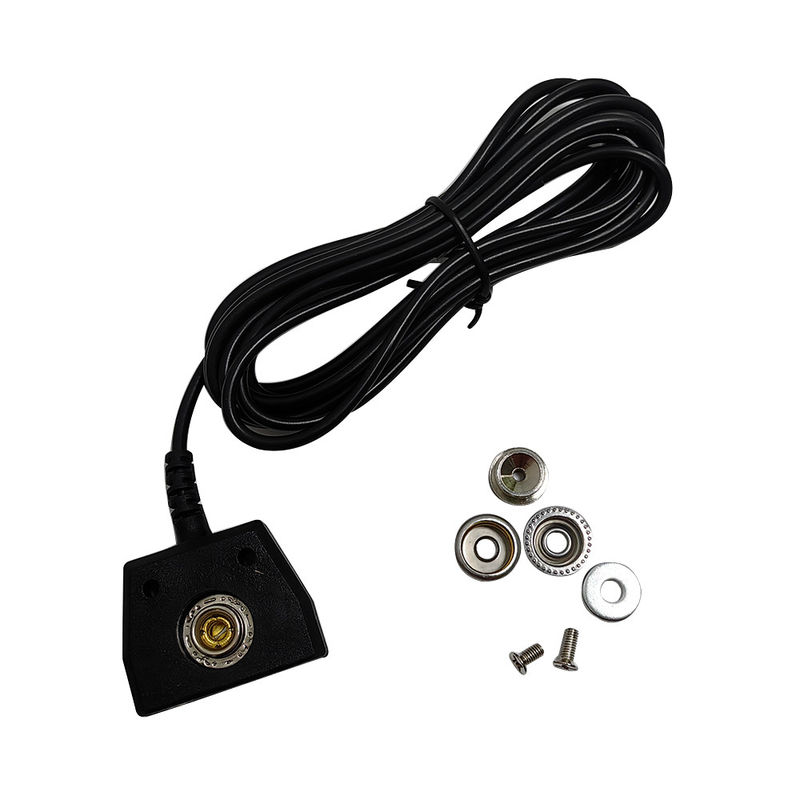
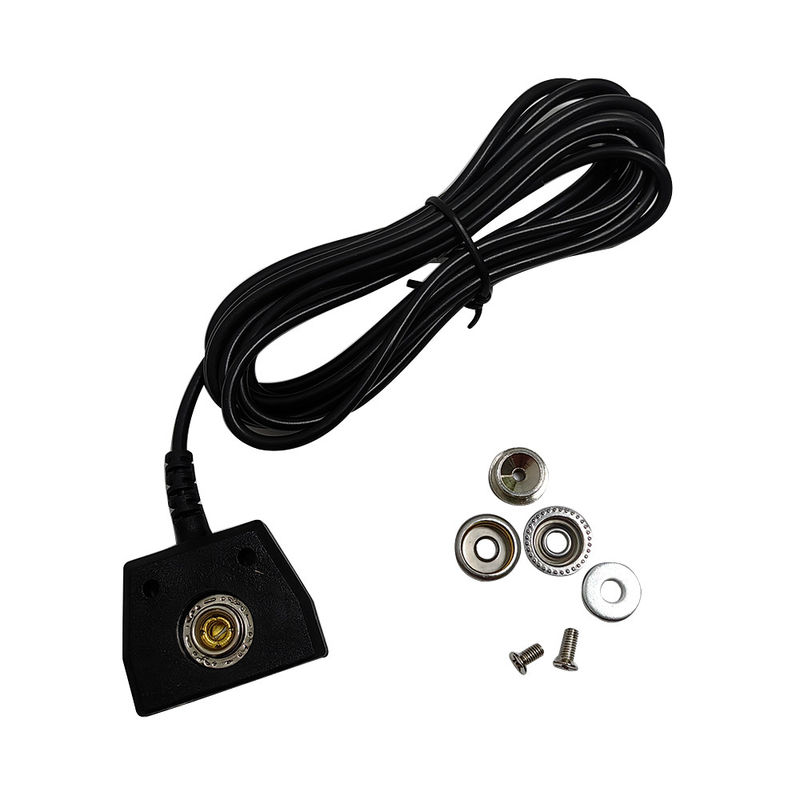
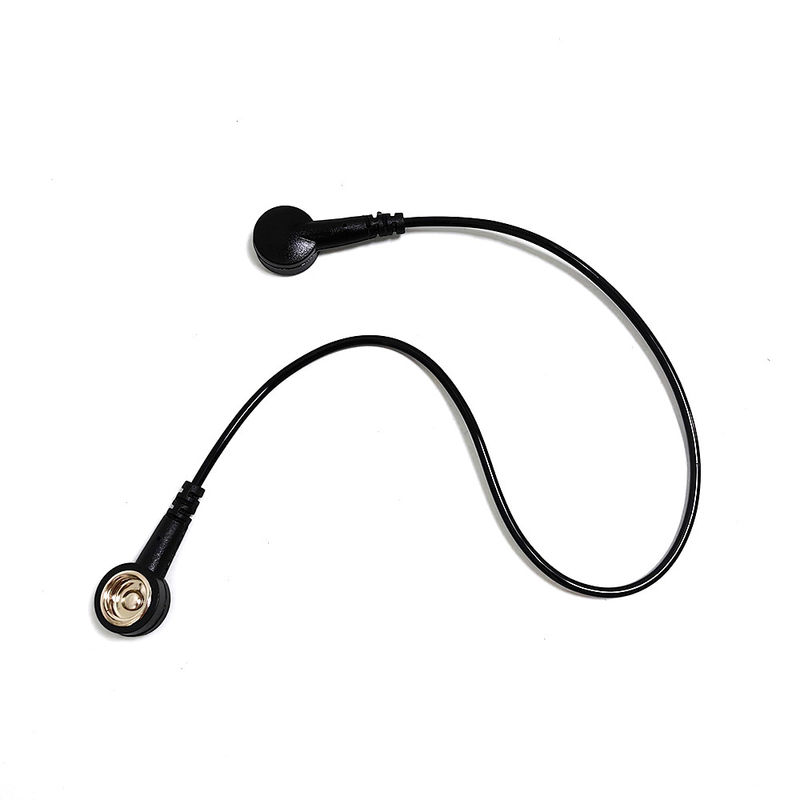
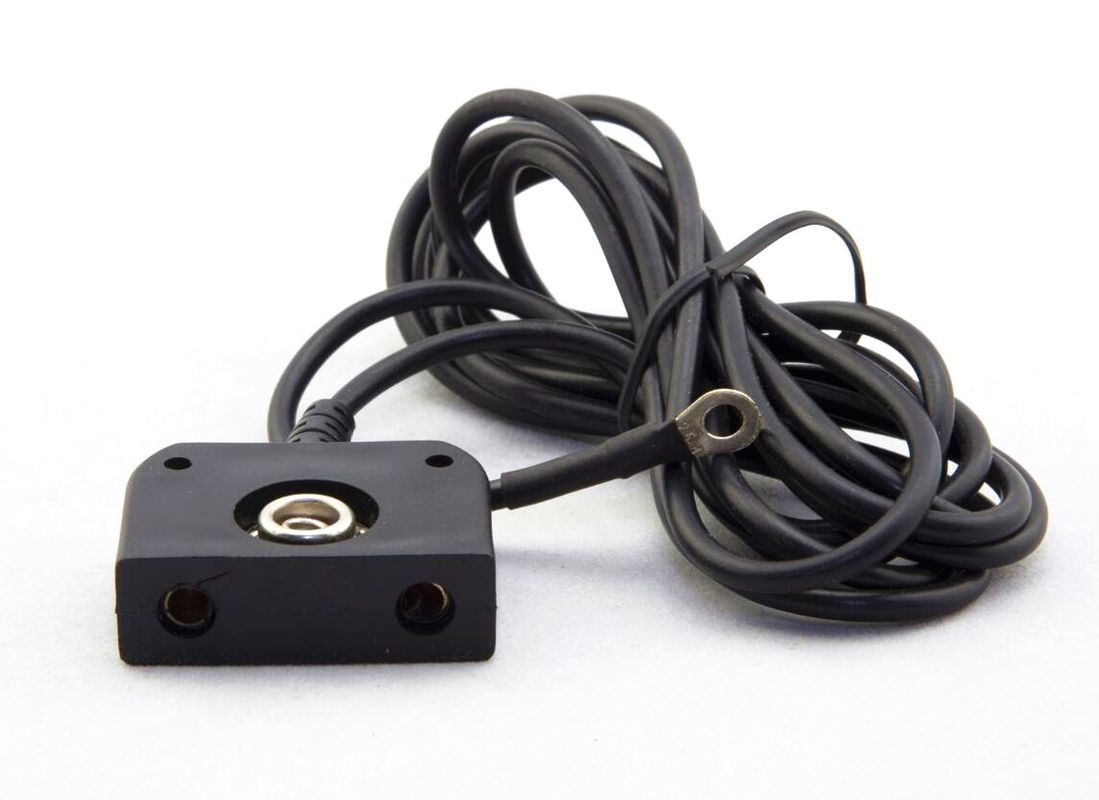
Coiled grounding cords (single-conductor) — 5 ft and 10 ft coiled cords with built-in 1 MΩ resistor and banana-plug or alligator-clip termination.
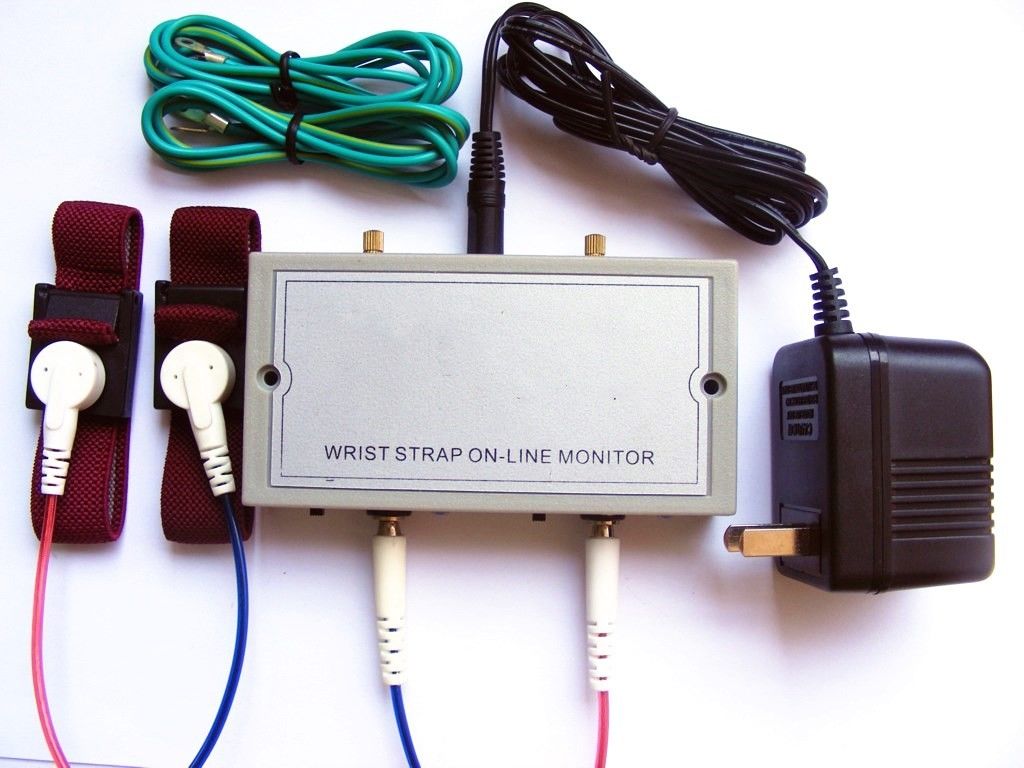
Dual-conductor cords — redundant ground path required for continuous-monitoring systems.
Continuous wrist-strap monitors — single- and dual-operator monitors that alarm if the strap fails or the operator loses contact.
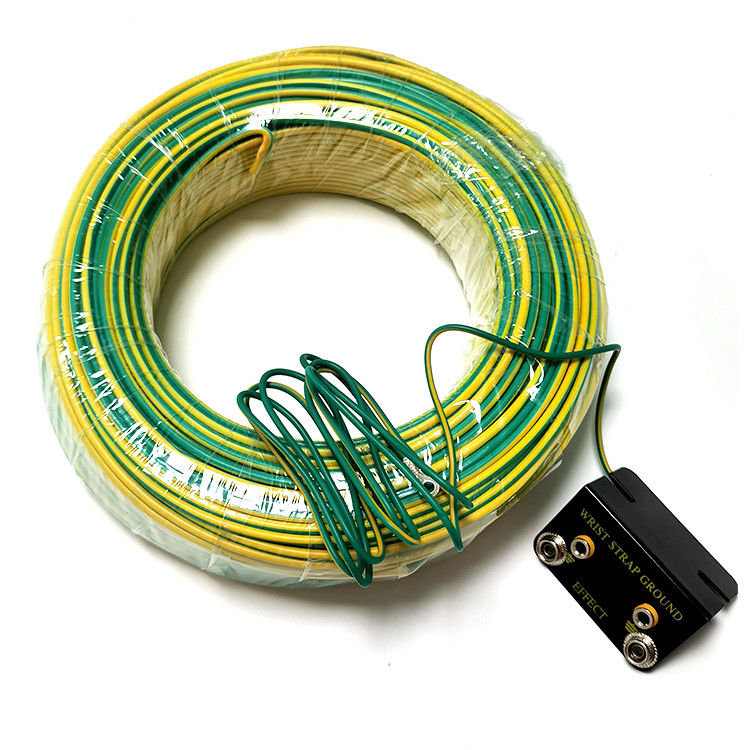
Wrist-strap test stations — wall- or bench-mount testers that verify strap resistance at the start of each shift.
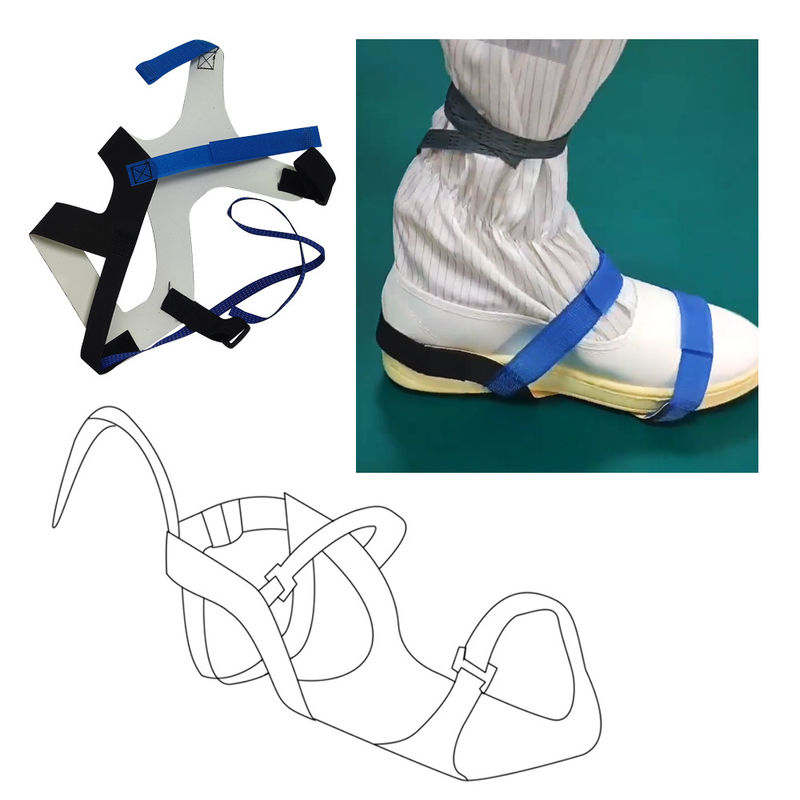
Heel grounders, toe straps and ESD footwear straps — alternative or complementary grounding for standing work.
Specifications & Compliance
ComponentSpecificationStandardLead Time
In-line resistor1 MΩ ±10%ANSI/ESD S1.1Ex-stock
Coil-cord length5 ft / 10 ft (1.5 m / 3 m)—Ex-stock
Snap stud size10 mm or 4 mm—Ex-stock
Continuous monitorSingle or dual operatorANSI/ESD STM97.13–7 days
Test stationWrist + footwear, daily testANSI/ESD STM97.23–7 days
Frequently Asked Questions — ESD Wrist Straps
Why does an ESD wrist strap need a 1 MΩ resistor?
The 1 megohm resistor is a current-limiting safety feature. It allows static charge to bleed slowly to ground but prevents a dangerous current path through the operator’s body if the strap accidentally contacts a live circuit. ANSI/ESD S1.1 requires this resistor in every compliant wrist strap.
How often should an ESD wrist strap be tested?
Industry best practice (ANSI/ESD S20.20) is to verify wrist-strap resistance at the start of every shift using a dedicated test station, or continuously using a wrist-strap monitor. Logs should be kept for audit. Strap and cord assemblies should be replaced every 6–12 months depending on use intensity.
What’s the difference between single-conductor and dual-conductor coil cords?
A single-conductor cord has one wire from the wrist band to ground — adequate for general electronics assembly. A dual-conductor cord has two redundant wires and is required for continuous-monitoring systems, since the monitor checks each conductor independently to detect a broken ground path.
Are fabric or metal wrist bands better?
Fabric bands are more comfortable for long-shift assembly work and are the most common choice. Metal expansion bands have lower resistance and faster bleed-off, preferred for rework, repair and field-service technicians who switch tasks often.
How do I order ESD wrist straps in Singapore?
Email kenneth@phil-industries.com.sg, WhatsApp +65 9853 9030, or call +65 6555 1745 with the cord length, stud size, single- or dual-conductor, quantity and delivery date. Quotations are returned within one working day.
Related categories
Wrist straps are one part of a verified grounding chain. Combine them with ESD safe clothing, ESD safety shoes and ESD rubber mats. For a complete catalogue across all 15 sub-categories, return to our ALL ESD Products hub.
Reviewed by the Phil Industries Technical Team — Singapore industrial & ESD specialists since 2009. Browse our full ESD product range or contact us for a site assessment.