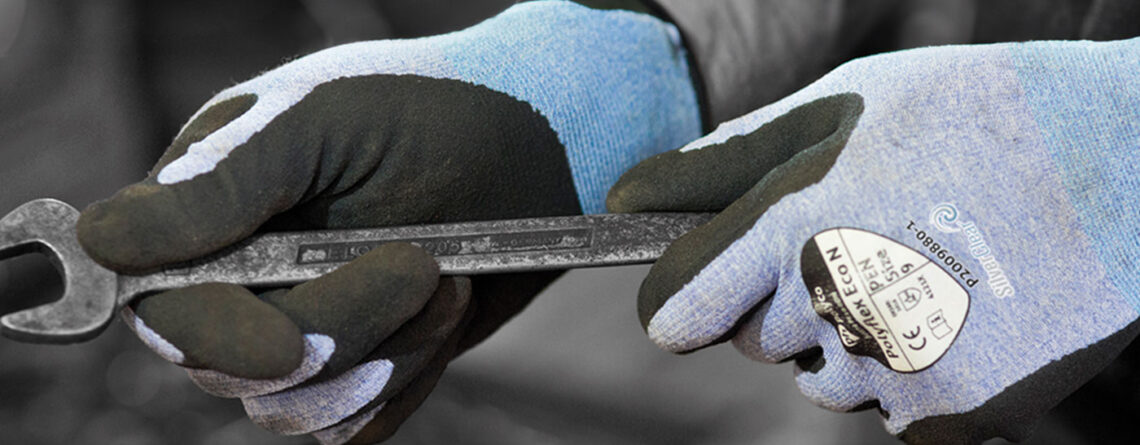
Correct storage and treatment of safety gloves in the climate of Singapore
In the hot and humid climate of Singapore, understanding best storage and handling techniques for safety gloves will help to maintain performance and quality of the gloves.
Stored and used properly, safety gloves deteriorate fast under Singapore’s tropical conditions of hot and high humidity. Industrial safety gloves are absolutely vital to shield workers’ hands from mechanical, chemical, or biological danger whether they are in laboratories, on construction sites, manufacturing plants, cleanrooms. Improper storage, even though the most sophisticated gloves can fail, result in lower protection, more injury risk, and violation of safety requirements.
Why Singapore is important glove storage
Singapore have daily average temperatures over 30°C and usual humidity ranging from 70% to 90%. These circumstances could:
- Analyse glove coatings (nitrile, PU)
- Make latex and rubber gloves brittle or adhesive.
- promote bacterial contamination and mold development
- Reduce the lifetime of disposable gloves.
Kinds of Gloves Impacting
Variously gloves react to warmth and moisture:
- Latex Gloves: Degrade fast in bad environments; react to light and heat.
- Nitrile Gloves: Although more stable than latex, they are still sensitive to extremes of moisture and heat.
- Cut Resistant Gloves (HPPE or Kevlar): May succumb to coat breakdown in damp settings
- With age, chemical gloves (PVC, butyl) may become stiff or have surface tackiness.
Ideal ways to store Gloves
Change Temperature and Moisture:
- Keep gloves in settings ranging from 15 to 25 degrees lockdown.
- Keep moisture level below 60% if possible.
- Dehumidifiers or air conditioning ought to be used in storage areas.
- Stay away from light and ultraviolet rays.
- Store gloves in their original containers or dark bags.
- Keep gloves out of sight of windows or under harsh lights
Stay Clear of Chemicals:
- Keep gloves away from ozone generating devices, solvents, and cleaning chemicals.
- Cross contamination of material over time from chemical vapours degrades gloves.
- Discourage physical damage:
- Avoid layering glove boxes with heavy things.
- Help stop folding or compress gloves into small drawers or boxes.
FIFO: First in, first out System
- Implementing FIFO keeps product from spoiling by using first older stock. Gloves have several shelf lives: 3 years.
- usually three to five years, nitrile gloves are used once
- Latex gloves: more sensitive to moisture 1–2 years
- Reusable gloves: Up to five years under proper storage conditions, though real lifespan varies depending on use.
Job handling gloves
Safety and lifespan are influenced by how employees use gloves:
- Take gloves from the back of the box by the cuff to prevent ripping.
- Keep used gloves out of pockets or tool cases.
- Keep gloves dry and clean between uses.
- Before using, always inspect gloves for signs of deterioration, punctures, or cracks.
- Clean room and lab glove storage is available.
- Keep gloves in pristine, climate regulated spaces like gowning quarters.
- Limit contact of gloves before dressing; use dispensers if feasible.
- Rotate gloves often and check expiry dates.
- Lower risk of contamination by using powder free gloves.
Site Specific Suggestions
- Construction Sites: In covered, ventilated spaces, install wall mounted glove dispensers.
- Warehouses: Keep gloves away disabled forklifts and equipment generating exhaust.
- Medical Facilities: Store gloves with batch records and make sure traceability for infection management slope.
Training and consciousness
Just as critical as appropriate storage is training personnel on glove management:
- Enlighten staff on how to spot ruined handruples
- Develop standard operating protocols for storing gloves.
- Clearly mark storage bins by glove type and size
- Regularly check glove storage conditions.
Getting rid of expired or damaged gloves
Don’t utilize gloves that:
- Seem hardened, stained, or tacky
- Exhibit brittleness, cracks, spurts,
- Emit strange scents
- Per the PPE disposal policy of your site, dispose of ripped gloves. Dispose of medical or hazardous waste according to NEA and WSH standards.
Inference
Although it is necessary for preserving safety, compliance, and glove performance, good glove storage and use is frequently neglected. Even excellent gloves can become useless in Singapore’s high humidity if storage is bad. Following these methods—from climate control to FIFO inventory—will help you increase your PPE investments’ worth, lower workplace danger, and lengthen glove life in all sectors.