A Comprehensive Guide to EN Standards in Singapore: Essential Information for Purchasing Safety Gloves
Learn EN safety standards for gloves prior to buying in Singapore. Discover how Polyco gloves meet the requirements of EN388, EN374, and EN1186 to provide full workplace protection.
Introduction: Why EN Standards Are Important in Singapore’s Industrial Scene
In Singapore’s high-speed industrial sectors—from electronics to biomedical and aerospace—workplace safety is not an option. Whether you’re overseeing an assembly line or a cleanroom, choosing the appropriate safety gloves isn’t merely a matter of comfort or convenience—it’s a matter of compliance and protection.
That’s where EN standards enter the picture. Internationally recognized, these European Norm (EN) certifications are increasingly popular in Singapore as a benchmark for safety and quality. So how do you sort through these glove standards when you’re purchasing PPE for your crew? Let’s break it down.
What Are EN Standards?
EN standards are a collection of regulations set by the European Committee for Standardization for the assurance of the performance, quality, and safety of various kinds of personal protective equipment (PPE), such as gloves.
For Singaporean companies importing PPE, especially from reputable suppliers like Polyco Healthline, these standards are reassuring that your gloves meet strict, internationally accepted safety standards.
Key EN Standards for Protective Gloves (and Their Implications)
EN388: Mechanical Protection
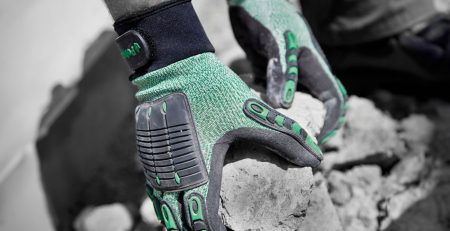
Application: Manufacturing, logistics, metal handling, automotive, aerospace.
This test measures a glove’s resistance to:
- Abrasion
- Cut (Coupe Test or ISO 13997)
- Tear
- Puncture
Example from Polyco:
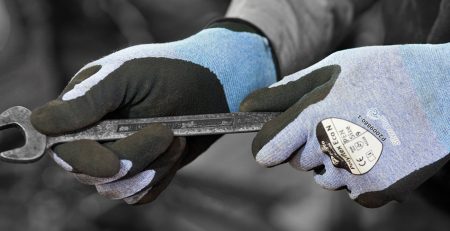
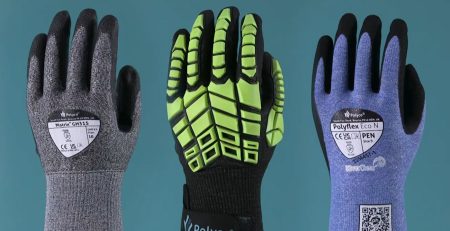
Polyflex Cut D is an EN388-approved precision industry glove ideal for high-cut-risk workplaces.
Pro tip: When using sharp instruments, glass, or sheet metal, look for gloves with high cut level (Level D–F).
EN374: Protection Against Chemicals
Application scenario: Pharmaceuticals, laboratory management, medical equipment, chemical manufacturing plants. EN374 challenges the glove to resist penetration and permeation of chemicals, safeguarding employees from dangerous exposure.
Categories are:
- EN374-1: Chemical resistance
- EN374-2: Penetration resistance
- EN374-3: Permeation resistance
Example from Polyco:
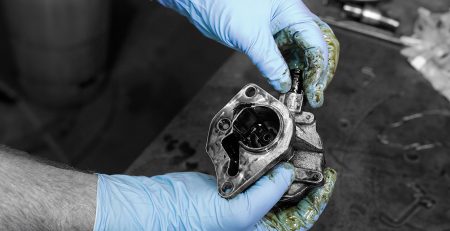
Bodyguards® GL895 Nitrile Gloves offer chemical and microbial barrier protection—widely used in laboratories and cleanrooms across Singapore.
EN1186: Food Contact Compliance
Application: Production of food, packaging of food, catering, food science labs. This standard ensures that gloves are safe for contact with food and won’t leach dangerous chemicals. Polyco food-grade latex-free nitrile gloves are EN1186 certified, making them ideal for Singapore’s large F&B and export food sectors.
EN455: Medical Use (Optional)
Application: Biomedical, pharmaceuticals, medtech, laboratory work. If you are operating in a controlled medical setting, this specification ensures gloves are:
- Free from perforations (EN455-1)
- Maintain mechanical strength (EN455-2)
- Biologically safe (EN455-3)
- Have an adequate shelf life (EN455-4)
A majority of the Polyco gloves serve as medical-grade PPE, both in cleanroom and clinical use in Singapore.
Methods for Deciphering the EN Designations on Glove Packaging
Each glove will carry symbols such as these:
- EN388: 4X43D
- The numeric values represent the material’s resistance ratings, namely abrasion (4), cut (X or 1–5), tear (4), and puncture (3). The higher the score, the better the protective function.
- You may also see pictograms for chemical, cold, or heat resistance, as appropriate to the type of glove.
- Always check this on the packaging or datasheet—especially for audits or MOM (Ministry of Manpower) compliance in Singapore.
Why Polyco Gloves Are Suitable for EN Compliance in Singapore
Polyco Healthline is a well-established UK brand with decades of experience and a strong presence in Singapore’s PPE industry. Their gloves are all rigorously tested and certified to relevant EN standards, giving you the assurance when dealing with audits, tenders, or regulatory visits.
Some key advantages:
- ✅ Full EN-certified product range
- ✅ ISO standards compliant for quality control
- ✅ Economically sound and sustainable alternatives
- ✅ Cleanroom, food, pharma, ESD, and heavy-duty specialist gloves
FAQs: EN Standards for Gloves in Singapore
Q: Are the authorities in Singapore accepting EN standards?
A: Yes. Singapore does not specifically need EN, but many industries follow EN and ISO standards as a guide. MOM tenders and audits generally accept PPE with EN standards.
Q: Are all gloves imported to EN standards?
A: No. Always request a product datasheet or EN certification. Full documentation is provided by companies like Polyco.
Q: Is it possible to mix EN388 and EN374 standards in one glove?
A: In fact, many Polyco gloves offer multi-protection—i.e., mechanical and chemical resistance in one glove model.
Final Considerations: Select Safeguards that Meet Prescribed Standards
In the demanding industrial workplaces of today, especially in Singapore’s regulated industries, skimping on PPE can be costly. By choosing Polyco gloves with the right EN standards, you not only receive safety and comfort—but also regulatory compliance, brand reputation, and work efficiency.
✅ Need EN-Certified Gloves in Singapore?
Phil Industries Pte Ltd is the authorized distributor for Polyco Healthline gloves in Singapore and Southeast Asia. Contact us for expert consultation, datasheets, or a free consultation.