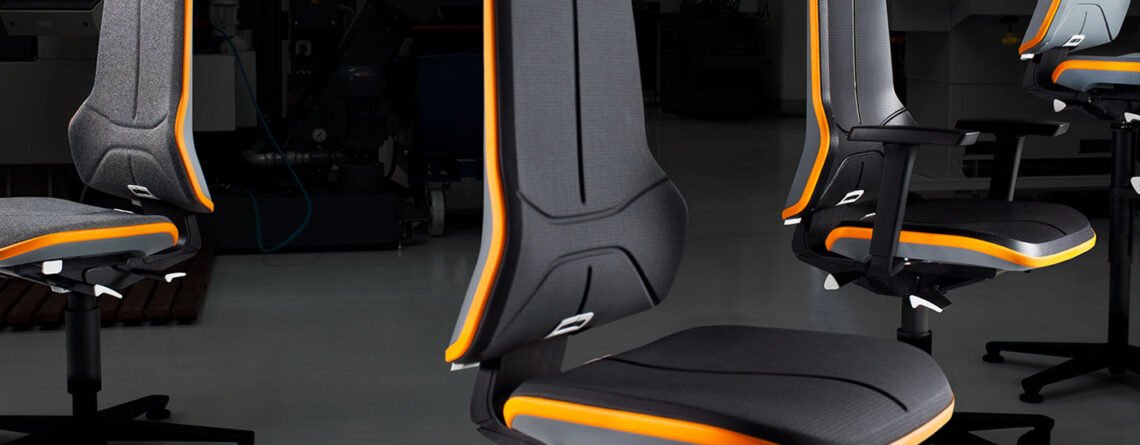
Why Ergonomic Seating Matters in Singapore’s Semiconductor Cleanrooms
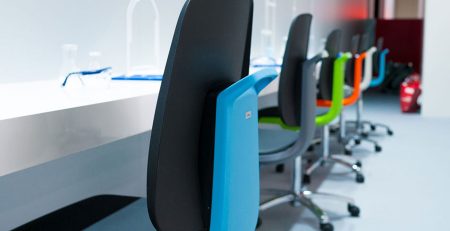
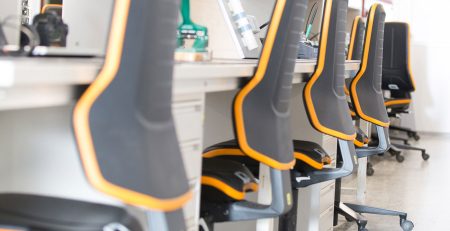
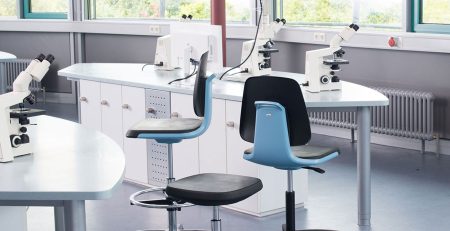
With the extremely competitive nature of the semiconductor industry, where precision, cleanliness, and efficiency are all paramount, cleanroom facilities in Singapore must operate under controlled conditions. With so much focus being given to equipment and air quality control, an often under-emphasized element is ergonomic seating—more importantly, the cleanroom chair.
To techs, engineers, and cleanroom personnel who spend many hours sitting at workstations, the chair is not just a seat—it’s a tool of performance, safety, and regulatory compliance.
The Special Problems of Cleanroom Environments
A cleanroom is a room with controlled low amounts of contaminants such as dust, airborne microbes, and chemical vapors. Semiconductor cleanrooms commonly operate at ISO 14644-1 Class 5–7 levels, i.e., all materials and furniture introduced should be subject to stringent controls of contamination.
Chairs in such an environment must respond to several key requirements:
- Clear low particle emission
- Sterilization- and disinfectant-resistant
- Non-porous and cleanable surface
- Optional ESD-safe (Electrostatic Discharge) features
Regular office or factory chairs won’t work, as their construction often includes fabrics and materials that capture particles or generate dust and static—neither of which are acceptable in semiconductor production.
Cleanroom Seating Ergonomics: Why It Matters
1. Worker Health and Comfort
Singaporean semiconductor workers generally sit for hours doing delicate, repetitive work such as die bonding, testing, or inspection. With minimal lumbar support and adjustability, there is more likelihood of musculoskeletal disorders—especially of the neck, lower back, and shoulders.
Ergonomic chairs reduce fatigue, encourage proper posture, and improve concentration. Seat height adjustment, backrest tilt, and seat tilt capabilities allow users to tailor the chair to the body type and task of the user, reducing physical discomfort.
2. Increasing Productivity and Accuracy
Happy employees are productive. Ergonomically designed seating reduces micro-movements caused by pain or discomfort—micro-movements that can easily lead to errors in the ultra-accurate setting of semiconductor manufacturing.
A stable, well-adjusted seat enables technicians to maintain their arms and eyes in a consistent relationship with microscopes, bonding machines, or testing stations—increasing accuracy and decreasing errors.
3. Minimizing Cleanroom Downtime
Inferior or inappropriate chairs might produce particles, wear out faster under repeated cleaning, or cause ESD risk. When chairs fail or compromise the cleanroom environment, cleanrooms must close for cleaning or recalibration, leading to costly downtime. Choosing an appropriate cleanroom-grade ergonomic chair eliminates these risks and enables smooth, uninterrupted workflows.
ESD Protection on Chairs: Absolutely Necessary for Semiconductors
A static discharge in the semiconductors’ cleanrooms is a silent saboteur. A minor zapping of static electricity can destroy sensitive microchips or trigger latent defects.
Cleanroom-designed chairs should be equipped with ESD-safe features, such as:
- Conductive or dissipative materials
- Grounding glides or chains
- Conductive castors or wheels
- ESD protection standard certifications
Including ESD-safe seating in the EPA (Electrostatic Protected Area), businesses can add strength to their overall static control plan.
Cleanroom Chair Features to Look for
When evaluating cleanroom chairs for your Singapore-headquartered semiconductor facility, consider the following key features:
| Feature | Why It Matters |
| Seamless, non-porous upholstery | Avoids particle buildup and easy disinfectability |
| Enclosed mechanical components | Avoids particle emission during chair movement |
| ESD-safe design | Prevents discharge of static electricity in sensitive environments |
| Adjustable backrest and seat | Offers support of ergonomic working posture |
| Cleanroom-compatible certification | Ensures ISO compliance |
Singapore-Specific Considerations
Singapore’s climate and workforce also play a role in choosing chairs:
- Humidity and Temperature: Although cleanrooms have climate control, chairs must be structurally robust under typical disinfection schedules and indoor fluctuations in humidity.
- Local Standards and Audits: Local or international organizations may audit facilities. With certified ergonomic cleanroom chairs, it is simpler to meet audits.
- Space Constraints: Cleanroom designs in Singapore are usually compact. Chairs must be able to offer mobility and ergonomic comfort without taking up unnecessary space.
Training the Workforce
The most superior ergonomic chair will not be useful if used improperly. Cleanroom operators must be trained on:
- How to adjust their chair properly
- Optimal posture habits in prolonged seated tasks
- Need to report discomfort or chair problem early
Building an ergonomics awareness culture assists firms in lowering injury incidence, keeping qualified staff, and sustaining high-quality production.
Conclusion
Ergonomic seating is not a comfort option—it’s a productivity tool and a risk management measure. In Singapore’s high-pressured semiconductor cleanroom environments, the proper cleanroom chair adds directly to quality, compliance, and staff health.
Companies that focus on ergonomics when selecting furniture for their cleanrooms not only protect their workers but also protect their precision-oriented processes from contamination, ESD hazards, and inefficiencies.