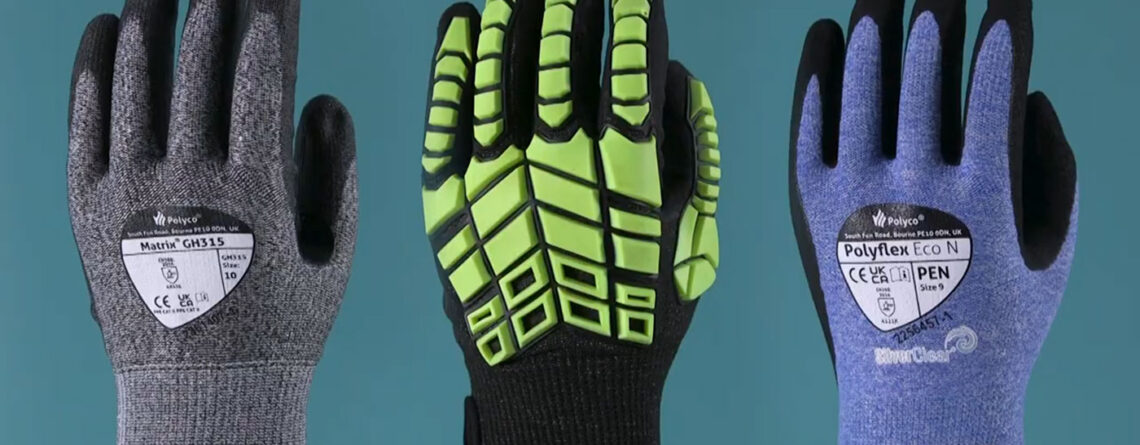
Top 3 Glove Mistakes That Singapore Workers Are Making—And How to Prevent Them
Meta Description: Reveal the top 3 mistakes Singaporean workers make when wearing safety gloves—and discover practical solutions to improve safety and compliance in your workplace.
In high-velocity workplaces like semiconductor factories, food processing factories, or aerospace workshops in Singapore, personal protective equipment (PPE) in the form of safety gloves plays a significant role in protecting workers’ hands. Even with the best of intentions, though, most workers involuntarily misuse gloves in ways that can decrease their performance or even create additional hazards.
At Phil Industries, teamwork with safety officers, engineers, and purchasing managers is the key to delivering Polyco Healthline gloves specifically designed to meet the unique needs of different industries. Based on our experience, we recognize three most common mistakes in glove use seen in Singapore, and proposed solutions for correction through better-informed glove selection and improved workplace practices.
Mistake #1: Wearing the Wrong Gloves for the Job
Gloves are not made equal. A frequent error is to use an all-purpose glove for specialized tasks, i.e., handling chemicals, performing precision work, or for controlled environments.
Why It Matters:
- Wearing a chemical-resistant glove over sharp objects could still cause cuts.
- Cleanroom conditions require gloves with low particulate shedding—regular gloves will contaminate clean areas.
- Food-grade activities demand gloves of the standard of EN1186 and allergen-free, i.e., latex.
How to Fix It:
- ✅ Conduct a glove hazard evaluation for all workstations.
- ✅ Counter glove characteristics against risks, including:
• EN388-rated gloves for cut resistance
• EN374-approved for chemical protection
• ESD-safe gloves for semiconductors/electronics
• Single-use nitrile gloves for hygiene-critical functions (e.g. Polyco Finite® range) - ✅ Ask suppliers (like Phil Industries) for recommendations on gloves by use case and compliance level.
Mistake #2: Reusing Disposable Gloves
In a bid to minimize glove usage, certain employees reuse disposable gloves—particularly in cleanrooms, laboratories, or F&B processing facilities. This good intention can pose significant hazards.
Why It Matters:
- Disposable gloves are intended for use only once. Reuse undermines barrier integrity and initiates contamination.
- In cleanroom or laboratory settings, re-gloving can spread chemicals, bacteria, or particles from one work area to another.
How to Fix It:
- ✅ Train personnel on the distinction between reusable and disposable gloves.
- ✅ Offer color-coded bins to facilitate hygienic glove disposal.
- ✅ Use cost-effective yet high-capacity disposable units such as:
• Polyco GL890 Blue Nitrile Gloves – chemical-resistant, latex-free, and durable
• Polyco GL622 Clear Vinyl Gloves – ideal for handling food
• Polyco Finite® P Indigo AF – excellent for high-volume cleanroom application - ✅ Establish clear SOPs (standard operating procedures) for glove changing, especially in multi-shift or cross-contamination settings.
Mistake #3: Lack of Compatibility and Incorrect Measurements
Most workers select gloves for convenience instead of proper fit. Too-large gloves decrease dexterity; tight gloves lead to hand fatigue or ripping. Poorly fitting gloves are more likely to be taken off during the course of work—negating their purpose altogether.
Why It Matters:
- Reduces tactile sensitivity during precision work (e.g., assembling electronics)
- Increases the risk of entanglement in operating equipment.
- Causes discomfort, leading to non-compliance
How to Fix It:
- ✅ Have various sizes of gloves available (S-XL or more)
- ✅ Conduct glove fitting sessions as a component of PPE training
- ✅ Select brands such as Polyco Healthline that provide ergonomic design on gloves along with a diverse size range.
- ✅ Direct workers to notify supervisors or EHS groups of discomfort or fit issues
Other Suggestions for Enhancing Glove Use in Your Company
- Storage Considerations: Keep gloves in a cool, dry location to preserve shelf life—especially important in Singapore’s tropical climate.
- Train Supervisors: Make sure team leaders understand glove standards like EN388, EN374, and EN455 to assist in enforcing day-to-day PPE.
- Rotate Stocks: Implement FIFO (First In, First Out) so that no glove stock will expire while in storage.
- Audit Glove Waste: Are gloves being wasted too quickly? Review usage patterns—are workers changing gloves unnecessarily, or is quality poor?
Conclusion: Appropriate Gloves. Correct Application. Optimal Outcomes.
In Singapore’s high-risk, compliance-driven manufacturing environment, minor glove use mistakes can have major consequences—from contamination and injury to costly downtime. By avoiding these top 3 mistakes and partnering with a trusted glove specialist like Phil Industries, you can protect your workers and optimize process efficiency. We offer a complete line of Polyco Healthline gloves for cleanroom, manufacturing, laboratory, and food processing applications in Singapore. Please contact our team for professional guidance on the most suitable glove solutions for your application.