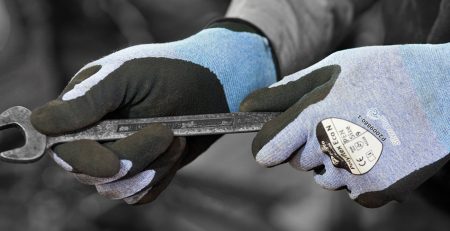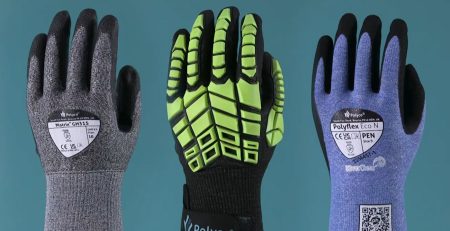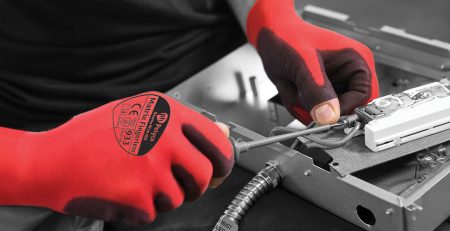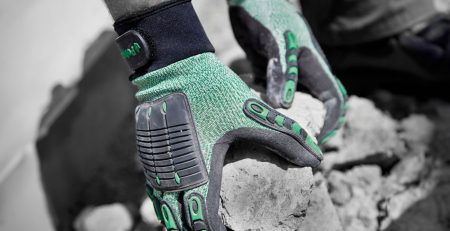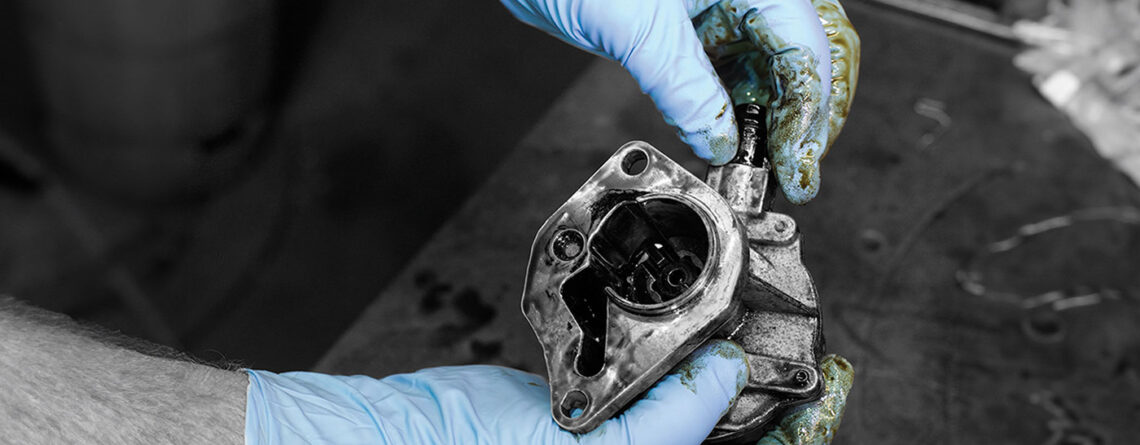
The right gloves in Singapore will help you reduce the menace of work related injuries.
Using right glove selection and safety procedures throughout sectors, find practical solutions to lower Singapore workplace accidents.
Singapore’s manufacturing, industrial, and construction industries continue to have constant worries about work related injuries. While safety training and engineering controls assist, hand injuries make up a substantial proportion of workplace accidents—often resulting from poor glove selection, irregular use, or lack of hazard knowledge.
Knowledge of the Dangers to Workers’ Hands
Hands are subject to several perils in many professional settings. These comprise:
- Sharp objects include sharp sheet metal, tooling, or broken glass.
- Needle, wire ends, or parts causing puncture hurts.
- Chemical burns from solvents, cleaning agents, and corrosives.
- thermal dangers, like burns from heat or damage from freezing storage
- in cleanroom or biomedical laboratory, microorganism or particulate particles presence.
The Significance of a Glove Selection Strategy based on Risk Assessment
Choosing the right safety glove starts with a risk evaluation. Employers need to assess assignments by:
- The material handled is identified.
- Estimating how often and for how much is in contact
- Given grip, dexterity, and sensory requirements
- Review of worker feedback on gloves performance in the past
This strategy helps to improve worker compliance by guaranteeing the gloves are not just suitable but also functional in the position.
Different Gloves and Their Uses
Glove materials and patterns differ based on planned application:
- Nitrile gloves: Resistant to oil, chemicals, and abrasion; usually seen in automotive sector and laboratories.
- Cut Resistant Gloves: Constructed of HPPE, Kevlar®, or steel fibers; worn in glass, aerospace, and metal manipulation
- Latex Gloves have good elasticity and grip but could cause allergic responses.
- Said in reverse, rubber coated gloves have better resistance to light chemicals and water and give better grip.
- Welding and heavy duty construction appropriate: cutlery gloves
Standards and safety rules specifically applicable to Singapore
Singapore’s Workplace Safety and Health Act requires employers to give employees at risk of injury enough Personal Protective Equipment (PPE), including gloves. Gloves ought to satisfy criteria of Singapore Standard (SS) or worldwide nature.
- EN 388: Mechanical risk mitigation (abrasion, cut, tear, puncture)
- EN 374. Protection by chemistry
- EN 407: Thermal resistance.
- EN 455 : Disposable medical gloves
Enforcing a Good Glove Safety Strategy
Even the finest gloves will not save labourers if not employed properly. A system of gloves would have these things:
- Training in how to put on and take off clothes.
- Guides or posters showing by use glove sorts
- Daily checks to reveal glove harm or wear
- Stock rotation helps to prevent degradation or expiration of goods.
- User feedback loops complaining of discomfort or faults
Pointers for Employees and Managers
Let employees:
- Make sure you have enough size to stop weariness and enable flexibility.
- Do not reuse throwaway gloves.
- Check gloves before every use
- Replace gloves at once if they are damaged or compromised.
Supervisors’ ought to be:
- Monitor across shifts compliance.
- During toolbox meetings, stress the value of using personal protective equipment.
- Through acknowledgement and accountability, foster a safety first mentality.
The part of glove comfort in compliance
Workers could stop using gloves if they are painful, too tight, hot, or reduce finger sensitivity. Investing in gloves that are ergonomically built raises usage level. In Singapore’s sultry climate, glove breathability and sweat resistance are especially crucial.
Examples from Within the Sector
- In electronics assembly, gloves should shield hands from little cuts produced by little components as well as static discharge. The best ones are ESD safe and cut resistant.
- Pharmaceutical manufacturing requires cleanroom compatible gloves certified for chemical and biological protection.
- Gloves in marine and offshore should be able to grip securely and safely on wet, abrasive, and oil coated surfaces.
Result:
By means of the correct combination of risk assessment, glove selection, personnel training, and compliance monitoring, Singapore’s companies may lower hand injuries. Matching safety gloves to the surroundings, job, and worker’s comfort results in less accidents, increased performance, and closer conformance with national safety standards.