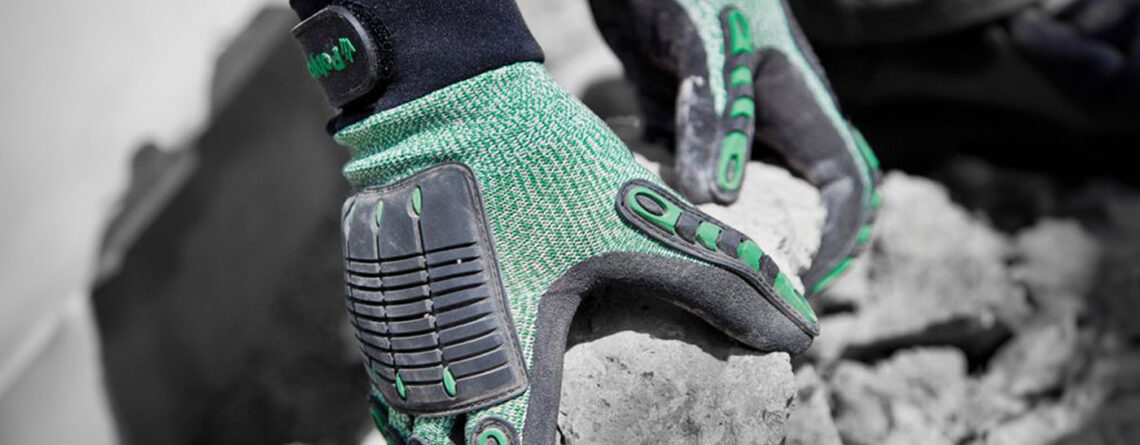
How to Select the Appropriate Manufacturing Cut Resistant Gloves for Singapore
Learn how to select the Singapore manufacturing plant’s best cut resistant gloves. Understand grades of gloves, materials, and criteria.
Introduction: Enhancing Safety, Defending Employees
In high risk, fastmoving industrial sectors such metalworking, aerospace, electronics assembly, and packaging, workers must be kept safe from correlated accidents. Investing in the proper cut resistant gloves in Singapore, where manufacturing safety standards are stringent and productivity is paramount, is not just a matter of conformity but rather of operational excellence.
Being a reputable distributor of Polyco Healthline gloves in Singapore, we provide guidelines for choosing the correct glove for your environment based on EN standards, material technology, and risk level.
Why Cut Resistant Gloves are Important in the Manufacturing Industry of Singapore
Assembly lines, warehousing, and maintenance jobs are typical for workplace accidents involving sheets metal, sharp parts, or blades. Such injuries are reportable under WSH (Workplace Safety and Health) rules in Singapore; not addressing them might result in expensive downtime or even more serious damage.
Not only does the appropriate cut resistant glove protect against injury but it also helps:
- Better performance depends on superior grasping and dexterity.
- Minimizes worker weariness
- Improves audit compliance
- Strongly promotes safety attitude
Step 1: Know the EN 388 Cut Resistance Rating.
Including Singapore, the EN 388 standard is used globally to rate mechanical protection including cut, abrasion, tear, and puncture resistance.
Here is how the cut level is ascertained:
- A1A2: Minimal cut resistance (small handling activities)
- A3 to A4: Fairly risky (light to medium assembly, sharp edges)
- A5–A6: Risks of sharp tools, glass handling, or sheet metal
- A7–A9: Very sharp dangers (meat processing, heavy manufacturing)
Tip: Always check if your glove selection lists an uptodate ISO 13997 (TDM test) rating, which is more reliable for industrial uses.
Step 2: Connect Glove to Industry and Job
✅ Electronics & Light Assembly
- Polyflex® Ultra if Polyflex® D
- Cut: A2 – A3 level
- ESD safe properties: Lightweight, agile, touch sensitive, above all
✅ Fabrication of metal; machining
- Matrix® D Grip or Dyflex® Plus Glove Kind:
- Reduced complexity: A5–A6
- Oil grasp, ANSIrated, high strength yarns
✅ Glass Management & Aerospace
- Glove style: Dyflex® Cut 5 or Matrix® NitriCut
- Cut level A5 to A7.
- Good dry/wet grip, synthetic support, strengthened palm
✅ Warehouse, Packaging, & Logistics
- Type of glove: Polyflex® Eco or Matrix® Red
- Cut level: A2 to A4.
- Characteristics: cost effective, environmentally friendly, great breathability
Step 3: Select the Proper Material
- Both comfort and protection level are influenced by material construction. Polyco uses innovative materials developed for safety without sacrificing mobility.
- HPPE (High Performance Polyethylene) has a high cut resistance, is breathable, lightweight.
- Aramid (for example, Kevlar): Heat and cut proof, but might be short on oil traction.
- High cut resistance, great strength: glass fibre compounds
- Foam nitrile coating offers excellent traction in wet or oily conditions.
🧤 Singapore Pro Tip: Choose gloves with cool touch liners to help fight heat and moisture in unairconditioned spaces.
Step 4: Over Specify Not (or Underspecify)
Certain customers in Singapore tend to over specify, selecting the maximum cut resistance level by default. This might produce:
- Employee strained (thicker gloves impair dexterity)
- Lower expenses
- Decreased output from glove weariness
- On the other hand, underspecifying might lead to unsafe working conditions or noncompliance.
- Balance is everything, so consult with a professional distributor (such as us) to evaluate the real project risks and make the best decision.
- See to worker fit and compliance.
- Always check the EN 388 markings on gloves.
- Ask your staff members for a fit test or sample pair.
- Make sure hands are free to move, especially for assembly jobs.
- For straightforward glove identification, apply color-coded systems by department or by task.
What makes one want Polyco gloves in Singapore?
- Polyco Healthline gives gloves that are regarded worldwide.
- Certified according to global criteria (EN 388, EN ISO 21420)
- Respected in several sectors.
- Created with innovation, ergonomics, and sustainability as top priorities
- Polyco offers advanced hand protection certified by real engineering whether you are in a cleanroom, on a production floor, or in heavy manufacturing.
Concluding: Reduce safety risks, not output.
In the industrial scene of Singapore, selecting the correct cut resistant glove is a strategic decision—not merely a buy. Proper technical help, EN compliant goods, and a user entered fit enable you to maintain your team safe and operating.
Require aid picking out gloves for your squad?
👉 Reach Phil Industries – Authorized Singapore Distributor of Polyco