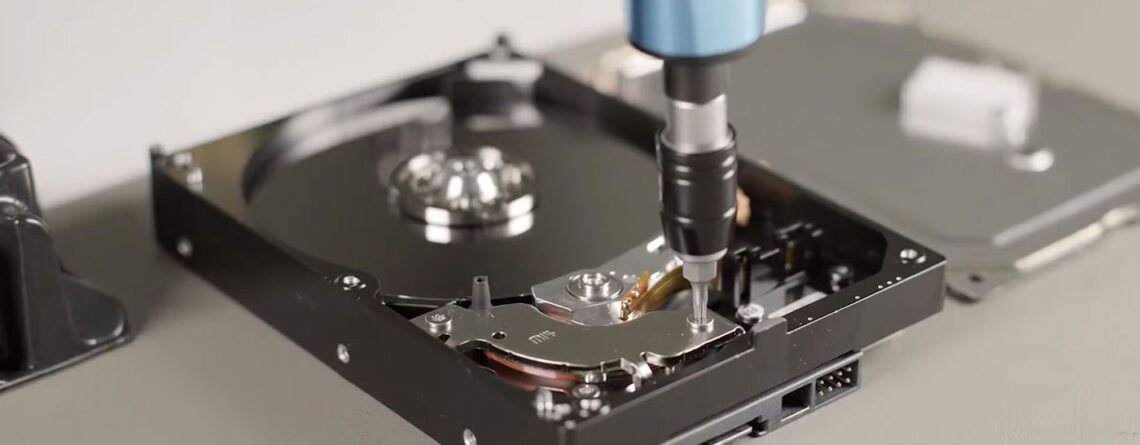
5 Tips to Sustain Your Torque Tools’ Accuracy Long-Term
When it comes to torque tools, accuracy is paramount. Being off by a few percentage points can result in a fastener that’s too loose—or too tight—leading to catastrophic failure, compromised safety, or rejected QA lots. For sectors like semiconductors, electronics, aerospace, and medical devices, torque inaccuracy is more than a quality problem—it’s a compliance risk.
Regular maintenance is the key to ensuring long-term precision, reducing downtime, and extending the lifespan of your tools. In this article, we’ll walk through 5 essential torque tool maintenance tips that every engineer, technician, and maintenance manager should know.
1. Calibrate Your Tools on a Scheduled Basis
Calibration is the most important maintenance task—and the one most often overlooked. Why Calibration Matters:
- Prevents over-torque and under-torque errors
- Complies with ISO 6789, ASME, and FDA requirements
- Ensures traceability for quality control and audits
Recommended Calibration Frequency:
- Every 5,000 cycles or every 6–12 months, whichever occurs first
- After any tool is dropped, damaged, or subjected to extreme temperatures
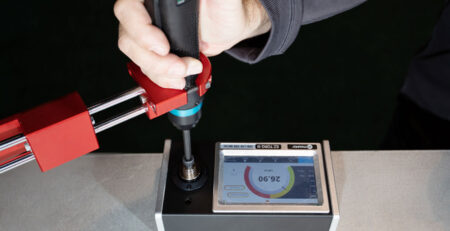
Pro Tip: Employ an in-house torque tester to confirm torque prior to each usage, particularly for high-criticality assemblies such as medical implants or aerospace.
2. Store Tools in a Clean, Controlled Environment
Environmental conditions are essential to torque consistency and tool life. Best Practices for Storage:
- Avoid humidity: May cause mechanical components and springs to corrode
- Shield from dust and ESD: Utilize anti-static cases in clean rooms and electronics laboratories
- Avoid vertical hanging of torque wrenches (particularly click-type): May cause constant tension on the internal spring
Checklist for Storage:
- Utilize padded, specialty toolboxes or foam inserts
- Prominently label calibration dates
- Store tools at room temperature (shun extremes)
Tip: Clean tools after every use—especially when used in oil, chemical, or solder environments.
3. Train Operators to Properly Use Tools
Misuse is a primary cause of premature torque tool failure. Training Must Cover:
- Correct torque application technique: Apply slow and steady pressure
- Do not “jerk” the tool
- Observe torque limits: Don’t apply tools in excess of their rated capacity
What NOT to Do:
- Do not use torque wrenches as breaker bars
- Don’t pry or drop tools
- Don’t “test” tools by overtightening
Tip: Provide refresher training every 6 months, particularly in high-turnover settings such as cleanroom assembly.
4. Make Visual and Functional Checks a Habit
Operators should conduct a quick pre-use inspection before each shift or job. Visual Checks:
- Is the tool bent, cracked, or rusted?
- Are grip areas worn or slippery?
- Are markings or digital readouts clear?
Functional Checks:
- Does the click mechanism function?
- Is the ratchet engagement smooth?
- For digital devices, is the display showing correctly and responding immediately?
- Is the torque value returning to zero properly?
✅ Record all deviations or inconsistencies for a technician to examine immediately.
5. Collaborate with a Reputable Torque Tool Service Partner
Occasionally do-it-yourself maintenance is not sufficient—particularly for high-precision digital devices or torque drivers applied in high-risk fields such as aerospace or biomedical engineering. What a Good Service Partner Provides:
- Factory-certified calibration
- Tool repair and replacement parts
- Maintenance records and calibration certificates
- Recommendations for the newest torque tool technologies
Leading suppliers will carry top brands such as:
- Mountz Torque
- Tohnichi
- Sturtevant Richmont
- Gedore
- Norbar
✅ Dealing with a Singapore-based supplier of torque tools with local support and calibration will save time, cost, and compliance risk.
6. Bonus: Care Tips for Digital Torque Tools
With the increasing smart manufacturing, many engineers are using these days’ digital torque tools to provide real-time torque monitoring and traceability. A few more care tips:
- Use OEM-approved batteries and chargers only
- Store in cushioned, anti-static cases
- Firmware updates as needed
- Zero-reset prior to each use to prevent digital drift
✅ Mountz FG Digital Torque Wrench or EPT-Series Screwdrivers are a few of the instruments that have built-in torque and angle measurement—perfect for Industry 4.0 settings.
Final Thoughts
Torque tools are similar to surgical instruments—they must be accurate, dependable, and properly maintained. In markets where every micro-component or bolt must adhere to strict safety and compliance regulations, tool maintenance isn’t a choice—it’s a requirement.
With regular calibration, storage, user training, pre-use inspection, and aligning with trusted partners, you can maximize tool life, prevent expensive failures, and provide torque consistency throughout your line.